
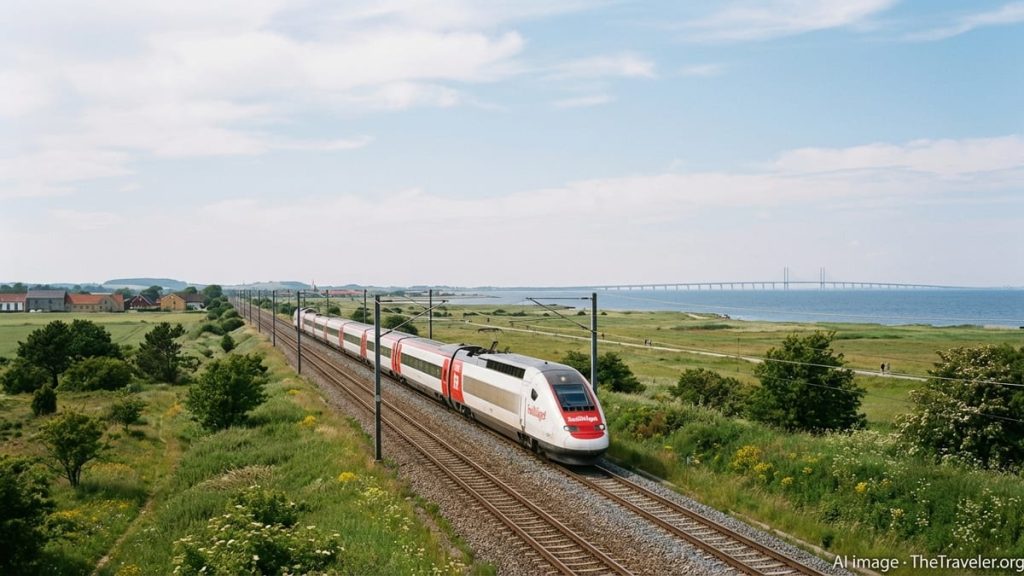
Independent Swedish operator Snälltåget is accelerating Europe’s shift to low-carbon travel with a new network of cross-border routes linking Sweden, Denmark, Germany and Norway, positioning rail as a faster, greener alternative to short-haul flights across northern Europe.
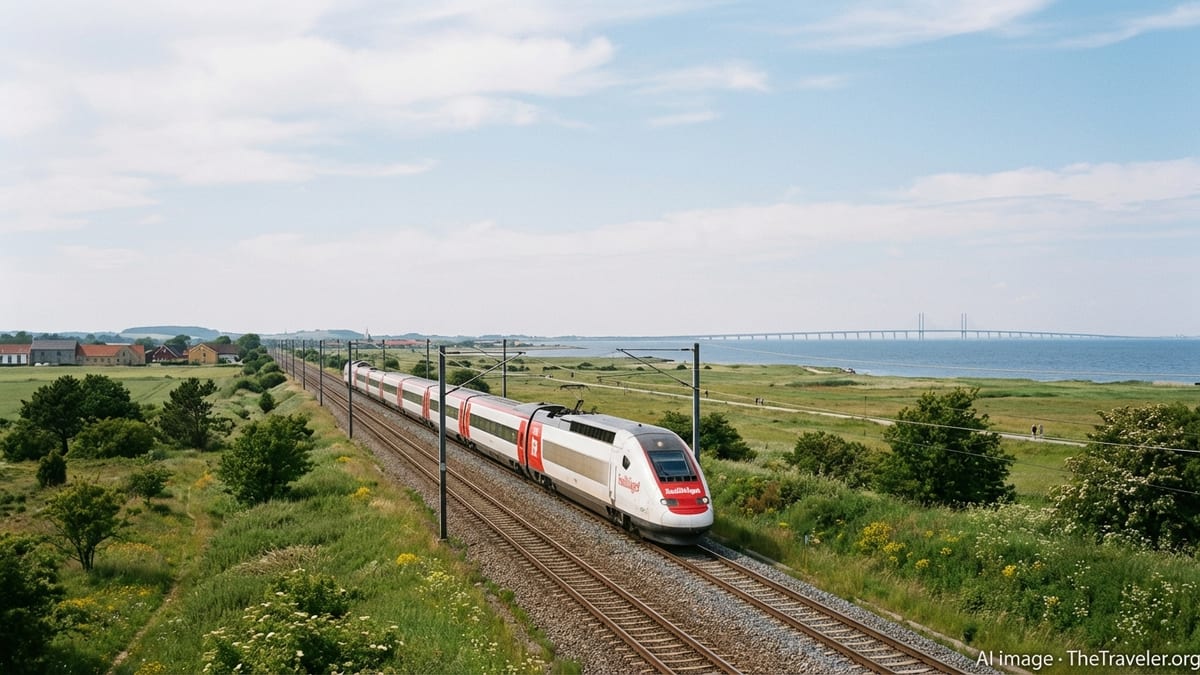
New Daytime Spine Between Stockholm, Copenhagen and Hamburg
From 4 May 2026, Snälltåget will inaugurate a daytime direct service between Stockholm, Malmö, Copenhagen and Hamburg, adding a crucial daylight link to its existing overnight trains on the same corridor. The daily open-access service is designed for passengers who want to complete journeys between Scandinavia and northern Germany within the same day while keeping their carbon footprint low.
The new route will run via key hubs including Neumünster, Padborg, Kolding, Odense, Copenhagen Syd, Malmö, Lund, Hässleholm and several intermediate Swedish cities, with an end-to-end journey time of around 11 hours. Onboard restaurant facilities and reserved seating aim to make the long trip competitive with flying once airport transfers and security queues are considered.
Snälltåget is selling tickets commercially without direct public subsidies, underscoring the role of independent operators in unlocking additional capacity and choice on Europe’s main north–south axis. By aligning departure times from both Stockholm and Hamburg in the late morning, the company is targeting leisure travellers, climate-conscious business passengers and families who prefer rail’s city-centre to city-centre convenience.
Night Trains and New Links to Norway
The daytime Hamburg link complements Snälltåget’s established night train services between Sweden, Denmark and Germany, which have grown steadily in recent years as demand for climate-friendly long-distance travel has surged. The operator has already carried well over one hundred thousand passengers on its overnight Stockholm–Malmö–Copenhagen–Hamburg–Berlin route since it was introduced, operating on a seasonal schedule aligned with peak demand.
In parallel, Snälltåget is extending its footprint further north. From 15 June 2026, the company plans to launch a new open-access daytime service between Malmö, Gothenburg and Oslo, connecting Sweden and Norway with a direct train that does not rely on national subsidies. The daily link will strengthen the busy Scandinavian corridor and, critically, allow passengers from Norway to connect in Malmö with Snälltåget’s night trains to Hamburg and Berlin.
This combination of overnight and daytime services effectively stitches Norway into a broader low-carbon network that already ties together Sweden, Denmark and Germany. For international passengers, it means that journeys such as Oslo to Hamburg or Berlin can be completed entirely by rail with a single operator, reflecting a growing appetite for seamless, flight-free itineraries.
Cross-Border Connectivity Aligned with EU Climate Goals
Snälltåget’s expansion comes as Brussels and national governments look to rail to deliver a substantial share of the emissions cuts required under the European Green Deal. The European Commission’s latest strategy for high-speed and cross-border rail calls for faster, more frequent services on key international routes, explicitly encouraging private open-access operators to complement state incumbents.
Between Denmark and Germany, new EuroCity approvals and major infrastructure projects such as the Fehmarn Belt fixed link are set to shorten journey times and free up capacity for both passenger and freight trains later this decade. As these upgrades come on stream, independent operators like Snälltåget are positioning themselves to take advantage, plugging into a more robust backbone with additional commercial services that focus on comfort and competitive fares.
In the Öresund region, where the bridge between Copenhagen and Malmö has become a vital lifeline for commuters and international travellers alike, regional authorities are already warning of looming capacity bottlenecks on the Swedish side as cross-border rail volumes grow. New services that spread demand throughout the day and offer direct long-distance options can help relieve pressure on hubs and provide more diversified travel choices.
Sweden Joins Regional Push for Sustainable Travel
Sweden’s role in this emerging rail constellation is central. With its tradition of climate leadership and a strong domestic rail culture, the country provides both the passenger base and policy environment that make open-access ventures viable. Initiatives such as the upcoming transfer of Öresund regional operations to VR Sverige and long-term proposals for additional fixed links across the strait underscore a broader commitment to rail-based mobility.
By anchoring its international network in Stockholm and Malmö, Snälltåget is effectively turning Sweden into a northern gateway for sustainable travel to and from continental Europe. Travellers can board in the Swedish capital, cross Denmark via Copenhagen and reach Germany’s north in a single seated journey, or connect to night trains that push deeper into the European mainland.
For Denmark, Germany and Norway, the growing network offers a way to capture tourism and business travel that might otherwise default to aviation. Each new train pair provides another opportunity for passengers to choose lower-emission transport without sacrificing comfort or overall travel time, particularly as rail infrastructure improvements begin to bite.
Market-Driven Trains Test a New Model for Europe
Snälltåget’s network build-out also serves as a test case for Europe’s liberalised rail market. Operating on a purely commercial basis, the company runs trains only when it sees sufficient demand, taking on the revenue risk while benefiting from the flexibility to shape timetables and onboard services around customer preferences.
Supporters argue that this market-driven approach can unlock innovation faster than traditional franchised or subsidised models, especially on cross-border routes that do not always fit neatly into national planning frameworks. By linking Sweden, Denmark, Germany and Norway with a coherent timetable and consistent onboard product, Snälltåget demonstrates how a relatively small operator can knit together multiple markets.
As the 2026 timetable change approaches, the success of these new lines will be closely watched by policymakers and rival operators across Europe. If passenger numbers meet expectations, similar open-access initiatives could follow on other corridors, accelerating the shift from planes to trains and reinforcing rail’s role at the heart of a connected, climate-conscious Europe.



