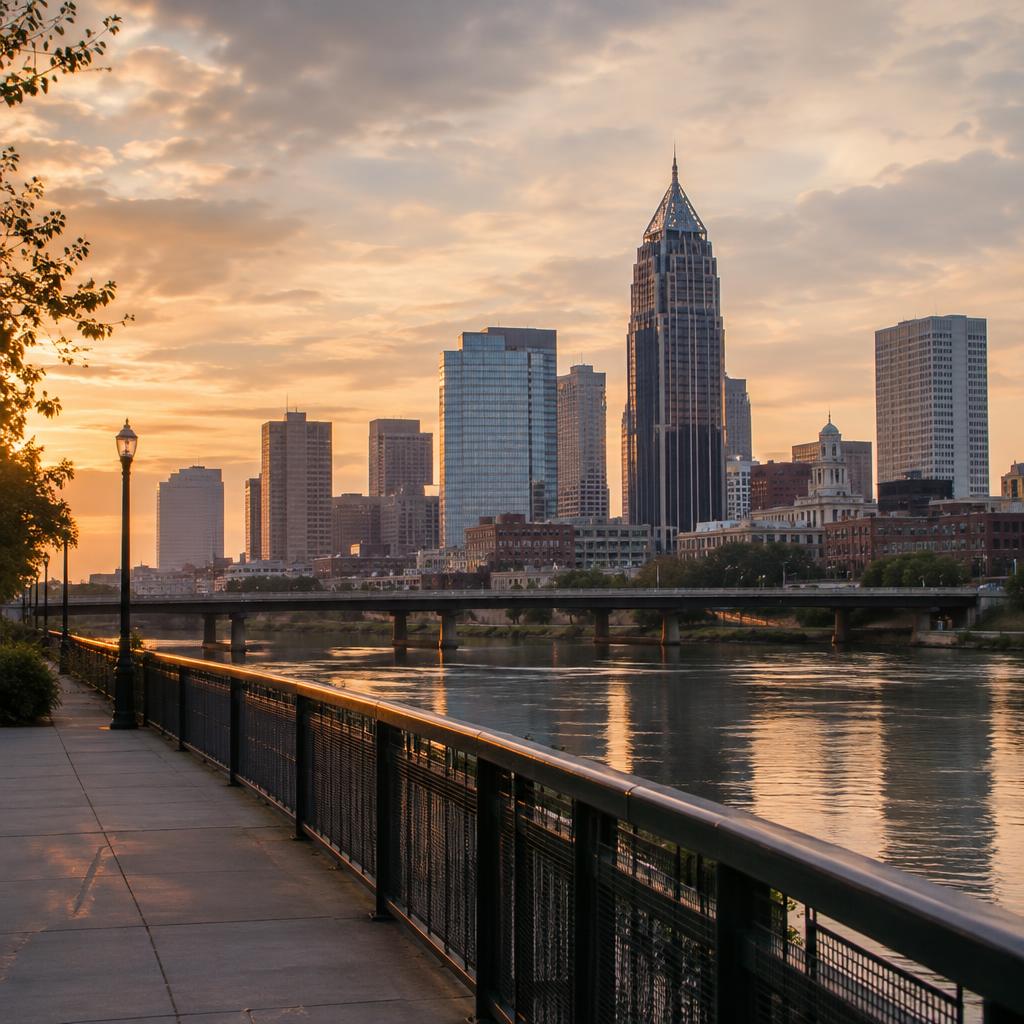
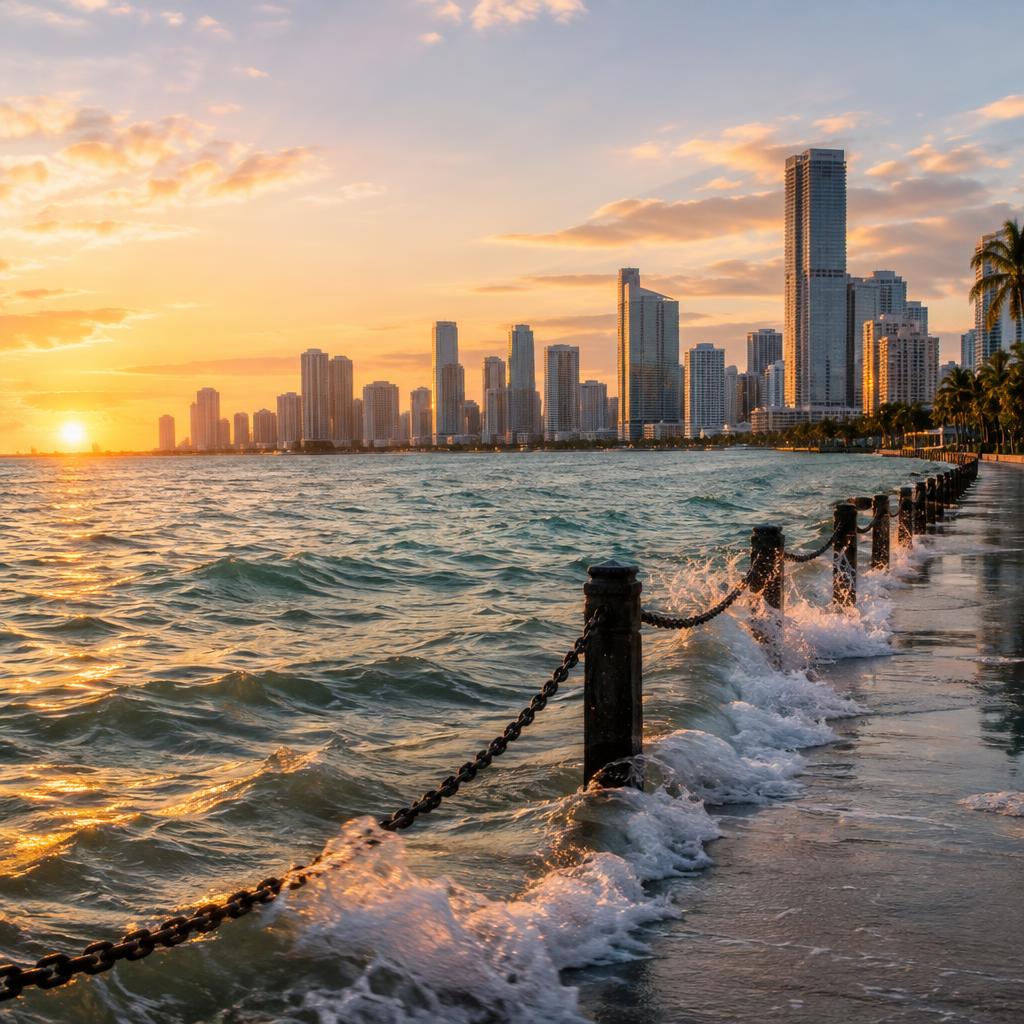
As global sea levels rise, some U.S. cities are facing an uncertain future. Many of these urban areas boast stunning waterfront views, vibrant economies, and rich histories, but they also grapple with the growing threat of flooding and storms. Each of the 15 cities highlighted here stands at a crossroads, where residents must weigh the beauty of seaside living against the harsh realities of climate change.
So, where do these vulnerable cities stand, and what does it mean for travelers? My aim is to explore how these destinations are confronting rising tides, from innovative infrastructure to local resilience, and what travelers can learn from their experiences. Let’s dive in!
Understanding Sea Level Rise and Its Impact
Before we dive deeper into each city, it’s important to understand the phenomenon of sea level rise itself. Rising sea levels are primarily driven by climate change, which causes glaciers and ice sheets to melt and thermal expansion of seawater. This increasing water level impacts coastal cities in several ways:
- Increased Flooding: As the ocean rises, areas that were once safe become vulnerable during storms or even high tides.
- Infrastructure Stress: Streets, sewers, and buildings that were designed for a different water level are increasingly put under pressure.
- Economic Risks: Coastal cities often rely on tourism and local industries that can suffer from flooding, leading to economic downturns.
Each city on this list has its unique challenges and responses to these realities, making them not just places of beauty, but also of resilience and innovation.
15. Mobile, Alabama
Located at the head of Mobile Bay, this city faces dire risks from storm surges, especially during hurricane season. With a mix of urban development and geographic vulnerability, Mobile has seen flood insurance claims soar over the years as it grapples with rising tides.
What Travelers Should Know
Mobile is known for its rich history, Mardi Gras celebrations, and cuisine. Travelers should pay attention to seasonal weather patterns and hurricane forecasts when planning their visit. Explore the city’s history through its museums and enjoy local seafood while being mindful of how climate change impacts this vibrant community.
14. Wilmington, North Carolina
Wilmington’s unique geography leaves it vulnerable to simultaneous flooding from the Atlantic Ocean and the Cape Fear River. Heavy rainfall from hurricanes, like Florence in 2018, left the city submerged for days.
Travel Tips
Wilmington offers beautiful coastal scenery and historic architecture. Travelers can enjoy the local riverfront and beaches, but should be vigilant about weather alerts during the storm season. Discover the stories of resilience from the local communities, many of which have adapted wonderfully to their challenges.
13. St. Petersburg, Florida
Sitting on a peninsula, St. Petersburg faces flooding risks from both Tampa Bay and the Gulf of Mexico. After Hurricane Helene in 2024, the city witnessed firsthand how vulnerable its storms make it.
Local Attractions
St. Petersburg is famous for its arts scene and waterfront parks. Visitors can explore local galleries, savor fresh seafood, and participate in outdoor activities while keeping an eye on how the city is constantly innovating its climate response strategies.
12. Galveston, Texas
Historically marked by catastrophe, Galveston suffered devastating losses in the 1900 hurricane. In response, a seawall was constructed, yet it faces new challenges as sea levels rise against its base.
Experiencing Galveston
This charming island is rich in history and has become a popular tourist destination. While enjoying the beautiful beaches and historic architecture, be aware of ongoing climate adaptation efforts, as the city aims to manage future sea level threats.
11. Baltimore, Maryland
While Baltimore navigates the challenges of living on the Chesapeake Bay, it’s unique in that flooding can be exacerbated by local land subsidence. Frequent flooding now affects its iconic Inner Harbor area.
What to Explore
Travelers can dive into Baltimore’s vibrant arts scene and historical attractions like Fort McHenry. Staying informed on weather trends will enrich your experience as you explore this dynamic city.
10. Tampa, Florida
Tampa is another Floridian city grappling with rising tides. The recent Hurricane Helene showed that the storm surge could inflict damage in ways the city had not previously experienced.
Making the Most of Tampa
Tampa offers thrilling experiences, from its theme parks to the beautiful waterfront. While tourists enjoy the scenic views, they should be mindful of local resilience efforts as the city continues to adapt and prepare for a changing climate.
9. Atlantic City, New Jersey
Famous for its casinos and boardwalk, Atlantic City faced a harsh lesson in vulnerability when Superstorm Sandy flooded many of its key areas back in 2012.
Enjoying Atlantic City Responsibly
When visiting, take the opportunity to learn about the recovery efforts in the wake of Sandy. Beyond the casinos, the area offers stunning views and rich history, but travelers should remain aware of local weather conditions during their stay.
8. Annapolis, Maryland
Annapolis has been experiencing “sunny day flooding,” where high tides cause flooding even when the weather is clear. This persistent issue is challenging for local businesses and residents.
Best Practices for Travelers
Explore Annapolis’ charming streets and renowned maritime history. However, travelers ought to check tidal schedules, especially in historic areas, to avoid surprises during their visit.
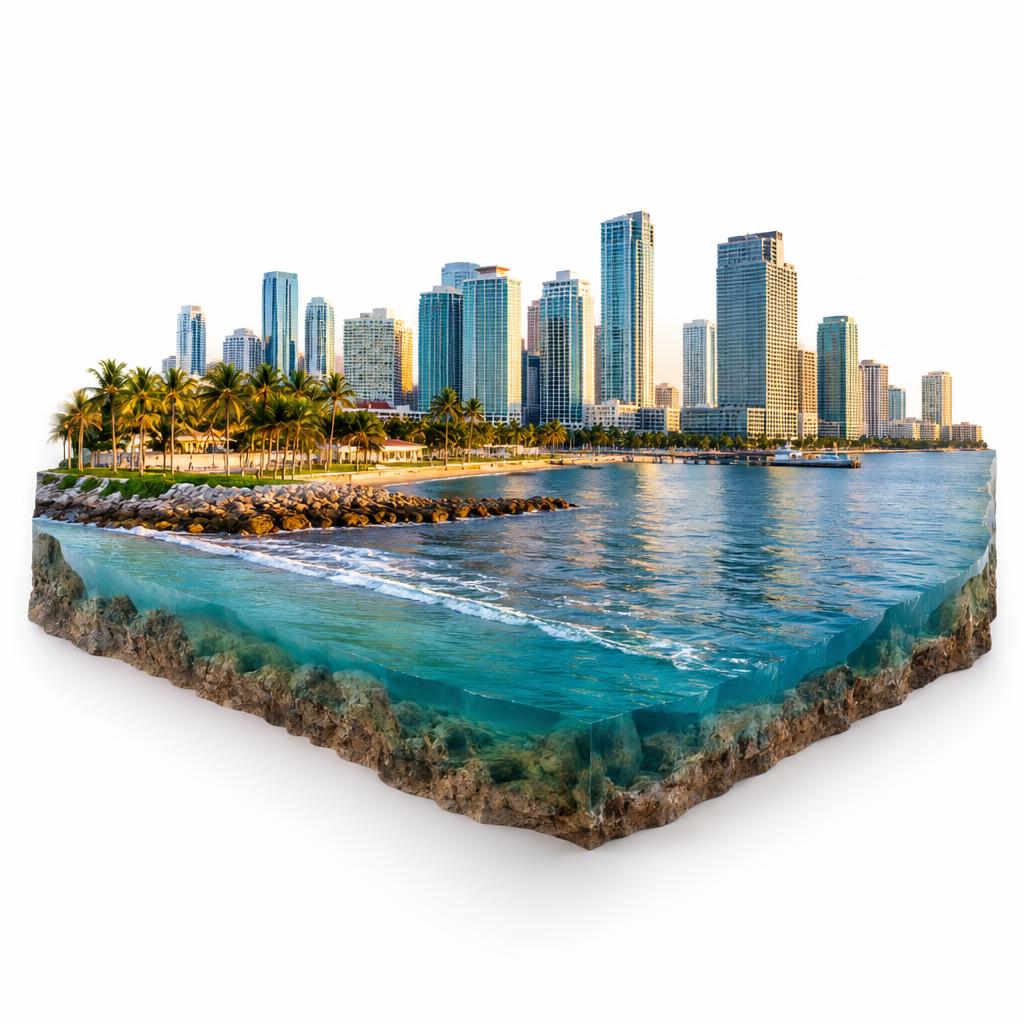
7. Boston, Massachusetts
Boston’s mixture of historic development over tidal flats and recent planning initiatives has positioned it as a frontrunner in addressing climate adaptation, although significant challenges remain.
Exploring Boston
Rich in history and culture, Boston provides plenty for travelers to enjoy. The city is tackling climate change head-on, making it an interesting and relevant place for tourists to visit while considering environmental impacts.
6. New York City, New York
Superstorm Sandy set a notable precedent for New York City’s vulnerability. Since then, substantial discussions have ensued over protective measures, but the city faces formidable challenges with 520 miles of coastline.
Things to Do in NYC
Your visit to New York City should encompass timeless attractions, but a commitment to learning about ongoing climate action will enhance your trip. Engage with local programs addressing climate change while experiencing the city’s vibrant life.
5. Charleston, South Carolina
Charleston now regularly faces flooding from high tides, drawing attention to the necessity for resilience projects, particularly in the historic district which is vital to the city’s charm.
Visitor Insights
Travel to Charleston to enjoy its beautiful architecture and rich history. Awareness of flood risks helps travelers appreciate the delicate balance between preserving history and adapting to future challenges.
4. Virginia Beach, Virginia
This vibrant coastal city confronts rising sea levels as the land itself is subsiding. The city has already begun serious planning for long-term resilience measures.
Travel Recommendations
Enjoy the beaches and the local culture of Virginia Beach, but take note of how this community is working to protect its future. Engaging with local efforts can enhance your travel experience.
3. Norfolk, Virginia
Home to the world’s largest naval base, Norfolk faces unique flooding challenges that tie in with national security considerations, adding layers of complexity to the local situation.
The Norfolk Experience
As a visitor, you can explore the naval history of the area, but it’s worth combining your trip with an understanding of how the city is adapting to climate challenges.
2. New Orleans, Louisiana
The Big Easy sits prominently below sea level, reliant on its levee system. The failures during Hurricane Katrina serve as a stark reminder of the risks this city continually faces.
Visiting New Orleans Wisely
Visit New Orleans for its culture and cuisine. Be educated about the ongoing adaptations in place to combat rising sea levels and the unique challenges they present.
1. Miami, Florida
Miami is on the frontline of sea level rise, built on porous limestone that allows seawater to seep through. The city is already implementing innovative strategies to adapt to its precarious future.
Miami Travel Tips
Cruise along the stunning Miami coastline and immerse yourself in its vibrant culture. Make sure to engage with local initiatives aimed at combating climate change so you leave with a deeper understanding of this stunning yet vulnerable region.
Conclusion: Navigating Our Future
The challenges that rising sea levels bring to these coastal cities remind us of the intricate relationship between nature and urban development. As avid travelers and responsible consumers, we have a role to play in supporting sustainable practices that respect both our environment and the communities we visit.
By understanding the issues at stake and engaging with local resilience programs, we can enjoy the beauty these cities offer while helping to protect them for future generations. Whether you are drawn to history, culture, or nature, these coastal cities are more than just destinations—they are lessons in adaptation and resilience.
Source: Touropia. Adapted with AI assistance. Illustrations are AI-generated.