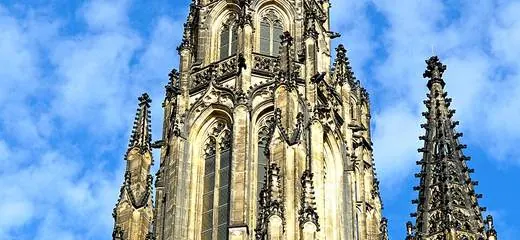
The Czech Republic—also called Czechia—offers one of central Europe’s most appealing combinations of historic cities, efficient public transport, capable healthcare and access to the rest of the continent. Retiring in the Czech Republic can mean morning coffee beneath Prague’s Gothic towers, a quieter apartment in elegant Olomouc, wine-country weekends in South Moravia or a well-connected base in Brno.
Is the Czech Republic a Good Place to Retire?
For the right retiree, it can be excellent. Czech cities are compact, public transportation is unusually useful, and ordinary life does not require a car. Cafés, theaters, parks, historic squares and regional rail make it easy to remain active. The country sits within easy reach of Germany, Austria, Poland, Slovakia and Hungary, turning retirement into a genuinely European lifestyle.
The tradeoffs are equally real. Czech is difficult for many English speakers. Winters can feel long and gray. Prague housing costs have risen. Administrative processes can be document-heavy, and the absence of a straightforward retirement visa is a decisive obstacle for some non-EU applicants.
Reasons retirees choose Czechia
- Excellent urban public transportation
- Strong central European location
- Walkable historic cities
- Capable hospitals and specialists
- Safe daily environment
- Rich music, architecture and café culture
Reasons it may not fit
- No general non-EU retirement visa
- Czech-language administration
- Cold, darker winters
- Prague housing can be expensive
- Public insurance eligibility is status-dependent
- Residency requires careful planning
Czech Visas and Residency for Retirees
Immigration is the first filter, not the final detail. The correct pathway depends on citizenship, family relationships and what you will legally do in the country. Requirements change, and applications are evidence-driven. Use the Ministry of the Interior’s official Information Portal for Foreigners and the responsible Czech embassy or consulate.
EU, EEA and Swiss citizens
EU citizens enjoy freedom of movement and do not need the same visa pathway as third-country nationals. Residence reporting and evidence of health coverage or resources may still matter. A Czech registration certificate can simplify dealings with banks, property managers and other authorities even where the certificate is not strictly mandatory.
Americans and other visa-exempt visitors
A visa-exempt passport normally permits short Schengen visits, generally up to 90 days in any rolling 180-day period. This is not a residence strategy. Time in France, Germany, Italy and other Schengen states counts against the same allowance. Repeated border runs do not reset the clock.
Long-term visa or residence purposes
For stays beyond 90 days, non-EU citizens usually need a long-term visa or residence permit supported by a recognized purpose. Possibilities may include family reunification, employment, business, study or another accepted purpose. Each has different evidence and continuing obligations. Passive retirement income by itself is not normally a standalone category.
A typical application may require a valid passport, application form, proof of accommodation, evidence of funds, photographs, criminal-record documents and health insurance. Foreign records may need apostilles or superlegalization and official Czech translations. Apply according to the responsible embassy’s current jurisdiction and appointment rules.
Family reunification and partners
People joining Czech or EU family members, or certain foreign residents, may have a family-based path. Eligibility, document standards and work rights vary. Obtain civil-status documents early because apostilles and translations can take time.
Permanent residence
Many third-country residents look toward permanent residence after five years of continuous qualifying residence. Continuity, absence limits and the residence categories counted are important. Language or integration requirements may apply. Never assume tourist time counts.
Cost of Living in the Czech Republic
Czechia is no longer a bargain secret, particularly in central Prague, but it can remain competitive against major western European capitals. Housing is the largest variable. A retiree in Prague’s most desirable districts may spend dramatically more than someone in Olomouc, Plzeň or a smaller Moravian city.
| Expense | Planning range | What changes the price |
|---|---|---|
| One-bedroom rent | CZK 14,000–35,000+ | Prague center versus regional city; furnished versus local lease |
| Utilities and internet | CZK 4,000–8,000+ | Heating system, apartment size and winter consumption |
| Groceries | CZK 6,000–12,000 per person | Imported foods, wine and shopping habits |
| Public transport | CZK 300–1,000 monthly | City, age discounts and pass duration |
| Private health coverage | Highly individual | Age, medical history, exclusions and visa compliance |
| Restaurant meal | CZK 180–500+ | Local pub, tourist district or fine dining |
These are planning ranges, not promises. Exchange rates and housing markets move. Build your budget in koruna, add travel home, insurance, translation, immigration, tax advice and an emergency reserve, then stress-test it against a weaker home currency.
Best Places to Retire in the Czech Republic
Prague
Prague provides the largest international community, major hospitals, direct flights, extensive cultural programming and the easiest English-language environment. It is ideal for retirees who want a capital-city lifestyle without relying on a car. The disadvantages are price, tourism and competition for good long-term rentals.
Brno
The country’s second city has universities, technology companies, hospitals and a lively cultural scene at a more manageable scale. Vienna, Bratislava and the South Moravian wine region are within easy reach. Brno is often the strongest alternative for retirees who want serious services without Prague’s intensity.
Olomouc
Olomouc is compact, handsome and university-oriented, with an impressive historic core. It can suit retirees who value walkability and lower housing costs. English access is narrower than in Prague, making Czech study more important.
Plzeň
Plzeň combines an industrial economy, good transport, cultural amenities and fast connections toward Prague and Germany. It is practical rather than postcard-perfect in every neighborhood, which can translate into better housing value.
České Budějovice and South Bohemia
This regional capital offers services, rail connections and access to Český Krumlov, lakes and countryside. It is a strong choice for people who want a smaller city while retaining hospitals and shopping.
Karlovy Vary
The historic spa town is attractive to retirees drawn to wellness culture and elegant architecture. Verify year-round community life, specialist care, hills and winter conditions before choosing it mainly from a summer visit.
South Moravia
Towns around Brno appeal to wine lovers, cyclists and those seeking village life. A car and stronger Czech skills may become more important outside the urban transit network.
Healthcare and Insurance
Czech healthcare includes public insurance funds, public and private providers, teaching hospitals and specialist networks. Clinical quality is generally strong, but foreigners must understand which system they actually belong to.
People with permanent residence and qualifying employees commonly enter the public insurance system. Other foreigners—including some long-term visa holders—may need comprehensive commercial insurance that satisfies immigration rules. A policy accepted for a visa may still contain limits, waiting periods, exclusions or provider restrictions that matter greatly to an older person.
- Ask whether pre-existing conditions are covered or excluded.
- Check prescription, cancer, cardiac and rehabilitation benefits.
- Confirm direct billing and English-speaking support.
- Understand emergency care outside the Czech Republic.
- Consider evacuation or repatriation separately.
Prague and Brno offer the broadest choice of specialists and English-capable private clinics. Smaller cities can provide good routine care but may require travel for complex treatment.
Taxes, Pensions and Financial Planning
Tax residency is separate from immigration residency. A person may become Czech tax resident by maintaining a permanent home or spending 183 days in the country during a calendar year. Residents are generally taxed on worldwide income, subject to domestic rules and tax treaties.
For Americans, the U.S. continues to tax citizens on worldwide income. The U.S.–Czech tax treaty may help allocate taxing rights and reduce double taxation, but different categories—Social Security, government-service pensions, private pensions, IRA distributions, dividends and capital gains—can receive different treatment.
Before moving, obtain a written cross-border review covering pension withdrawals, Roth accounts, brokerage funds, foreign tax credits, state domicile, FBAR and FATCA reporting, estate planning and currency transfers. Do not assume an account’s U.S. tax advantage is automatically recognized in Czechia.
Renting and Buying Property
Foreigners can generally purchase Czech residential property, but property ownership has no immigration effect. Rent first. A winter rental reveals heating performance, noise, daylight, stairs, transit and the actual time needed to reach doctors and groceries.
The Czech cadastre records ownership and encumbrances. Independent legal counsel should check title, liens, easements, building approvals, floor-area descriptions, cooperative versus personal ownership and homeowners’ association finances. Use a secure escrow structure and do not transfer the purchase price directly merely because an agent says the transaction is standard.
Apartment listings may use floor and room terminology differently from your home country. Historic buildings may lack elevators or step-free access. Ask about roof, façade, pipes, reserve funds and planned assessments.
Daily Life: Language, Transport and Climate
Public transport is one of Czech retirement’s strongest advantages. Prague and Brno combine trams, buses and rail, and regional trains make day trips simple. Many seniors can live independently without driving.
Czech language skills matter more outside international districts. Learn greetings, numbers, medical phrases and housing vocabulary before arrival. A professional interpreter is worthwhile for immigration, legal matters and complex medical appointments.
Expect four seasons. Summer heat waves occur, while winter brings cold, limited daylight and occasional snow or ice. Inspect insulation, ventilation and heating bills. Air-conditioning is not universal in older apartments.
A 12-Month Czech Retirement Plan
- 12–10 months: Determine whether you have a legitimate residence pathway; compare it with other European countries.
- 10–8 months: Consult Czech immigration and cross-border tax professionals; inventory civil and criminal-record documents.
- 8–6 months: Make a scouting trip to Prague plus at least two regional cities. Test neighborhoods by tram, not only by taxi.
- 6–4 months: Secure required accommodation evidence, translations, apostilles, insurance and financial documentation.
- 4–2 months: File through the responsible authority and avoid irreversible shipping or property commitments before approval.
- Arrival: Complete required registration, establish phone and banking arrangements, and learn your local clinic and emergency routes.
- First year: Track Schengen travel, residence continuity, tax days, insurance renewals and permit deadlines.
Common Mistakes to Avoid
- Assuming pension income creates a retirement visa.
- Buying property before confirming residence eligibility.
- Counting only Czech days rather than all Schengen days.
- Using a nominal business with no genuine activity.
- Choosing insurance solely because it satisfies a visa checklist.
- Underestimating winter heating and Prague rent.
- Expecting English in every clinic or government office.
- Ignoring U.S. and Czech tax interaction.
- Signing a lease without understanding service charges and termination rules.
Frequently Asked Questions
Does the Czech Republic offer a retirement visa?
No dedicated retirement or pensioner visa exists for most non-EU citizens. A retiree generally needs another recognized purpose for a long-term visa or residence permit, such as family reunification, business, study, employment or another purpose accepted by the authorities.
Can an American retire in the Czech Republic?
Yes, but an American cannot normally qualify merely by showing Social Security or pension income. Americans may visit within the Schengen 90-days-in-180 rule, but long-term residence requires an appropriate Czech immigration category.
How long can a U.S. citizen stay without a visa?
For ordinary tourism, U.S. citizens generally may remain in the Schengen Area for up to 90 days in any rolling 180-day period. Time spent in other Schengen countries counts toward the same limit.
Can EU citizens retire in Czechia?
EU citizens benefit from freedom of movement and have a much easier path. They can live in Czechia if they meet applicable conditions and should complete required residence reporting; a registration certificate may be useful even where optional.
Does buying a home provide residency?
No. Owning an apartment or house does not create a visa, residence permit or right to remain beyond the immigration period otherwise available to you.
Can foreigners buy Czech real estate?
Foreign individuals can generally purchase residential real estate, but legal review remains essential. Buyers should verify title, easements, debts, building approvals, association obligations and the cadastral filing process.
What currency is used?
The Czech koruna, abbreviated CZK or Kč, is the national currency. The Czech Republic is an EU member but has not adopted the euro.
Is Prague affordable for retirees?
Prague can offer value compared with some western European capitals, but it is the country’s most expensive housing market. Retirees seeking more space and lower rent often compare Brno, Olomouc, Plzeň or smaller regional cities.
Is healthcare good?
Czech healthcare is widely accessible and clinically capable, particularly in larger cities. The practical question is whether you qualify for public insurance or must maintain comprehensive commercial coverage.
Will Medicare cover me?
Original Medicare generally does not pay for routine healthcare received in the Czech Republic. U.S. retirees should plan for Czech-compliant coverage, travel contingencies and medical evacuation or repatriation if desired.
Do I need Czech health insurance for a visa?
Third-country nationals commonly must document travel or comprehensive health insurance meeting Czech requirements. The required scope and timing depend on the visa or residence category, so use the current embassy checklist.
When might I become a Czech tax resident?
Tax residence can arise when you have a permanent home in Czechia or spend at least 183 days there during a calendar year. Treaty rules may resolve dual-residence conflicts.
Is foreign pension income taxable?
Potentially. Treatment depends on Czech domestic law, the pension type and an applicable tax treaty. U.S. Social Security, government pensions and private retirement distributions can be treated differently.
Do Americans still file U.S. taxes?
Generally yes. U.S. citizens normally continue filing federal tax returns on worldwide income while abroad and may also have foreign-account reporting duties. Treaty relief does not eliminate filing automatically.
Is English widely spoken?
English is common among younger people and in international parts of Prague and Brno. It is less dependable in small towns, medical offices and government administration, where Czech support can be valuable.
Is Czech difficult to learn?
Czech is a Slavic language with grammatical cases and can be challenging for English speakers. Basic Czech nevertheless improves daily life, neighbor relationships and administrative independence.
Is the Czech Republic safe?
It is generally considered a safe destination with low levels of violent crime. Normal precautions remain appropriate for pickpocketing, tourist scams, traffic and nightlife areas.
Can I live without a car?
Yes in Prague, Brno and many regional cities. Public transport is a major retirement advantage. A car becomes more useful in villages and for countryside access.
Which city is best for retirement?
Prague offers the deepest services; Brno balances city life and a smaller scale; Olomouc is attractive and walkable; Plzeň has strong transport links; South Moravia appeals to wine and countryside lovers.
What is winter like?
Winters are cold, gray and occasionally snowy, with short daylight. Summers can be warm or hot. Heating quality, insulation and neighborhood walkability matter when selecting a home.
Should I rent before buying?
Usually. Renting through at least one winter helps you test heating costs, noise, transit, healthcare access and how you feel about the local language environment.
How are property purchases registered?
Ownership is recorded in the Czech Land Registry, or cadastre. A lawyer should review the contract and title and structure safe payment, often with attorney, notarial or bank escrow.
Is there property acquisition tax?
The former real-estate acquisition tax was abolished. Owners still face annual property tax and may encounter income or capital-gains tax consequences, legal fees and association charges.
Can I bring my pet?
Usually, subject to EU animal-health rules including identification, rabies vaccination and the appropriate health certificate or pet passport. Begin planning early and confirm the current rules for your origin country.
Can my spouse join me?
Possibly through EU family rights or a family-reunification route, depending on nationality and the principal resident’s status. Marriage alone does not make all documentary requirements disappear.
Can retirees work or run a business?
Only when their immigration status permits it. A business residence purpose requires genuine, documented activity and compliance; it should not be treated as a paper workaround for retirement.
How long until permanent residence?
Many non-EU residents consider permanent residence after five years of continuous qualifying residence, but absences, permit type and continuity rules matter. EU citizens and family members have their own framework.
Are there retirement communities?
Senior residences and assisted-care services exist, but the model may differ from U.S. continuing-care communities. Access, language, waiting lists and funding should be investigated before a move.
What emergency number should I know?
112 is the general EU emergency number. Czech-specific numbers include 155 for ambulance, 158 for police and 150 for fire.
What is the best first step?
Identify a lawful long-term residence category before signing a lease or buying property. Then obtain current checklists from the Czech embassy or Ministry of the Interior portal and coordinate tax and insurance advice.
Official and Practical Resources
- Information Portal for Foreigners
- Czech Ministry of Foreign Affairs—Entry and Residence
- Czech Financial Administration
- Czech Land Surveying and Cadastral Office
- Czech Public Administration Portal
Explore More European Retirement Guides
Compare Every Region
Review all completed country guides and compare residency, costs, healthcare and lifestyle.
All Retirement Guides by CountryTags: Czech Republic retirement, retire in Czech Republic, retiring in Czechia, Czech expat guide, Czech long-term visa, living in Prague, retiring in Brno, Czech healthcare, Czech taxes, Czech cost of living, Czech property, retirement in Europe, retirement abroad