Retiring in Argentina gives you something few retirement destinations can match: a sophisticated capital, world-famous wine country, Atlantic beaches, subtropical regions and Patagonia—all inside one country.
Argentina also has a specific temporary residence category for foreign pensioners. That makes it especially interesting for retirees receiving Social Security, government pensions or qualifying private retirement income.
In This Argentina Retirement Guide
Why Retire in Argentina?
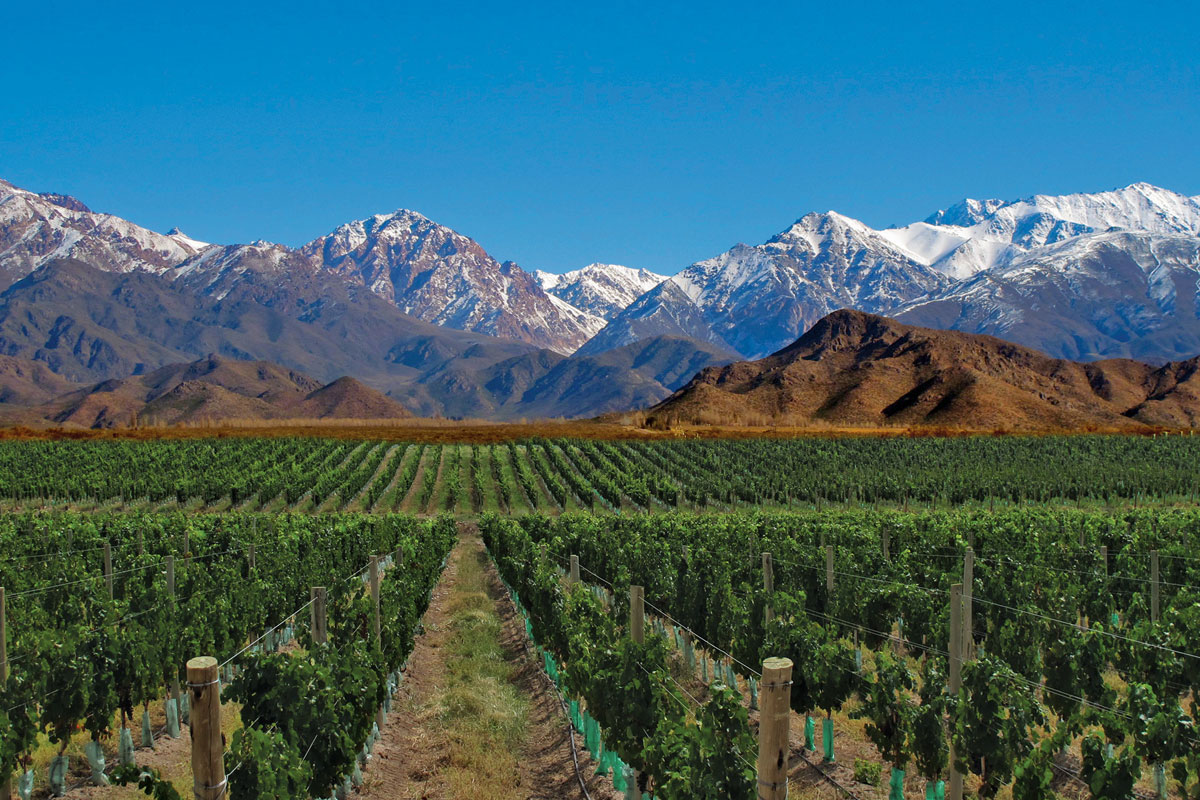
Argentina can feel surprisingly familiar to retirees who enjoy European urban life. Buenos Aires offers cafés, theaters, parks, restaurants and distinctive neighborhoods. Mendoza provides a slower wine-country lifestyle beneath the Andes, while Córdoba combines a major city with access to attractive mountain communities.
Then there is Patagonia. Bariloche offers lakes, forests and snow-covered mountains—a completely different retirement proposition from Buenos Aires or Mendoza.
Argentina's Pensionado Residence
Argentina's National Migration Directorate provides temporary residence specifically for foreigners who receive a regular and permanent pension from a government, international organization or private company for services performed abroad.
The current requirement is a pension equal to or greater than five times Argentina's Salario Mínimo Vital y Móvil (minimum living and mobile wage). Because that wage changes, do not rely on a fixed dollar figure from an older retirement article.
Applicants also need identity documentation, proof of legal entry and domicile, Argentine criminal-record processing and qualifying criminal-record certificates from countries where they lived for more than one year during the previous three years, where applicable.
What if your income is from investments rather than a pension?
Argentina also has a rentista temporary-residence category for people supporting themselves with qualifying foreign-source income generated by assets such as investments, real estate or company interests. Personal employment income is not included in that category. The current income requirement is also at least five minimum wages.
Cost of Living in Argentina for Retirees
Argentina can offer excellent value, but it is a difficult country for static cost-of-living figures because inflation, exchange rates and prices can change quickly. Treat these dollar-equivalent figures as planning ranges and update them immediately before a scouting trip.
| Monthly Expense | Careful Lifestyle | Comfortable | Higher-End |
|---|---|---|---|
| Housing | US$450–700 | US$700–1,200 | US$1,400–2,500+ |
| Utilities/internet/mobile | $100–160 | $140–220 | $250+ |
| Groceries | $250–350 | $350–500 | $600+ |
| Dining/cafés | $120–220 | $250–450 | $600+ |
| Transportation | $50–120 | $100–220 | $300+ |
| Healthcare/insurance | $120–250 | $200–400 | $500+ |
| Leisure/misc. | $180–300 | $300–500 | $700+ |
| Planning Total | $1,270–2,100 | $2,040–3,490 | $4,350–5,950+ |
The major budgeting lesson is not to assume today's exchange-rate advantage will remain unchanged throughout a 20-year retirement.
Best Places to Retire in Argentina
| Location | Best For | Watch For |
|---|---|---|
| Buenos Aires | Culture, healthcare, walkability, restaurants | Big-city pace and costs |
| Mendoza | Wine, sunshine, Andes lifestyle | Dry climate and summer heat |
| Córdoba | Major-city services with mountain escapes | Hot summers and traffic |
| Bariloche | Patagonia, lakes, hiking and scenery | Cold winters and tourism |
| Mar del Plata | Atlantic coast and established city services | Seasonality |
| Salta | Colonial character and northwest scenery | Distance from Buenos Aires |
Buenos Aires
Buenos Aires is the strongest choice for retirees who prioritize healthcare, culture and car-free urban life. Neighborhoods such as Palermo, Recoleta, Belgrano and Villa Urquiza offer different combinations of parks, restaurants, apartments and transit.
Mendoza
Mendoza is one of Argentina's most compelling retirement alternatives. The city has broad tree-lined streets and plazas, while nearby Luján de Cuyo and the Uco Valley place vineyards and Andes scenery within reach.
Córdoba
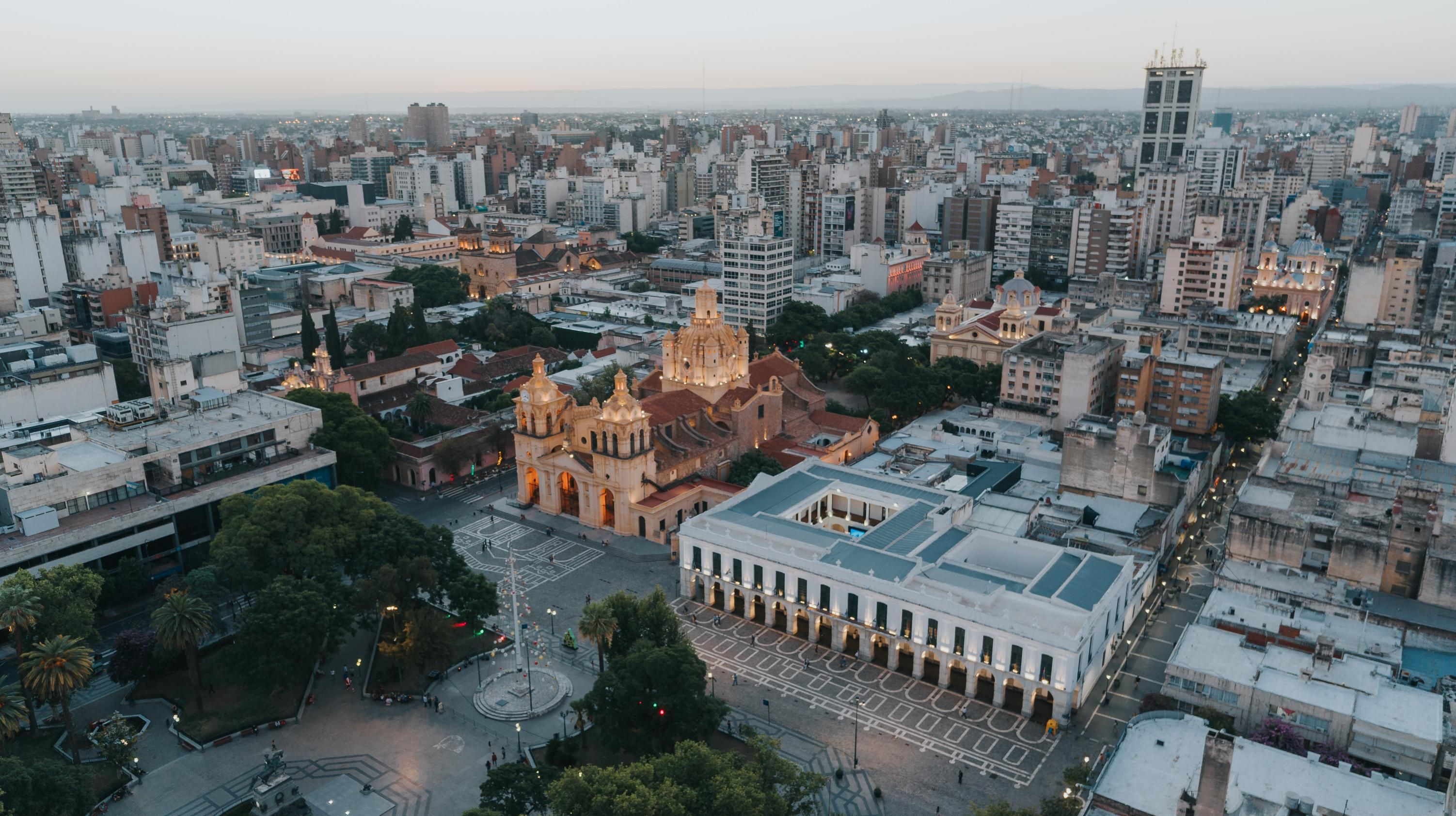
Córdoba is Argentina's second major urban center and a useful compromise between Buenos Aires scale and smaller-city living. Nearby sierras provide weekend escapes and possible alternatives for a quieter home.
Bariloche
For retirees who would choose mountains over beaches, Bariloche is exceptional. Nahuel Huapi Lake, forests and the Andes create one of South America's most dramatic settings. The tradeoff is colder weather, tourism and higher costs in desirable areas.

Healthcare in Argentina
Argentina has public, social-security and private healthcare sectors. The rules for foreign residents changed in 2025–2026, so older expat articles can now be misleading.
Under the amended Migration Law, emergency care cannot be denied to foreigners regardless of immigration status. Permanent foreign residents can access the public system on the same basis as Argentine citizens. For foreigners outside those categories, nationally administered facilities may require health insurance or advance payment for routine care.
For a retiree arriving on temporary pensionado residence, private health coverage should therefore be part of the budget rather than assuming unrestricted free public healthcare.
Buying Property in Argentina
Foreign investment law generally gives foreign investors the same rights and obligations as national investors, subject to special regimes and restrictions. Residential property purchases are possible for foreigners, but rural land, border-security zones and certain other property can involve additional rules.
Use an independent Argentine escribano and legal adviser. Verify title, debts, building expenses, tax status and the mechanics of transferring funds into Argentina before signing.
Taxes, Banking and Currency
Argentina's currency and tax environment requires more planning than many retirement destinations. Immigration residence and tax residence are separate issues, and foreign assets, pensions, investments and property can have Argentine tax consequences.
Americans generally retain U.S. filing obligations while abroad. Get cross-border advice before establishing tax residence, making large retirement-account withdrawals or buying property.
Currency rules can change. Maintain diversified banking access and understand the legal channels for bringing pension or investment income into Argentina—particularly if applying under a residence category that specifically requires evidence of foreign-source funds.
Transportation
Buenos Aires has one of Latin America's strongest public-transport networks, including the Subte metro, buses and suburban trains. A car can be unnecessary in central neighborhoods.
Argentina is enormous, so domestic flights matter. Mendoza, Córdoba, Bariloche, Salta and other major destinations have airports. Outside central cities, a car becomes more useful.
Climate: Choose Your Argentina
Argentina stretches across many climate zones. Buenos Aires has hot, humid summers and cool winters. Mendoza is dry and sunny. The northwest can be warm and arid, while Patagonia becomes dramatically colder.
This diversity is an advantage: retirees can choose climate rather than simply accept one national weather pattern.
Food, Language and Daily Life
Spanish is essential for long-term integration, although English is encountered in tourism and some professional environments. Learning conversational Argentine Spanish will make administration, healthcare and neighborhood life much easier.
Daily life is strongly social. Cafés, long dinners, neighborhood bakeries, wine, beef, pasta and Italian-influenced food culture are central to the Argentine experience. Buenos Aires is also one of the world's great cities for theater, bookstores and late-night dining.
Aging in Place
Argentina can work well for aging in place if you prioritize healthcare and accessibility. Buenos Aires offers the broadest medical network and many walkable neighborhoods, but older apartment buildings should be checked for elevators and accessibility.
In Mendoza, Córdoba and Patagonia, proximity to hospitals and airports becomes more important. A spectacular rural or mountain property may be less practical later in retirement.
Three-Week Argentina Retirement Scouting Trip
Week 1: Buenos Aires
Test several neighborhoods rather than treating the capital as one market. Use public transport and visit hospitals, supermarkets and everyday services.
Week 2: Mendoza
Compare central Mendoza with Chacras de Coria and surrounding wine-country communities.
Week 3: Córdoba or Bariloche
Choose Córdoba if city services matter most, or Bariloche if Patagonia is central to your retirement dream.
Before Leaving
Update the pension-income threshold, price private healthcare and long-term rentals, and speak with immigration and tax professionals before making a property commitment.
Argentina Retirement Moving Checklist
- Confirm whether pensionado or rentista residence fits your income.
- Check the current five-minimum-wage threshold.
- Prepare pension and criminal-record documentation.
- Start the appropriate RaDEX process.
- Budget for private health insurance during temporary residence.
- Scout at least two regions.
- Rent before buying.
- Get cross-border tax advice.
- Understand lawful banking and fund-transfer procedures.
- Learn practical Spanish before the move.
Frequently Asked Questions About Retiring in Argentina
Does Argentina have a retirement visa?
Argentina has a temporary residence category called pensionado for qualifying foreign pension recipients.
How much pension income is required?
The current government requirement is at least five times Argentina's minimum living and mobile wage. Because the wage changes, verify the current peso amount when applying.
How long does pensionado residence last?
The government's current domestic application page states one year, renewable.
What is rentista residence?
It is temporary residence for qualifying foreign-source income generated by assets such as investments, real estate or business interests rather than personal employment.
Can Americans retire in Argentina?
Yes, provided they qualify for an appropriate residence category and meet its requirements.
Is Argentina inexpensive for retirees?
It can offer good value, but inflation and exchange rates make long-term dollar comparisons unusually fluid.
What are the best retirement cities?
Buenos Aires, Mendoza, Córdoba, Bariloche, Mar del Plata and Salta all offer distinct advantages.
Is Buenos Aires good for retirement?
It is particularly strong for healthcare, culture, restaurants, transit and walkable urban neighborhoods.
Is Mendoza good for retirees?
Yes, especially for retirees who value sunshine, wine country and proximity to the Andes.
What about Patagonia?
Bariloche offers exceptional scenery and outdoor life, balanced against colder winters and tourism-driven costs.
Is public healthcare free for foreign retirees?
Do not assume so. Current law guarantees emergency care, while equal public-system access is specifically provided to permanent foreign residents. Other foreigners may need insurance or payment for routine care in nationally administered facilities.
Should temporary residents buy private insurance?
It is prudent to budget for private coverage and verify your exact eligibility rather than relying on older information about universal free care.
Can foreigners buy apartments?
Generally yes, subject to applicable property rules and special restrictions.
Does buying a home give me residence?
Do not assume that property ownership itself creates pensionado residence. Immigration qualification should be handled separately.
Should I rent first?
Yes, particularly because neighborhood conditions, inflation and exchange rates can change the economics of buying.
Do I need Spanish?
You can begin without fluency, but Spanish becomes increasingly important for healthcare, administration and genuine integration.
Can I live without a car?
Yes in many Buenos Aires neighborhoods. A car is more useful in wine country, smaller cities and Patagonia.
What currency is used?
The Argentine peso.
What is Argentina's biggest retirement advantage?
Its variety: world-class city life, wine regions, mountains, coast and Patagonia are all available within one country.
What is the biggest planning risk?
Building a long-term retirement plan around a temporary exchange rate or outdated immigration and healthcare information.
Official Argentina Resources
Argentina Government — Pensionado Temporary Residence
Argentina Government — Rentista Temporary Residence
Final Thoughts: Is Argentina Right for Your Retirement?
Retiring in Argentina can be compelling for someone who wants more than a beach-and-sun retirement. Buenos Aires provides sophisticated urban life, Mendoza offers wine country and the Andes, Córdoba balances city services with nearby mountains, and Bariloche opens the door to Patagonia.
The pensionado residence category is a major advantage, but Argentina rewards retirees who stay flexible. Exchange rates, inflation and regulations can move faster than in many European retirement destinations.
Rent first, keep part of your financial life outside Argentina, budget for private healthcare while your status requires it, and compare several regions before choosing a permanent base.
Explore More Retirement Destinations
Compare Argentina with Cyprus, Albania, Montenegro and Croatia, or browse all Investing Travels Retirement Guides.
Tags: retire in Argentina, Argentina retirement, pensionado Argentina, Buenos Aires retirement, Mendoza retirement, Bariloche, Córdoba Argentina, expat retirement, retire abroad