

Passengers traveling through Chattanooga’s Lovell Field Airport on Sunday experienced significant frustration as Delta Air Lines, along with regional partners SkyWest, Endeavor Air, and PSA Airlines, suspended 14 flights and reported numerous delays on popular routes connecting the city to Atlanta, Dallas–Fort Worth, Chicago, Detroit, and other major hubs.
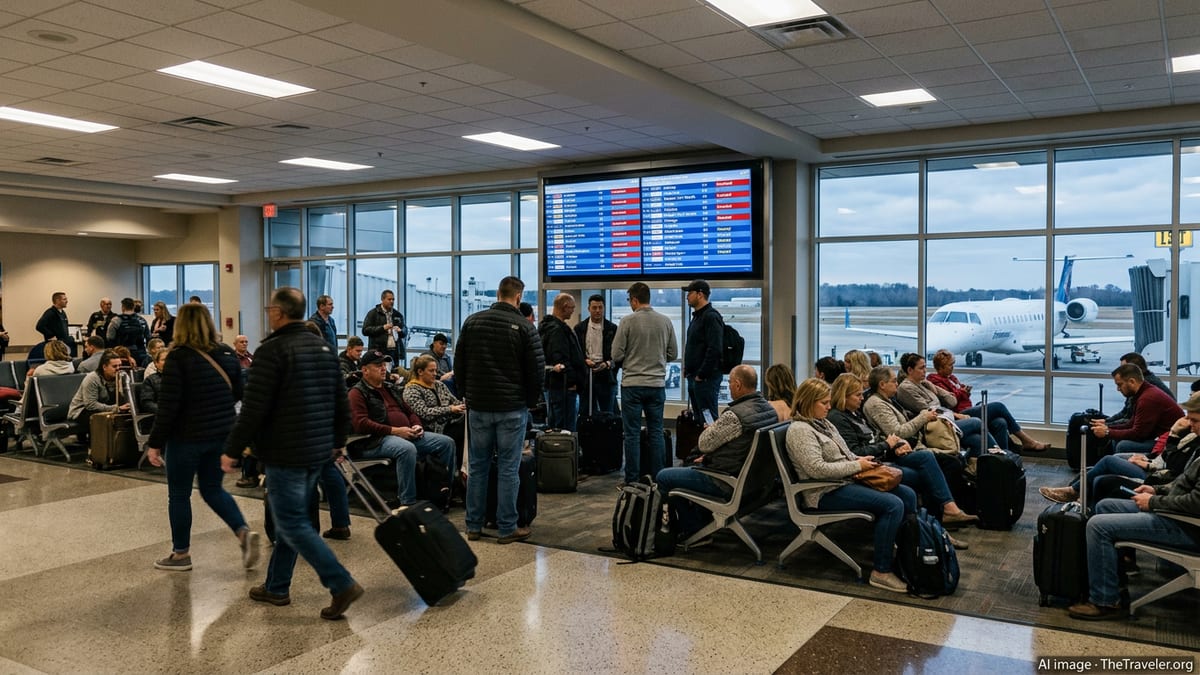
Ripple Effects from Regional Hub Disruptions Hit Chattanooga
The challenges at Lovell Field arise amidst a larger wave of operational instability affecting the U.S. airline network, with regional carriers facing the brunt of cancellations. By early afternoon, monitors at the airport reflected a series of canceled departures and delayed arrivals tied primarily to Delta Connection flights operated by SkyWest, Endeavor Air, and PSA Airlines, along with mainline Delta flights.
Among the canceled services were crucial short-haul routes feeding major hubs. Flights to and from Atlanta, Detroit, and Chicago, essential for Chattanooga travelers connecting to the Northeast, West Coast, or international destinations, were either completely canceled or delayed by over an hour. Passengers faced difficulties rebooking, as the later flights quickly filled up.
Business travelers were particularly affected, with early morning and late evening frequencies being canceled, which limited same-day return options for essential business routes. Many missed meetings, abandoned planned day trips, or found themselves staying overnight in Chattanooga or connecting hubs due to these disruptions.
Frequent Cancellations on Atlanta and Dallas–Fort Worth Routes
Services connecting Chattanooga with Atlanta and Dallas–Fort Worth faced significant impacts, as multiple rotations on these busy routes, typically under the Delta Connection banner, were removed from schedules or subjected to lengthy ground holds amidst operational issues at the hubs.
Delays from incoming flights from Atlanta and Dallas–Fort Worth created a ripple effect, complicating gate assignments and extending turnaround times for the remaining flights. Passengers arriving from disrupted legs often found their onward segments from Chattanooga had already been canceled, leading to long queues at service desks as agents tried to reroute travelers through alternative hubs like Detroit or Chicago.
Given the heavy reliance on these key routes for both domestic and international travel via Atlanta, even a few cancellations resulted in substantial disruptions to outbound and inbound flight schedules. Families starting spring vacations and students returning from breaks struggled to secure the limited same-day available options.
Chicago, Detroit, and Other Midwest Routes Affected
Fligths between Chattanooga and essential Midwest gateways, including Chicago and Detroit, were equally impacted. Regional jets operated by SkyWest and Endeavor Air faced a combination of cancellations and significant delays due to aircraft and crew management issues. These routes are vital for corporate travelers and passengers connecting to the upper Midwest, Great Lakes, and Canadian destinations.
Travel agents reported an increase in inquiries from clients looking to salvage complex itineraries that depended on tight connections in Chicago or Detroit. Travelers heading to smaller Midwest cities often had to accept next-day departures or itineraries requiring multiple connections through alternate hubs.
Challenges faced by larger hubs have rendered secondary airports like Chattanooga more vulnerable to operational disruptions. When larger airports deal with surges in volume, weather disruptions, or resource constraints, regional airports frequently absorb the resultant effects in the form of canceled feeder flights and limited rebooking choices, further complicating travel for passengers beginning or concluding their journeys at smaller airports.
Airlines Attribute Cancellations to Network Pressures as Passengers Seek Alternatives
While the reasons for each cancellation varied, airline representatives cited a combination of network pressures such as tight aircraft utilization, ongoing crew scheduling challenges, and cascading effects from earlier delays at major hubs. Regional partners like SkyWest, Endeavor Air, and PSA Airlines often lack the flexibility to reposition their aircraft and crews once their meticulously planned schedules start to unravel.
At Lovell Field, airline staff recommended that travelers utilize mobile apps and automated rebooking tools to avoid long lines at the counters, noting that available seats on remaining flights were filling up quickly. Some passengers chose to look for flights from nearby airports such as Atlanta or Nashville, arranging one-way car rentals or rideshares to catch alternative flights from larger airports with more frequent services.
Travel advisors suggested that affected passengers keep thorough records of expenses incurred from hotel stays, meals, and ground transportation, in case they qualify for goodwill compensation or travel credits. They also highlighted the importance of staying updated with email and text alerts, as schedule changes have become increasingly dynamic and can shift multiple times within a short period.
Next Steps for Travelers at Lovell Field
For travelers planning upcoming trips through Chattanooga, aviation experts advised preparing for continued volatility in regional operations. Suggestions included booking longer connection windows through major hubs, selecting earlier flights when possible, and avoiding the last scheduled flight of the day on critical routes to minimize the risk of being stranded.
Passengers should also familiarize themselves with their airline’s policies concerning delays and cancellations, including options for same-day confirmed changes, standby travel, and rebooking on partner airlines when feasible. Those with flexible travel plans may find it advantageous to adjust their itineraries to days or times historically associated with lower congestion, thereby reducing the chances of cascading disruptions.
Airport officials at Lovell Field are working closely with airline partners to restore stability to the flight schedule and address the backlog of displaced passengers. However, they cautioned that as long as major hubs continue to experience high volumes of traffic and occasional operational difficulties, smaller airports connected to those hubs will remain vulnerable to sudden waves of cancellations and delays.



