Retiring in the Philippines offers English-speaking daily life, warm weather, extensive island choices, private healthcare and one of Asia’s few dedicated retirement residence programs. A retiree can choose Metro Manila’s medical depth, Cebu’s city-island balance, Dumaguete’s community or the slower pace of Iloilo and Bacolod.
The country demands careful location choice. Healthcare quality varies sharply, foreigners cannot own land, typhoons and earthquakes are routine planning issues, and the cheapest islands can be medically isolated. SRRV rules also changed, making many older online deposit figures inaccurate.
Why Retire in the Philippines?
English is the Philippines’ greatest practical advantage. Hospitals, banks, contracts and government services routinely operate in English, while Filipino hospitality makes social integration easier. Domestic help, local food, dentistry and many routine services can remain affordable.
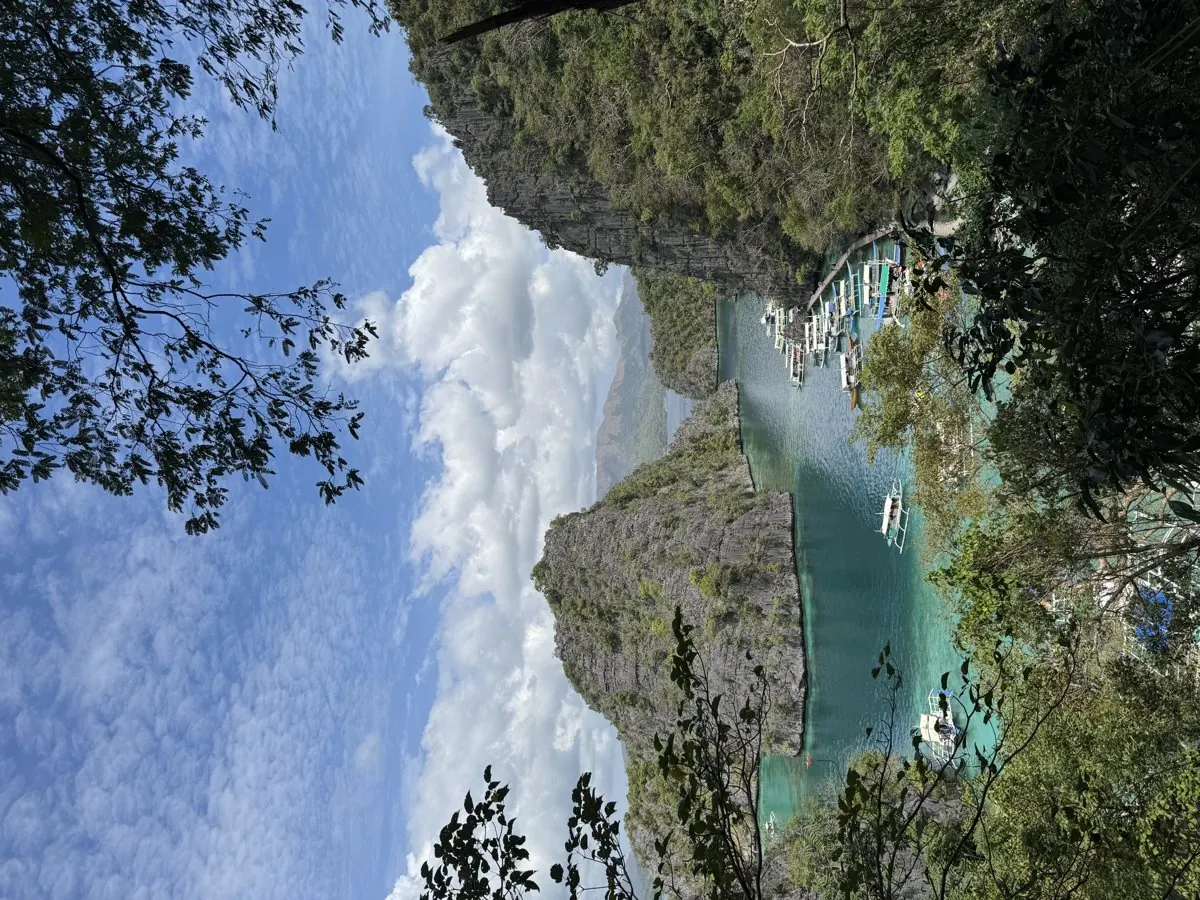
The archipelago offers extraordinary beaches and regional variety, but island life magnifies logistics. A one-hour ferry becomes a serious obstacle during stroke, trauma or a typhoon. Retirees should choose healthcare first and scenery second.
Philippine strengths
- Dedicated SRRV residence program
- English widely spoken
- Lower everyday costs outside premium Manila
- Strong private hospitals in major cities
- Warm culture and large expat communities
- Thousands of islands and climates
- Affordable household help
- Easy regional air connections
Important tradeoffs
- Foreigners cannot own land
- Major medical gaps outside cities
- Typhoons, floods, earthquakes and volcanoes
- Heavy traffic and road danger
- Heat, humidity and air pollution
- Uneven infrastructure and power reliability
- Security concerns in selected regions
- Formal eldercare varies widely
SRRV and Other Long-Stay Options
SRRV Classic
The SRRV Classic is designed for principal applicants age 40 or older. Current PRA deposit tiers distinguish pensioners from non-pensioners and applicants age 40–49 from those 50 or older. Pensioners must document a qualifying lifetime pension.
| Applicant | Age 50+ | Age 40–49 |
|---|---|---|
| Pensioner deposit | US$15,000 | US$25,000 |
| Non-pensioner deposit | US$30,000 | US$50,000 |
| Lifetime pension evidence | US$800/month single or US$1,000/month with dependants | |
Fees, dependants, bank placement and document requirements apply in addition to the deposit. Police clearances, medical clearance, civil documents and authentication may be required. Use PRA-accredited channels and send deposits only to verified program accounts.
Using the deposit
SRRV Classic may permit conversion of the visa deposit into qualifying investments approved by PRA, including eligible condominium purchase or long-term lease structures. Minimum investment values and documentation apply. Never assume any condo or lease will qualify without written approval.
SRRV Courtesy
Courtesy status provides lower deposits for former Filipinos and defined categories of distinguished or qualifying foreign nationals. Eligibility is specific. Ask PRA to confirm your category before relying on an agent’s claim.
Tourist extensions
Many visa-exempt visitors receive an initial stay and apply for extensions through the Bureau of Immigration. Longer cumulative stays may be possible depending on nationality and current rules. Tourist status is useful for scouting but requires recurring fees and does not equal indefinite residence.
Marriage and former-Filipino routes
A spouse of a Filipino citizen may qualify for 13(a) immigrant status, subject to reciprocity, genuine marriage and documentation. Former Filipino citizens may have Balikbayan privileges or reacquisition options. Compare independence, cost, work rights and what happens after divorce or death.
Cost of Living
Cost depends heavily on imported expectations. A local apartment, market food and domestic travel can be inexpensive. Secure modern condos, international insurance, air conditioning, imported food and flights can bring costs close to other Asian hubs.
| Monthly expense for two | Smaller city | Comfortable urban | Premium Manila |
|---|---|---|---|
| Housing | US$400–$750 | $800–$1,400 | $1,600–$3,000+ |
| Utilities, internet, phones | $140–$250 | $220–$380 | $350–$600 |
| Food and dining | $450–$750 | $700–$1,100 | $1,100–$1,800 |
| Transport and help | $150–$350 | $300–$600 | $650–$1,100 |
| Healthcare and insurance | $250–$650 | $500–$1,000 | $1,000–$1,800+ |
| Leisure and travel reserve | $180–$400 | $350–$700 | $800+ |
| Planning total | $1,570–$3,150 | $2,870–$5,180 | $5,500+ |
Best Places to Retire
Metro Manila
Metro Manila offers the strongest hospitals, specialists, embassies and international flights. Makati and Bonifacio Global City provide modern condos and walkable pockets; Ortigas and Quezon City offer alternatives. Traffic, pollution, flooding and cost are the price of medical depth.
Cebu
Metro Cebu combines major hospitals, an international airport, beaches and central access to the Visayas. Cebu City and Mandaue are urban and congested; Mactan offers resort-style living but bridge traffic. It is one of the strongest all-around retirement bases.
Dumaguete
Dumaguete has a university-town feel, a large retiree community and access to diving and nearby islands. Routine healthcare is useful, but complex cases may go to Cebu or Manila. Choose housing near the city rather than relying on long coastal drives.
Iloilo and Bacolod
Iloilo is organized, relatively clean and supported by hospitals, an airport and growing modern districts. Bacolod is relaxed and food-oriented with lower costs. Both offer a strong middle ground between Manila scale and small-island limitations.
Davao
Davao provides a large-city base, hospitals, airport and abundant produce. Security conditions differ across Mindanao, and travel advisories must be checked for specific provinces and routes. Davao City should not be generalized to the whole island.
Baguio, Subic and Clark
Baguio’s altitude offers cooler weather but traffic, steep roads and rainy-season landslides. Subic and Clark have planned zones, hospitals, airports and communities familiar with foreigners. They appeal to retirees who value infrastructure over beach-island romance.
Palawan, Siquijor and smaller islands
Remote islands deliver beauty and quiet, but electricity, water, specialist care and evacuation are fragile. Typhoons or ferry cancellations can isolate residents. Use them as seasonal bases until medical and logistical realities are proven.
Healthcare and Insurance
St. Luke’s, Makati Medical Center, Asian Hospital and other major Metro Manila institutions provide advanced private care. Cebu Doctors’, Chong Hua and regional hospitals extend capability outside the capital. Quality varies, and hospitals may require deposits or payment guarantees.
PhilHealth can reduce selected costs for eligible foreign members but is not comprehensive international insurance. Private local plans may have modest caps; international plans provide wider coverage but become costly with age. Examine cancer, dialysis, cardiac care, chronic conditions, evacuation and direct billing.
For stroke or trauma, distance matters more than routine clinic price. Confirm CT, ICU, catheterization laboratory, blood supply and ambulance access. Keep medical records and insurer contacts offline.
Taxes and Retirement Income
Philippine tax status distinguishes citizens, resident aliens and nonresident aliens, with source rules central to what is taxable. Immigration status does not alone settle the analysis. Income from work performed or property located in the Philippines may be Philippine-source even if paid abroad.
Foreign pensions, Social Security, military pensions, dividends and withdrawals should be analyzed under domestic law and any treaty. U.S. citizens continue U.S. filing and foreign-account reports. SRRV marketing benefits should never substitute for a written tax opinion.
Property Rights
Foreigners cannot generally own land. A Filipino spouse can own land in their own right, but the foreign spouse should not finance a nominee structure believing side agreements guarantee control. Death, divorce, debt and family disputes can expose the investment.
Foreigners can own condominium units within the 40% foreign ownership cap. Verify the Condominium Certificate of Title, project license, foreign quota, association dues, developer liens and occupancy permits. Buying shares in a corporation to control land raises constitutional, corporate and tax issues.
Long leases can be practical but must address renewal, improvements, assignment, death, default and registration. Property purchase does not itself provide residence.
Banking and Money
Accounts may require an ACR I-Card or qualifying residence, passport, address, tax details and source-of-funds documents. Bank policy varies. U.S. persons complete FATCA forms. Keep international cards and an offshore emergency reserve.
The peso floats. Condo and SRRV figures may be quoted in dollars while expenses are in pesos. Preserve remittance records for property and deposit funds. Verify payment instructions independently because impersonation and real-estate scams occur.
Typhoons, Earthquakes and Climate
The Philippines experiences tropical heat, monsoon rains, typhoons, earthquakes and volcanic activity. Risk differs: eastern seaboards face frequent storms; Metro Manila and central Luzon flood; areas near volcanoes face ash and evacuation; coastal zones face storm surge and tsunami.
Check official hazard maps, building structure, generator, water storage, drainage and evacuation routes. Keep at least several days of medicine, cash, food, water and power. Follow PAGASA weather and PHIVOLCS geological alerts.
Daily Life, Transport and Culture
English makes administration accessible, but Filipino social norms value respect, personal relationships and avoiding public confrontation. Family networks are central. Learn basic phrases in the local language and understand that Manila Tagalog is not the only Filipino culture.
Traffic is a major quality-of-life issue. Choose a home near hospital, groceries and community rather than trusting map distance. Ride-hailing is useful in major cities. Retirees should be extremely cautious about motorcycles and provincial night driving.
Aging in Place
Household help and family-oriented culture can support aging, but formal assisted living, memory care and skilled home nursing vary. Vet caregivers, define duties and maintain medical supervision. A live-in helper is not automatically trained for stroke, dementia or medication management.
Select an elevator building with generator, step-free bathroom, backup water and ambulance access. Maintain wills, powers, hospital authority and accessible funds. Unmarried partners may lack automatic rights.
A 12-Month Moving Plan
- Months 12–10: Compare Manila, Cebu and one smaller city by healthcare.
- Month 9: Confirm current SRRV tier with PRA.
- Month 8: Obtain cross-border tax advice.
- Month 7: Price insurance, evacuation and major hospital access.
- Month 6: Scout during hot or rainy season.
- Month 5: Rent near daily needs and test traffic.
- Month 4: Prepare police, pension, civil and medical documents.
- Month 3: Verify PRA account and deposit instructions.
- Month 2: Arrange pets, medicines and banking evidence.
- Month 1: Recheck entry and travel advisories.
- First 90 days: Establish doctors, phone, bank and community.
- First year: Experience storms before buying.
- Before relocating remotely: Confirm evacuation time and receiving hospital.
Common Mistakes
- Using obsolete SRRV deposit figures.
- Transferring money to an unverified agent account.
- Buying land through a nominee.
- Choosing an island without emergency medicine.
- Assuming PhilHealth replaces major medical insurance.
- Buying a condo without checking the foreign quota.
- Judging traffic by distance instead of travel time.
- Ignoring flood, storm-surge and earthquake maps.
- Confusing domestic help with skilled nursing.
- Working without correct labor authorization.
Is the Philippines Right for You?
The Philippines is a strong fit for retirees who value English, warmth, community and geographic choice and who can afford private medical planning. Cebu, Metro Manila, Iloilo and Clark offer the safest balance for many.
It is less suitable for someone needing predictable public infrastructure, foreign land ownership or advanced care on a remote beach. Rent first, choose healthcare before scenery and verify every SRRV figure directly with PRA.
Frequently Asked Questions
Does the Philippines have a retirement visa?
Yes. The Philippine Retirement Authority administers the Special Resident Retiree’s Visa, or SRRV. It provides indefinite residence and multiple-entry privileges while program conditions remain satisfied. Current PRA rules and fees should be verified before applying.
What is the minimum SRRV age?
Current PRA material lists qualified principal applicants beginning at age 40. Deposit amounts differ for ages 40–49 and 50 or older, and for pensioners versus non-pensioners. Older articles stating a universal age 50 minimum may be outdated.
What are the SRRV Classic deposit amounts?
Current PRA information lists pensioner deposits of US$15,000 for age 50+ and US$25,000 for ages 40–49; non-pensioner deposits of US$30,000 for age 50+ and US$50,000 for ages 40–49. Verify before transferring funds.
How much pension is required?
For the pensioner SRRV Classic route, PRA currently states proof of lifetime pension of at least US$800 monthly for a single applicant or US$1,000 monthly for an applicant with dependants. The pension must meet PRA documentation requirements.
Can the SRRV deposit be invested?
Under SRRV Classic, the requisite time deposit may be converted into qualifying investments allowed by the program, subject to minimum investment values and PRA approval. Do not purchase a condo first and assume it will retroactively qualify.
What is SRRV Courtesy?
SRRV Courtesy is a reduced-deposit option for former Filipino citizens and certain eligible foreign nationals with qualifying distinctions or service. Categories are specific; ordinary military service or public employment may not automatically qualify.
Can my spouse and children join?
The principal applicant can generally include a spouse and qualifying unmarried children under PRA rules, with additional deposit requirements when dependants exceed the included allowance or do not meet definitions. Civil documents need authentication.
Can I work on an SRRV?
SRRV status does not automatically eliminate work-permit requirements. Employment, business management and professional activity must comply with immigration, labor, licensing and tax rules. Obtain written advice before working.
Can I stay using tourist extensions instead?
Many eligible visitors extend their temporary stay repeatedly through the Bureau of Immigration, sometimes for a lengthy cumulative period. This can be useful for scouting but is not the same as permanent retirement status and requires ongoing extensions, fees and eventual departure.
What is the 13(a) spouse visa?
A foreign national married to a Filipino citizen may qualify for a 13(a) immigrant visa when reciprocity and other conditions are met. It can be more appropriate than SRRV for some couples, but status depends on the marriage and involves probationary and permanent stages.
What is Balikbayan privilege?
A former Filipino and qualifying foreign spouse or children traveling together may receive a one-year Balikbayan stay at immigration discretion. It is an entry privilege, not the same as an SRRV or 13(a), and documentation and joint arrival matter.
When do I become a Philippine tax resident?
Tax classification depends on citizenship, residence, immigration status and facts—not only a simple day count. Resident aliens are generally taxed on Philippine-source income under domestic rules, while specific income sourcing and treaty rules require advice.
Are foreign pensions taxed?
Foreign-source pension treatment depends on the recipient’s tax classification, the source rules and any applicable treaty. U.S. Social Security, military or government pensions, private pensions and retirement-account withdrawals may differ. Americans continue U.S. filing.
How much does a retired couple need?
A couple may plan US$1,500–$2,400 monthly in a smaller city, US$2,400–$3,800 for a modern urban lifestyle with private insurance, and over US$4,000 for premium Manila housing, frequent flights or extensive imported goods.
Where is the best place to retire?
Metro Manila has the deepest healthcare; Cebu balances major-city medicine and island access; Dumaguete has a strong retiree community; Iloilo is organized and affordable; Davao is spacious but requires security awareness; Baguio offers cooler weather.
How good is healthcare?
Top private hospitals in Metro Manila provide sophisticated care. Cebu and Davao have important regional centers; Iloilo, Bacolod, Dumaguete and Clark offer useful private facilities. Remote islands may lack blood, imaging, specialists and reliable evacuation.
Does Medicare cover the Philippines?
Original U.S. Medicare generally does not cover routine care in the Philippines. TRICARE and some federal or private retiree plans have their own overseas rules. Verify direct billing, preauthorization and claims rather than assuming U.S. coverage travels.
Can foreigners join PhilHealth?
Some foreign residents, including certain SRRV holders, may enroll under current PhilHealth categories and contribution rules. Benefits are limited compared with full private costs, so PhilHealth should not replace major medical and evacuation planning.
Can foreigners own land?
Foreign individuals generally cannot own Philippine land. Marriage to a Filipino does not give the foreign spouse land title. Nominee arrangements can be illegal and leave the foreign funder unprotected.
Can foreigners own condominiums?
Foreigners may generally own condominium units if foreign ownership in the condominium corporation does not exceed the constitutional 40% limit. Verify the project’s title, foreign quota, licenses, association debts and developer standing.
Can I lease land?
Foreigners may lease land subject to statutory limits and conditions. A long lease is not ownership. Renewal, improvements, inheritance, default and registration need independent legal review.
Does buying property give me residency?
No. A condo purchase does not automatically produce an SRRV or another visa. It may qualify as an approved use of an SRRV deposit only under current PRA rules and approval.
Can I open a bank account?
Banks typically require passport, valid immigration status, local address, tax information and source-of-funds evidence. Requirements vary, and U.S. persons face FATCA documentation. Maintain an overseas backup account.
Is the Philippines safe for retirees?
Many communities are comfortable, but robbery, scams, traffic crashes, political violence and localized insurgency or kidnapping risks require current advice. Mindanao risk varies sharply by area. Follow official travel advisories and local guidance.
What natural disasters should I plan for?
Typhoons, flooding, earthquakes, volcanic eruptions, landslides and extreme heat occur. Choose structurally sound housing outside known flood and storm-surge zones, maintain supplies and evacuation funds, and follow PAGASA and PHIVOLCS alerts.
Can I drive with a foreign license?
A valid foreign license is generally usable for a limited period after arrival; longer-term residents need a Philippine license under current LTO rules. Traffic conditions are hazardous, and motorcycle use requires correct licensing, helmet and insurance.
Can I bring a pet?
Dogs and cats require Philippine animal-health import clearance, microchip or identification, rabies vaccination, veterinary certificate and airline compliance. Obtain the Bureau of Animal Industry requirements before booking.
Is English widely spoken?
Yes. English is an official language and widely used in government, healthcare, business and education. Local languages such as Tagalog, Cebuano, Ilonggo and others enrich integration and are appreciated.
Is the Philippines welcoming to LGBTQ+ retirees?
LGBTQ+ people are visible and many urban communities are welcoming, but same-sex marriage is not recognized nationally and protections vary. Partners need wills, medical authorities and independent immigration status.
Can I age in place?
It can work near a major private hospital with reliable caregivers, but formal assisted living, dementia care and rehabilitation vary. Domestic help is not automatically skilled nursing. Remote island retirement becomes risky as medical needs increase.
Official and Practical Resources
- Philippine Retirement Authority
- Bureau of Immigration
- Bureau of Internal Revenue
- PhilHealth
- PAGASA weather
- PHIVOLCS hazard information
Explore More Retirement Guides
Compare the Philippines with other Investing Travels destinations:
Asia
Europe
Tags: Philippines retirement, retire in the Philippines, retiring in the Philippines, Philippines expat guide, SRRV visa, SRRV Classic, Philippine retirement visa, Manila retirement, Cebu retirement, Dumaguete retirement, Philippines healthcare, Philippines cost of living, Philippines property, retirement in Asia, retirement abroad