Retiring in Panama has attracted international pensioners for decades because the country combines a straightforward Pensionado residence program, dollar-based banking, international air connections, private healthcare and climates ranging from tropical coast to cool coffee highlands.
Panama is not one retirement experience. A high-rise apartment near a Panama City hospital, a mountain home in Boquete and a beach condominium in Coronado solve different problems. The right decision depends on medical access, heat tolerance, mobility, transport, budget and how much Spanish you are prepared to learn.
The strongest Panama plan separates three questions that are often blurred online: Which immigration category do you qualify for? Which income is actually Panamanian-source for tax purposes? Which town will remain practical as you age? This guide addresses all three.
Panama Retirement at a Glance
| Planning question | Practical answer |
|---|---|
| Primary retirement route | Pensionado permanent residence based on qualifying lifetime pension |
| Income requirement | US$1,000 monthly plus US$250 per dependent |
| Property variation | US$750 pension may qualify when combined with at least US$100,000 in qualifying real estate |
| Other routes | Friendly Nations, Qualified Investor, fixed-deposit, professional, family and other categories |
| Tax approach | Panamanian-source income is the focus; residence can be established through 183-day and center-of-interests tests |
| Healthcare | Strongest in Panama City, with useful regional care in David and selected cities |
| Currency | Balboa coins and U.S. dollar notes; one balboa equals one U.S. dollar |
| Property | Titled property can be purchased, but coastal, island, border and possession-right deals need special caution |
Why Retire in Panama?
Panama occupies the narrow land bridge between Central and South America. The canal and the country’s logistics, banking and commercial services support a more internationally connected economy than its population size might suggest. Tocumen International Airport offers broad regional and long-haul connections, while Panama City provides modern hospitals, shopping and professional services.
The Pensionado program remains a major advantage. A lifetime pension of at least US$1,000 per month can qualify a principal applicant, with an additional US$250 for each dependent. Unlike many passive-income visas, this route offers permanent residence and a statutory discount program covering selected transport, hotels, restaurants, entertainment and medical services.
Why Panama appeals
- Permanent Pensionado residence with accessible income threshold
- U.S. dollar circulates at parity with the balboa
- Major private hospitals and regional air hub
- Territorial tax framework
- Mountain, urban, island and beach climates
- Established expat communities and relocation services
- Statutory pensioner discounts
Challenges to plan around
- Humidity and heat across much of the country
- Rising costs in Panama City, Boquete and beach areas
- Traffic and limited walkability outside selected neighborhoods
- Complex title, concession and right-of-possession distinctions
- Private insurance becomes expensive with age
- Rain, flooding and landslides
- Spanish needed for bureaucracy and genuine independence
Geography, History and Culture
Panama connects Costa Rica and Colombia and separates the Caribbean Sea from the Pacific Ocean. The interior mountain spine creates cooler elevations in Chiriquí and Coclé, while most lowland communities are hot and humid. The Caribbean receives heavier rainfall than much of the Pacific side.
Indigenous peoples—including Guna, Ngäbe, Buglé, Emberá, Wounaan, Naso and Bribri communities—predate European arrival and retain distinct territories and traditions. Spanish colonization made the isthmus an imperial transit route. Panama separated from Colombia in 1903, and the canal opened a little more than a decade later. Full control of the canal transferred to Panama at the end of 1999.
Modern Panama blends Afro-Panamanian, Indigenous, Caribbean, Latin American, Asian, European and North American influences. Spanish is the national language. English is common in some business, medical and expat settings but cannot be relied upon for municipal work, contracts, emergencies or rural life.
Retirees should learn practical Spanish and understand that Panama City’s cosmopolitan culture is not the national norm. Carnival, pollera traditions, regional food, baseball and family life shape the social calendar. Indigenous comarcas are self-governing territories, not speculative real-estate frontiers.
Climate and Scouting Seasons
Panama’s dry season generally runs from around December through April, with a rainy season through the remainder of the year. Local patterns vary sharply. Caribbean areas and Bocas del Toro receive substantial rain even when the Pacific side is comparatively dry.
Panama City, Coronado and the coast are hot and humid. Boquete, Volcán, Santa Fe and El Valle benefit from elevation, cooler nights and cloudier weather. Boquete’s microclimates vary across short distances; one hillside may be windy and wet while another is sunnier.
A scouting plan should include both seasons. Rain reveals drainage, roof leaks, mold, landslides, road access and flooding. Dry-season visits reveal water pressure and vegetation maintenance. Test the property at midday, at night and during a storm before committing.
Tourist Entry Before Residence
Entry rules depend on nationality. Panama’s migration authority states that visitors should carry an original passport with at least three months of validity, proof of onward travel and evidence of economic solvency of at least B/.500, although airlines and immigration officers may apply additional documentation rules.
Tourist admission is not permission to reside indefinitely or work. The permitted stay can vary, and overstay fines do not create a reliable long-term plan. Use a scouting visit to select an attorney, verify the correct residence route and prepare documents rather than assuming an online checklist applies.
Foreign police records, birth and marriage certificates generally require apostilles or consular authentication and Spanish translation. Document-age rules are strict. Confirm the filing window before ordering records.
Panama Pensionado Residence
The Jubilado Pensionado program is permanent residence for applicants who receive a lifetime pension from a government, international organization or qualifying private organization. The standard minimum is US$1,000 per month plus US$250 per dependent.
An alternative commonly reduces the pension requirement to US$750 when the applicant purchases qualifying residential real estate in Panama worth at least US$100,000. Do not buy solely to lower the threshold until counsel confirms that the property and appraisal satisfy the current regulation.
Typical Pensionado documents
- Power of attorney and application filed by a Panamanian lawyer
- Valid passport and immigration registration
- Authenticated criminal-background certificate
- Official pension letter confirming amount, lifetime duration and source
- Proof of the organization’s authority to pay a private pension when required
- Birth and marriage certificates for dependents
- Health certificate issued as required in Panama
- Passport photographs, forms and government payments
- Apostilles and official Spanish translations
Social Security and many government pensions generally fit the program. Private pensions require precise language showing the benefit is payable for life. A temporary withdrawal plan from a brokerage account is not the same as a lifetime pension. VA disability or annuity applicants should obtain written advice based on the exact award language.
Pensionado discounts
Panamanian law provides age- and pensioner-related discounts on qualifying services such as domestic transport, hotels, restaurants, entertainment, medical services and certain utilities. The percentage and conditions vary. A discount may exclude specials, taxes, tips or peak periods, and staff may request local pensioner identification. Treat discounts as a benefit, not the foundation of the budget.
The program may offer customs benefits for household goods and periodic vehicle importation, but duties, value limits, shipping costs and administrative requirements matter. Obtain a written customs estimate before a container or car leaves home.
Friendly Nations and Investor Alternatives
The Friendly Nations route no longer operates as the easy bank-deposit residence often described in old articles. For eligible nationalities, current paths generally require an employment relationship or a qualifying US$200,000 real-estate investment or fixed-term deposit, followed by the program’s temporary-to-permanent process.
The Qualified Investor program offers expedited permanent residence through qualifying investments. The real-estate minimum has been reported at US$300,000, with higher amounts scheduled or possible under the governing timeline; securities and fixed-deposit alternatives use higher thresholds. Confirm the amount in force on the investment and filing date before transferring funds.
These programs are not better versions of Pensionado residence. They serve people without a qualifying lifetime pension or those pursuing a different investment strategy. Never invest to obtain status until independent immigration counsel confirms the route and independent property or financial counsel reviews the asset.
Territorial Taxation and Tax Residence
Panama generally taxes income produced within Panama. Foreign pensions and genuinely foreign-source investment income can fall outside Panamanian income tax. The important question is source, not the bank account receiving the payment.
Services physically performed in Panama, management of a business, local rentals, commerce and Panamanian investments may generate taxable income. A retiree who occasionally consults online can have a different result from a person living solely on pension and foreign portfolio income.
More than 183 days in Panama during a calendar or fiscal period is a common route to tax residence. Permanent housing and the center of vital or economic interests can also matter. Immigration residence does not automatically produce a tax-residence certificate, and tax residence does not erase obligations elsewhere.
Panama does not appear on the IRS list of comprehensive U.S. income-tax treaties. U.S. citizens and resident aliens generally continue filing U.S. returns on worldwide income. Foreign-account reporting, Form 8938, company reporting and state domicile can apply. Panama and the United States exchange tax information.
Keep clear records of entry days, pension statements, investment location, service activity and transfers. Obtain a written cross-border tax projection before selling investments or creating a Panamanian corporation or private-interest foundation.
Cost of Living in Panama
Panama can be less expensive than many North American cities but is no longer uniformly low-cost. Panama City waterfront neighborhoods, central Boquete and established Pacific beach communities command international prices. Local food and services remain good value, while imported groceries, electricity, cars and international insurance raise the budget.
| Monthly category for two | Planning range (US$) | What changes it |
|---|---|---|
| Long-term rent | $800–$2,200+ | Panama City district, Boquete demand, ocean view, furnishings and amenities |
| Utilities and communications | $180–$450 | Air-conditioning, building fees, water storage and backup power |
| Food and household goods | $500–$1,000 | Local markets versus imported brands and restaurants |
| Transportation | $180–$750 | Metro and ride apps versus maintaining a private vehicle |
| Healthcare and insurance | $300–$1,500+ | Age, exclusions, deductible and international network |
| Leisure and household help | $300–$900 | Dining, clubs, domestic help and regional travel |
| Emergency/travel reserve | $200–$500 | Medical transfer, flights and temporary housing |
A couple living locally in David or a secondary interior town might target US$2,000–$3,200 monthly. A comfortable Boquete, Coronado or Panama City lifestyle with strong insurance and frequent dining may require US$3,200–$5,500 or more. Luxury waterfront living goes higher.
Budget for residence fees, apostilles, translation, attorney costs, deposits, furniture, insurance underwriting and flights. Condominium maintenance assessments and tropical appliance replacement can be irregular but substantial. Keep a 15–20 percent contingency.
Best Places to Retire in Panama
Panama City
The capital provides the deepest private healthcare, Tocumen Airport, restaurants, banking and cultural life. Punta Pacífica, San Francisco, Costa del Este, El Cangrejo and Clayton offer different combinations of hospitals, walkability, green space and cost. Traffic and construction noise can overwhelm an otherwise attractive address. Select housing around actual daily routes.
Boquete
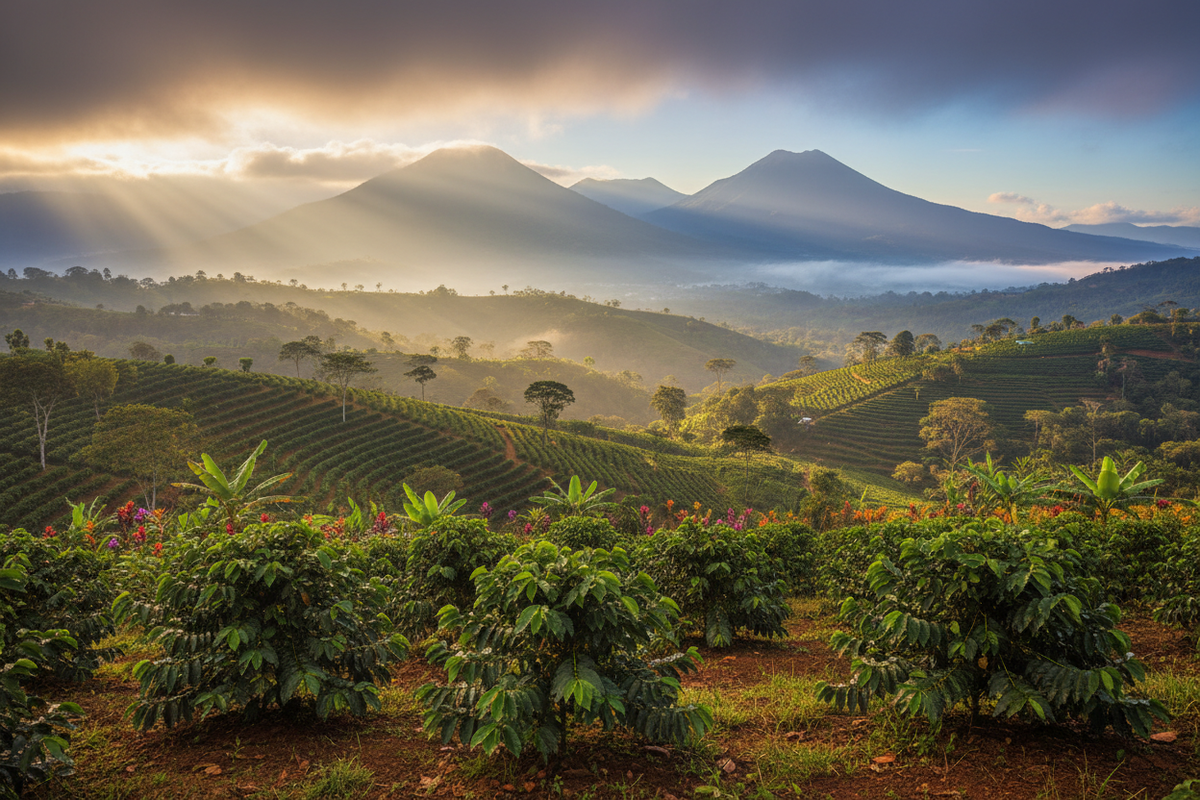
Boquete is Panama’s most famous highland retirement center, with cool temperatures, coffee farms, hiking, restaurants and a mature expat network. Popularity brings rising prices and traffic. Wind, rain and slope vary dramatically by neighborhood. Advanced specialists are in David or Panama City.
David
David is Chiriquí’s commercial and medical center. It is hotter and less picturesque than Boquete but offers hospitals, shopping, an airport and lower costs. Some retirees use David for practical living and visit the highlands for recreation.
Coronado and the Pacific beach corridor
Coronado offers supermarkets, clinics, golf, gated communities and access to Panama City. The dry-arc climate receives less rain than many parts of the country. Heat, car dependence, highway traffic and weekend congestion are trade-offs. Beachfront structures need salt and drainage inspections.
El Valle de Antón
El Valle sits inside a volcanic caldera and offers green scenery, cooler air, markets and hiking. It attracts weekend visitors and retirees who want mountain life closer to the capital than Boquete. Specialist medicine still requires travel.
Pedasí and the Azuero Peninsula
Pedasí offers a small-town atmosphere, nearby beaches and a growing international community. The Azuero Peninsula has a strong cultural identity and relatively dry climate. Medical depth is limited, and property prices near desirable beaches have increased.
Bocas del Toro
Bocas offers Caribbean islands, boating and a distinctive multicultural atmosphere. It also brings heavy rain, humidity, mold, boat dependence, waste-management issues and limited complex healthcare. Title and right-of-possession problems require exceptional care.
| Location | Best for | Main compromise | Healthcare plan |
|---|---|---|---|
| Panama City | Hospitals, flights, culture | Traffic, heat and premium rent | Deepest specialist network |
| Boquete | Cool climate and community | Price, rain, wind and slopes | David routine care; capital backup |
| David | Value and regional services | Hot climate | Strong regional base |
| Coronado corridor | Beach convenience | Car dependence and heat | Local clinics; capital transfer |
| El Valle | Green mountain setting | Weekend traffic and limited specialists | Capital access plan |
| Pedasí/Bocas | Small-town or island life | Isolation and thin medical depth | Evacuation coverage essential |
Famous Places and Retirement Adventures
The Panama Canal is more than a visitor attraction; it explains the country’s economy and international character. Miraflores Locks, the historic Canal Zone, Casco Viejo and the Amador Causeway create an accessible introduction to the capital.
Outside the city, retirees can explore Boquete coffee farms, Volcán Barú, cloud forests, the Azuero Peninsula, Coiba National Park and Caribbean islands. Portobelo and the Congo cultural tradition deepen the history of Afro-Panamanian life. Indigenous-guided visits should respect territorial authority and community rules.
Outdoor plans require realistic fitness and safety assessment. Pacific and Caribbean currents, heat, rapid rain, trail conditions and boat quality matter. Use reputable guides and do not treat remote nature as having urban rescue capacity.
Healthcare and Insurance
Panama City has respected private hospitals, specialists, laboratories and imaging. Some institutions maintain affiliations or physician links with international systems. David provides useful regional care, while smaller towns handle routine needs but may transfer serious cases.
Private care is less expensive than many U.S. facilities, but major hospitalization remains financially serious. Hospitals may request deposits or proof of accepted insurance. Original Medicare generally does not cover routine treatment in Panama. Some Medicare Advantage plans provide limited emergency benefits, but a retiree must read the specific plan.
International insurance premiums rise with age and can exclude pre-existing conditions. Compare local and international policies for renewability, cancer treatment, prescriptions, outpatient care, direct billing, evacuation and treatment in the United States. Keep accessible funds even with coverage.
Bring medication in original containers with prescriptions and generic names. Confirm controlled-drug rules and local availability before moving. In humid climates, medication storage and refrigeration backup matter.
Mosquito-borne diseases, heat illness, food and water safety vary by region. Travel-medicine recommendations depend on destination and health. Reliable urban tap water does not guarantee safe water in every island, rural or building system; inspect tanks and filtration.
Buying Property Without Buying a Problem
Panama has a developed titled-property market, but listings can also involve rights of possession, concessions, corporate shares or long leases. These are not equivalent. Foreigners generally can own titled property, while constitutional restrictions apply close to international borders and special rules govern islands, coasts, protected areas and comarcas.
Use an independent Panamanian attorney who does not represent the seller, developer or broker. Search the Public Registry, verify the cadastral plan, confirm taxes and liens, inspect corporate ownership if applicable and identify occupants, leases and association debts.
- Match the surveyed parcel to the registered description and physical boundaries.
- Confirm legal access, utilities, water, wastewater and internet.
- Review zoning, environmental approvals and building permits.
- Inspect drainage, mold, roof, structure, retaining walls and salt damage.
- Read condominium bylaws, budgets, reserves and litigation.
- Verify that promised tax exemptions actually transfer to the buyer.
- Avoid rights-of-possession property unless specialist counsel explains and accepts the risk.
- Use documented escrow and banking procedures; never rush a deposit.
Renting for a year remains the best due diligence. It reveals rainy-season flooding, construction noise, traffic, wind, water pressure, mold and the true journey to medical care.
Safety, Transportation and Daily Life
Panama is generally manageable for experienced travelers, but neighborhood crime, theft and scams occur. Current official advisories should guide route choices, particularly near the Colombian border and parts of the Darién. Avoid displaying wealth and use secure transport at night.
Panama City’s Metro is useful and inexpensive, while ride services and taxis fill gaps. A car becomes more useful in beach and highland communities. Driving style, rain, potholes and limited lighting make night travel harder. Verify insurance and license rules after obtaining residence.
Daily life is easier with Spanish. Banking, property management, building meetings, clinics, tradespeople and government offices operate primarily in Spanish. Expat networks can solve introductions, but relying exclusively on them limits independence.
Utilities vary by building and region. Ask about water interruptions, reserve tanks, generator coverage, electrical grounding, fiber availability and mobile signal. Air-conditioning can be the largest electricity cost in the lowlands. Highland homes trade cooling costs for moisture control.
Aging in Place, Family and Estate Planning
Choose a home for the person you may become, not only the healthy person arriving. Hills in Boquete, towers with unreliable generator coverage and isolated beaches can become difficult after illness. Look for elevator redundancy, one-level access, nearby pharmacy and an adult caregiver market.
Domestic help is widely available, but household assistance is not skilled nursing. Determine who will manage medications, mobility, dementia or hospital discharge. Adult children should know how to reach Panama, access documents and authorize care.
Create Panamanian and home-country wills, healthcare directives and powers of attorney with qualified lawyers. Foundations, corporations and jointly held property can complicate succession rather than simplify it. Keep an emergency file with passport, resident card, doctors, medications, insurance, bank contacts and property information.
A 12-Month Panama Move Plan
| Timing | Action | Decision test |
|---|---|---|
| 12–10 months | Confirm Pensionado qualification, insurance and three possible regions | Is the pension legally lifetime and properly documented? |
| 10–8 months | Scout Panama City, one highland and one coastal location | Which climate and medical network fit daily life? |
| 8–6 months | Obtain immigration and cross-border tax advice | Is Pensionado better than Friendly Nations or investment residence? |
| 6–4 months | Visit during rain; collect apostilled time-sensitive records | Does the chosen neighborhood remain accessible and dry? |
| 4–2 months | Secure a long rental and preserve outside banking and insurance | Can the move be reversed without selling a major asset? |
| Move month | Arrive lightly, register, file through counsel and track originals | Are documents and emergency funds redundant? |
| Months 1–6 | Establish doctors, Spanish, transport and community | Can the location handle the most likely emergency? |
| Months 7–12 | Review actual costs, tax position and property only after both seasons | Would you select the same community now? |
Common mistakes
- Assuming any investment withdrawal qualifies as a lifetime pension.
- Using an old Friendly Nations checklist that omits current investment or employment requirements.
- Confusing immigration residence with tax residence.
- Buying right-of-possession coastal property as though it were titled.
- Choosing Boquete without testing rain, wind and steep access.
- Choosing the coast without budgeting for air-conditioning and corrosion.
- Assuming Pensionado discounts make an expensive lifestyle affordable.
- Relying on Medicare or one insurance policy without evacuation terms.
- Shipping a car or container before obtaining a written customs calculation.
- Buying before living through a complete wet season.
Is Panama Right for Your Retirement?
Panama fits retirees who want a recognized pension residence program, dollar-based daily life, international flights, private medical care and real climate choice. It works especially well for people willing to learn Spanish and rent before selecting a permanent base.
It is less suitable for someone expecting bargain prices in the best-known expat locations, unable to tolerate humidity, dependent on walking in a car-oriented beach community, or unwilling to investigate property distinctions carefully.
Compare Panama with Costa Rica, Guatemala, El Salvador, Colombia and other destinations through the complete retirement guide directory.
Frequently Asked Questions
Can a U.S. citizen retire in Panama?
Yes. Panama offers permanent residence through its Pensionado program to qualifying applicants with a lifetime pension. Other applicants may qualify through Friendly Nations, investment, professional or family routes.
How much pension income is required for Panama’s Pensionado visa?
The standard requirement is at least US$1,000 per month in qualifying lifetime pension income, plus US$250 per dependent. A commonly available alternative reduces the pension threshold to US$750 when the applicant also purchases qualifying Panamanian real estate worth at least US$100,000. Confirm current rules before filing.
Is Panama’s Pensionado visa permanent?
The Pensionado program grants permanent residence rather than a short-term retirement visa. The resident identification documents still require administrative maintenance, and extended absence or later citizenship plans should be discussed with counsel.
Can I work in Panama with Pensionado residence?
Pensionado status is designed for retirement and does not itself authorize ordinary employment. A resident may generally own investments or a business, but actively working, managing or providing services can require separate immigration, labor and tax analysis.
Does Panama tax foreign pension income?
Panama generally taxes Panamanian-source income under a territorial system. Foreign pension and foreign-source investment income can fall outside Panamanian income tax, but work performed in Panama, local rentals and business income require source analysis.
When do I become a Panamanian tax resident?
Physical presence of more than 183 days in a calendar or fiscal period is a common route to tax residence, while permanent housing and a center of vital or economic interests can also matter. Immigration residence and tax residence are not the same.
Does Panama have an income-tax treaty with the United States?
Panama does not appear on the IRS list of comprehensive U.S. income-tax treaties. It does have tax-information arrangements with the United States. U.S. citizens and resident aliens generally continue U.S. worldwide reporting.
Can foreigners buy property in Panama?
Foreigners can generally buy titled property, but constitutional restrictions apply near international borders and special rules affect islands, coastal concessions, Indigenous comarcas and rights-of-possession property. Independent legal and survey review is essential.
Does buying property automatically provide residency?
No. Property can satisfy an investment element in routes such as Friendly Nations or Qualified Investor residence, but the purchase itself does not grant status. The property, value, funding and application must meet the exact program rules.
Does Medicare work in Panama?
Original Medicare generally does not cover routine care in Panama. Private hospitals may require a deposit, guarantee or accepted insurance, so retirees should arrange local or international coverage and medical-evacuation protection.
What are the best places to retire in Panama?
Panama City offers the deepest healthcare and international connections; Boquete offers cooler mountain weather; Coronado and the Pacific beach corridor provide coastal convenience; El Valle offers a green crater setting; and David provides a lower-cost regional city near Chiriquí services.
Is Panama inexpensive for retirees?
Panama can be less expensive than many U.S. cities, but Panama City, Boquete and premium beach communities are no longer bargain destinations. A comfortable couple should budget for insurance, air-conditioning, transport, imported food and flights—not just rent.
Official and Planning Resources
- Panama National Migration Service
- Embassy of Panama retirement information
- U.S. State Department Panama advisory
- U.S. Embassy in Panama
- CDC Panama traveler health
- Panama Revenue Directorate
- Panama Public Registry
- Panama Civil Protection
- IRS income-tax treaty list
Explore More Retirement Guides
Compare Panama with every completed Investing Travels guide:
Americas
Europe and all destinations
Browse all published and upcoming destinations.
Retirement Guides by CountryTags: Panama retirement, retire in Panama, retiring in Panama, moving to Panama, Panama expat guide, Panama Pensionado visa, Panama residency, Boquete retirement, Panama City retirement, Panama healthcare, Panama taxes, Panama cost of living, retirement abroad