Retiring in New Zealand offers safe communities, excellent scenery, English-speaking life and high-quality healthcare. Unlike Australia, New Zealand maintains specific retirement categories—but they require substantial investments, income and, for permanent residence, an eligible adult child.
The Temporary Retirement Visitor Visa is a two-year renewable visitor solution for wealthy applicants age 66+. The Parent Retirement Resident Visa grants residence but requires family connection and a larger four-year investment. Neither is a low-cost pensionado program.
Why Retire in New Zealand?
New Zealand’s smaller cities deliver a strong balance of nature and services. Christchurch, Nelson, Tauranga and Dunedin can provide hospitals, culture and access to landscapes without Auckland’s full cost. The climate is temperate, society stable and outdoor activity embedded in daily life.
Tradeoffs include expensive housing, geographic isolation, limited specialist medicine outside major centers, damp older homes and earthquake exposure. Immigration investment ties up significant capital, while temporary retirees must maintain private insurance.
New Zealand’s strengths
- Two defined retirement-related pathways
- Excellent public institutions and safety
- High-quality medicine
- English-speaking environment
- Temperate climate and natural beauty
- Strong aged-care framework
- Clean air and outdoor lifestyle
- Welcoming multicultural communities
Challenges
- High investment thresholds
- Parent residence requires eligible child
- Temporary route does not guarantee permanence
- Expensive housing and food
- Strict overseas-buyer rules
- Earthquakes and isolation
- Rural specialist shortages
- Older homes can be cold and damp
Retirement Visa Options
Temporary Retirement Visitor Visa
Applicants must be at least 66 and generally invest NZ$750,000 in acceptable New Zealand investments for two years, demonstrate NZ$500,000 in maintenance funds and NZ$60,000 annual income, and hold comprehensive travel or health insurance. A partner can normally be included; dependent children cannot.
The visa allows multiple entry during its two-year life but is not residence. Funds must be nominated, lawfully earned or acquired, transferred through approved channels and kept compliant. Renewal means a new assessment.
Parent Retirement Resident Visa
This route requires an eligible adult child who is a New Zealand citizen or resident and lives in New Zealand. Applicants generally invest NZ$1 million for four years, prove NZ$500,000 settlement funds and NZ$60,000 annual income. Health, character and relationship evidence apply.
Investment reporting continues after residence is granted. Failure to maintain acceptable investments or spend required time in New Zealand can jeopardize conditions. Residence and permanent residence are distinct stages.
Other pathways
Parents may examine other parent categories based on sponsor income and selection availability. Genuine partners of citizens or residents have family pathways. Australian citizens and permanent residents receive special treatment. Younger applicants may qualify through skilled or business routes, but these are not retirement visas.
Cost of Living
| Monthly expense for two | Smaller center | Comfortable city | Auckland/Queenstown |
|---|---|---|---|
| Housing | NZ$1,800–$2,800 | $2,600–$4,000 | $4,000–$6,500+ |
| Utilities, internet, phones | $350–$550 | $450–$650 | $550–$800 |
| Food and dining | $1,000–$1,500 | $1,300–$1,900 | $1,700–$2,500 |
| Transport | $500–$900 | $400–$800 | $450–$900 |
| Healthcare and insurance | $450–$1,100 | $650–$1,300 | $800–$1,600+ |
| Leisure and travel | $450–$800 | $650–$1,100 | $900–$1,500 |
| Planning total | NZ$4,550–$7,650 | NZ$6,050–$9,750 | NZ$8,400–$13,800+ |
International flights, heating, insurance and cars add significantly. Investment-visa capital is separate from living funds.
Best Places to Retire
Auckland
Auckland has the deepest specialist medicine, largest airport and most diverse communities. It also has the highest big-city housing costs, congestion and volcanic exposure. North Shore and outer coastal communities offer quieter options with travel tradeoffs.
Wellington
Wellington is compact, cultured and walkable in central areas, with major hospitals and government services. Wind, steep streets, housing quality and severe earthquake risk must be considered.
Christchurch
Christchurch offers rebuilt infrastructure, a major hospital, international airport, relatively flat terrain and access to the South Island. Winters are cool and earthquake memory shapes construction. It is one of the most practical retirement bases.
Tauranga and Bay of Plenty
Tauranga attracts retirees with beaches and warmer weather. Housing is expensive, traffic growing and volcanic or tsunami hazards relevant. Hamilton offers a more inland, medically strong alternative.
Nelson and Marlborough
Nelson offers sunshine, arts and outdoor life in a manageable city. Specialist healthcare and flights are more limited. Blenheim is quieter and wine-oriented. Both suit healthy retirees who accept regional scale.
Dunedin
Dunedin has a university, major hospital, culture and more affordable housing than Auckland or Queenstown. It is hilly, cool and distant from international hubs, but medically stronger than many cities of similar size.
Queenstown, Napier and smaller centers
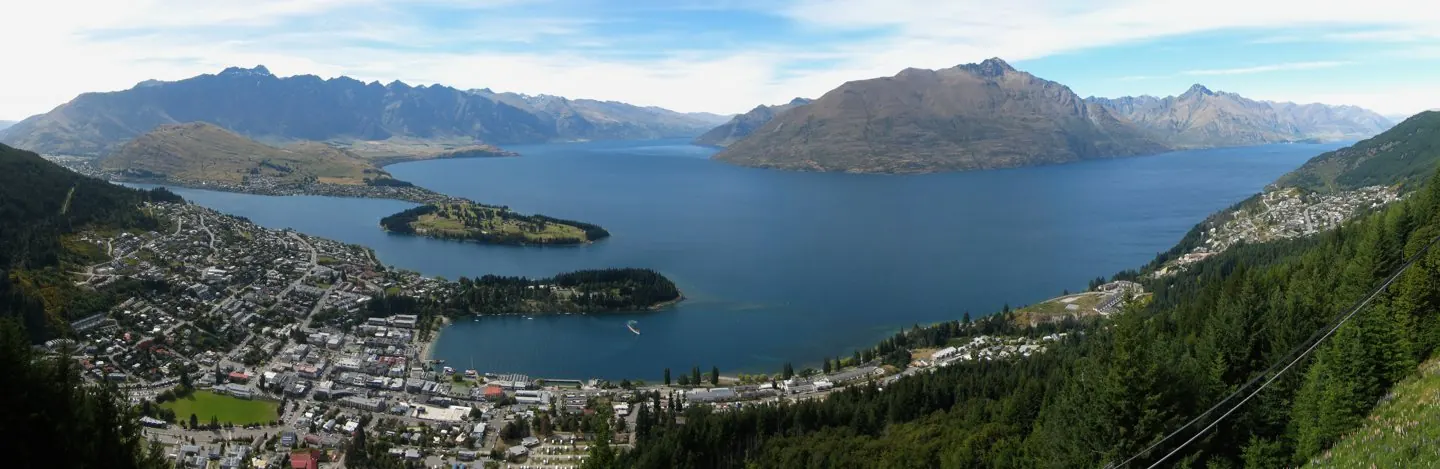
Queenstown is beautiful and exceptionally expensive, with tourism pressure and limited tertiary care. Napier and Hastings provide climate and wine country but face earthquake and flood risks. Small towns need careful hospital and driving analysis.
Healthcare and Insurance
Publicly funded care is available to citizens, residents and other defined eligible groups. Temporary Retirement Visitor Visa holders should expect to maintain comprehensive private insurance. A residence visa generally improves eligibility, but confirm individual status with Health New Zealand.
Public hospitals provide high-quality emergency and specialist treatment, while private insurance can shorten waits for elective procedures. Rural areas depend on regional referral, and some advanced cases require travel to Auckland, Wellington or Christchurch.
Ambulance arrangements and charges vary by provider and region. Keep insurance evidence, medication summaries and emergency contacts. Retirees with complex cancer, cardiac or neurological needs should select a major center.
Tax Residence and Transitional Relief
New Zealand tax residence can begin after more than 183 days in any twelve-month period or when a permanent place of abode exists. A person remains resident until the statutory absence test and factual requirements are met.
Qualifying new or returning residents can receive a temporary exemption on most foreign-sourced income for approximately 48 months. Foreign employment and services are generally not covered. Claiming some social assistance can affect the exemption.
When relief ends, worldwide income rules apply. Foreign pensions, Social Security, retirement accounts, foreign investment funds and trusts can be complicated. The FIF regime may tax offshore portfolio investments using formula methods rather than actual distributions.
New Zealand has no broad inheritance tax or comprehensive capital-gains tax, but land sales, investment intentions, financial arrangements and trust distributions can be taxable. U.S. citizens retain U.S. filing duties.
Property and Overseas-Buyer Rules
Most overseas persons cannot simply buy existing residential property. Eligibility depends on citizenship, residence-class status, tax residence, commitment to reside and consent rules. Australian and Singaporean buyers receive treaty-based treatment in some contexts.
Investment-visa acceptable assets are not the same as a personal home. Do not assume a residence application authorizes purchase or that a home satisfies investment requirements.
Due diligence
- Confirm overseas-investment eligibility before signing.
- Use an independent lawyer and conditional agreement.
- Order building, moisture and seismic inspections.
- Review LIM report, title, easements and consents.
- Check flood, tsunami, landslide and liquefaction maps.
- Inspect insulation, heating, ventilation and mold.
- For units, examine body-corporate minutes and earthquake liabilities.
- Model rates, insurance and maintenance.
Retirement Villages and Aged Care
Retirement villages often sell occupation-right agreements rather than ordinary ownership. Residents may not receive capital gains and can pay deferred management fees, refurbishment costs and ongoing charges. Resale timing may be controlled by the operator.
Government-funded home support and residential care depend on status, needs assessment and means testing. Temporary visitors should plan for private cost. A residence visa does not make every facility available immediately.
Choose a warm, dry, accessible home near hospitals and family. Powers of attorney, advance directives and wills should be reviewed under New Zealand law.
Climate, Earthquakes and Biosecurity
New Zealand is earthquake country. Wellington, Christchurch, Hawke’s Bay and other regions have distinct seismic and liquefaction risks. Central North Island has volcanic hazards; coasts face tsunami; intense rain can cause floods and slips.
Homes can be cold and damp despite a mild climate. Inspect heating, double glazing, insulation, ventilation and orientation. Follow Civil Defence guidance and keep water, medicine, food, cash and radios for at least several days.
Biosecurity is strict. Declare food, outdoor gear, plants and animal products. Failure to declare can bring instant fines. Pet import planning begins months ahead.
A 12-Month Moving Plan
- Months 12–10: Confirm temporary versus parent retirement eligibility.
- Month 9: Map acceptable investment, income and maintenance funds.
- Month 8: Obtain tax advice before transitional residence begins.
- Month 7: Price qualifying health insurance.
- Month 6: Scout two cities in winter.
- Month 5: Verify source-of-funds and transfer trail.
- Month 4: Collect police, medical, civil and family evidence.
- Month 3: Prepare investment-transfer and currency plan.
- Month 2: Arrange pets, medicines and banking.
- Month 1: Recheck visa conditions and biosecurity.
- First year: Rent, establish healthcare and monitor investments.
- Before buying: Confirm overseas-person eligibility and hazards.
- Long term: Review tax exemption end, aged care and estate plan.
Common Mistakes
- Confusing a two-year visitor visa with permanent residence.
- Investing before funds and assets are approved.
- Assuming a home counts as acceptable investment.
- Ignoring source-of-funds transfer evidence.
- Missing the end of transitional tax relief.
- Buying without overseas-investment advice.
- Choosing scenery over specialist medicine.
- Underestimating cold, damp housing.
- Ignoring earthquake and liquefaction risk.
- Signing a retirement-village contract without exit-fee review.
Is New Zealand Right for You?
New Zealand is an excellent fit for financially secure retirees who value safety, nature and high-quality institutions and who meet a specific visa route. The Parent Retirement pathway can provide genuine permanence for families.
It is less suitable for pension-only applicants without substantial capital or an eligible child. The temporary route is valuable but must be treated as renewable visitor status, with private insurance and investment compliance.
Frequently Asked Questions
Does New Zealand have a retirement visa?
New Zealand has a Temporary Retirement Visitor Visa for qualifying applicants age 66 or older and a Parent Retirement Resident Visa for parents with an eligible adult child in New Zealand. The first is temporary; the second grants residence when all requirements are met.
What does the Temporary Retirement Visitor Visa require?
Immigration New Zealand has generally required applicants age 66+, NZ$750,000 invested in New Zealand for two years, NZ$500,000 in maintenance funds, annual income of NZ$60,000 and comprehensive travel or health insurance. Verify current figures before applying.
Can my partner join the temporary retirement visa?
A partner may generally be included if relationship and health or character requirements are met. Dependent children cannot normally be included in this retirement category. Confirm the current definition and documents.
Does the temporary retirement visa lead to residence?
No automatic permanent pathway is attached. It is a two-year visitor visa that may be reapplied for if requirements continue to be met. The applicant must preserve investment and insurance compliance.
What does the Parent Retirement Resident Visa require?
This resident category generally requires an eligible adult child living in New Zealand, NZ$1 million invested for four years, NZ$500,000 settlement funds and annual income of NZ$60,000, plus health, character and relationship requirements.
Must I transfer the investment funds to New Zealand?
Yes, qualifying funds must be transferred through acceptable banking channels and placed into acceptable investments within the required timeframe. Source, ownership and transfer history must be documented. Do not invest before understanding the rules.
What counts as an acceptable investment?
Immigration rules define eligible New Zealand investments and exclude many personal-use assets. Ordinary owner-occupied housing generally should not be assumed to qualify. Managed funds, bonds, equity or philanthropic investment may receive different treatment.
Can I retire using only a pension?
A pension by itself does not satisfy the investment-based retirement visas. People with another family, partner, skilled or citizenship pathway may retire after obtaining status, but there is no low-deposit pensionado visa.
Can an adult child sponsor me without NZ$1 million?
Other parent residence categories may exist with sponsor-income requirements and capped selections, but they have separate criteria, queues and availability. The Parent Retirement category specifically relies on investment, settlement funds and income.
Can Australians retire in New Zealand?
Australian citizens and permanent residents receive special treatment under trans-Tasman arrangements, though residence class, healthcare, benefits and citizenship are separate questions. Verify status and travel conditions individually.
Can property purchase give me residency?
No. Buying New Zealand property does not create a visa. Overseas-person rules also restrict many purchases of residential and sensitive land. Immigration investment and property approval are separate.
Can foreign retirees buy homes?
Eligibility depends on citizenship, residence status, commitment to reside, property type and Overseas Investment rules. Many overseas persons cannot buy existing residential homes. Obtain legal advice before signing.
When do I become a New Zealand tax resident?
Tax residence can arise after more than 183 days in a twelve-month period or through a permanent place of abode. Losing residence often uses a 325-day rule plus facts. Immigration status is not decisive.
What is transitional tax residence?
Many people becoming New Zealand tax resident after a sufficient period of nonresidence receive a temporary exemption on most foreign-sourced income for roughly 48 months. Employment income and some services are excluded. The exemption is valuable but technical.
Are foreign pensions taxed?
After any applicable transitional exemption, New Zealand tax residents generally face tax on worldwide income. Foreign pensions, Social Security, retirement accounts and lump sums have special timing and valuation rules. Seek advice before the exemption ends or transferring funds.
Does New Zealand have capital gains tax?
There is no single comprehensive capital-gains tax, but profits can be taxable under land-sale bright-line rules, intention or business provisions and financial-arrangement rules. Foreign investments can also be taxed under the FIF regime.
How much does retirement cost?
A couple may need roughly NZ$4,500–NZ$6,500 monthly in a smaller center, NZ$6,000–NZ$9,000 in a comfortable major city and more in central Auckland or Queenstown. Housing, cars, insurance and international travel dominate.
Where is the best place to retire?
Auckland has the deepest medicine and flights; Wellington offers culture but wind and earthquakes; Christchurch combines rebuilt infrastructure and value; Nelson has sun and arts; Tauranga has warmth and retirees but expensive housing; Dunedin is cooler and medically strong.
How good is healthcare?
New Zealand provides high-quality public care to eligible people and a private sector for faster elective access. Rural specialist capacity is limited and waits occur. Visa status determines public eligibility; temporary retirees need comprehensive private coverage.
Does U.S. Medicare cover New Zealand?
Original U.S. Medicare generally does not cover routine New Zealand care. The United States has no broad reciprocal healthcare agreement. U.S. retirees need private coverage until public eligibility is formally established.
Can I enroll in public healthcare as a resident?
Many residence-class visa holders and people holding work visas of sufficient duration qualify, while visitors generally do not. Eligibility is rule-based and should be confirmed with Health New Zealand.
Can I bring prescription medicine?
Bring medicines in original packaging with prescriptions or a physician letter and observe quantity limits. Controlled medicines have stricter rules. Check Medsafe and Customs before travel.
Can I bring pets?
New Zealand has strict biosecurity. Dogs and cats need approved-country eligibility, microchip, vaccinations, tests, treatments, import permit and possible quarantine. Planning can take months, and some breeds are prohibited.
Is New Zealand safe?
Violent crime is relatively low. Theft, scams, road crashes, earthquakes, volcanic activity, floods, landslides, wildfires and intense ultraviolet exposure are more practical concerns.
Can I drive on my foreign license?
Visitors can drive for a limited period with an acceptable overseas license or translation. Residents eventually need conversion under NZ Transport Agency rules. Left-side driving, narrow roads, fatigue and weather challenge newcomers.
Is New Zealand welcoming to LGBTQ+ retirees?
Same-sex marriage is legal and broad protections exist. Auckland and Wellington have visible communities, and the country is generally welcoming. Individual attitudes vary in small towns.
What is a retirement village occupation-right agreement?
Many residents do not buy ordinary freehold title; they purchase a license or occupation right governed by a retirement-village contract. Deferred management fees, resale deductions, capital-gain treatment and exit delays require independent legal review.
Can I access subsidized aged care?
Eligibility depends on immigration status, residence, needs assessment and financial means testing. Temporary visitors should expect private costs. Residence alone does not mean every service is free.
What natural hazards matter most?
Earthquakes affect much of the country; Wellington has major seismic exposure, while volcanic hazards affect central North Island and Auckland. Floods, slips, coastal erosion and alpine weather also matter. Review official hazard maps.
Can I age in place?
New Zealand offers home support and aged care, but workforce shortages, rural distances and housing accessibility matter. Choose a warm, dry, step-free home close to a hospital and public transport before mobility declines.
Official and Practical Resources
- Immigration New Zealand
- Inland Revenue
- Health New Zealand
- Overseas Investment Office guidance
- Civil Defence
- Biosecurity New Zealand
Explore More Retirement Guides
Compare New Zealand with other Investing Travels destinations:
Tags: New Zealand retirement, retire in New Zealand, retiring in New Zealand, New Zealand expat guide, New Zealand retirement visa, Temporary Retirement Visitor Visa, Parent Retirement Resident Visa, New Zealand healthcare, New Zealand taxes, New Zealand cost of living, Auckland retirement, Christchurch retirement, New Zealand property, retirement in Oceania, retirement abroad