Retiring in Malaysia appeals to expats who want modern private healthcare, widespread English, tropical weather, outstanding food and a stable base for exploring Asia. Kuala Lumpur offers big-city hospitals and transport; Penang combines medical care with historic neighborhoods; Ipoh provides value and a slower pace; and Malaysian Borneo offers an entirely different nature-focused retirement.
The challenge is no longer deciding whether Malaysia is attractive. It is choosing the right legal route. The federal Malaysia My Second Home program now requires substantial U.S.-dollar fixed deposits and a compulsory home purchase. Sarawak and Sabah operate separate programs with different financial and residence rules. An article describing the old MM2H income-and-deposit model may be dangerously outdated.
Why Retire in Malaysia?
Malaysia is one of Asia’s easiest countries for English-speaking retirees to navigate. English is common in private hospitals, banking, property transactions and urban services. The legal system and administrative culture retain familiar common-law influences, while daily life reflects Malay, Chinese, Indian, indigenous and international traditions.
Food is a defining advantage. Hawker centers and neighborhood restaurants make eating out affordable, and major cities provide international supermarkets and dining. Infrastructure is comparatively strong: airports connect the peninsula and Borneo, highways are extensive, fiber internet is widely available and Kuala Lumpur has expanding rail transit.
Private healthcare is another major strength. Malaysia is a medical-tourism destination with hospitals in Kuala Lumpur, Penang, Malacca and Johor that routinely treat international patients. Still, insurance and future care planning matter because MM2H does not make a retiree part of a free national healthcare system.
Malaysia’s strongest advantages
- English widely used in professional life
- Strong private hospitals and medical tourism
- Excellent food and multicultural communities
- Modern infrastructure and regional flights
- Lower daily costs than many Western countries
- Relatively straightforward foreign condo ownership
- Urban, heritage, island and Borneo choices
- Family dependants available under MM2H
Important tradeoffs
- Federal MM2H requires substantial fixed deposits
- Compulsory property purchase under federal tiers
- Property cannot normally be sold for ten years
- Rules differ by state and program
- Tropical heat, flooding and haze
- Insurance becomes difficult with age
- Cars remain useful outside central Kuala Lumpur
- Conservative laws and social norms
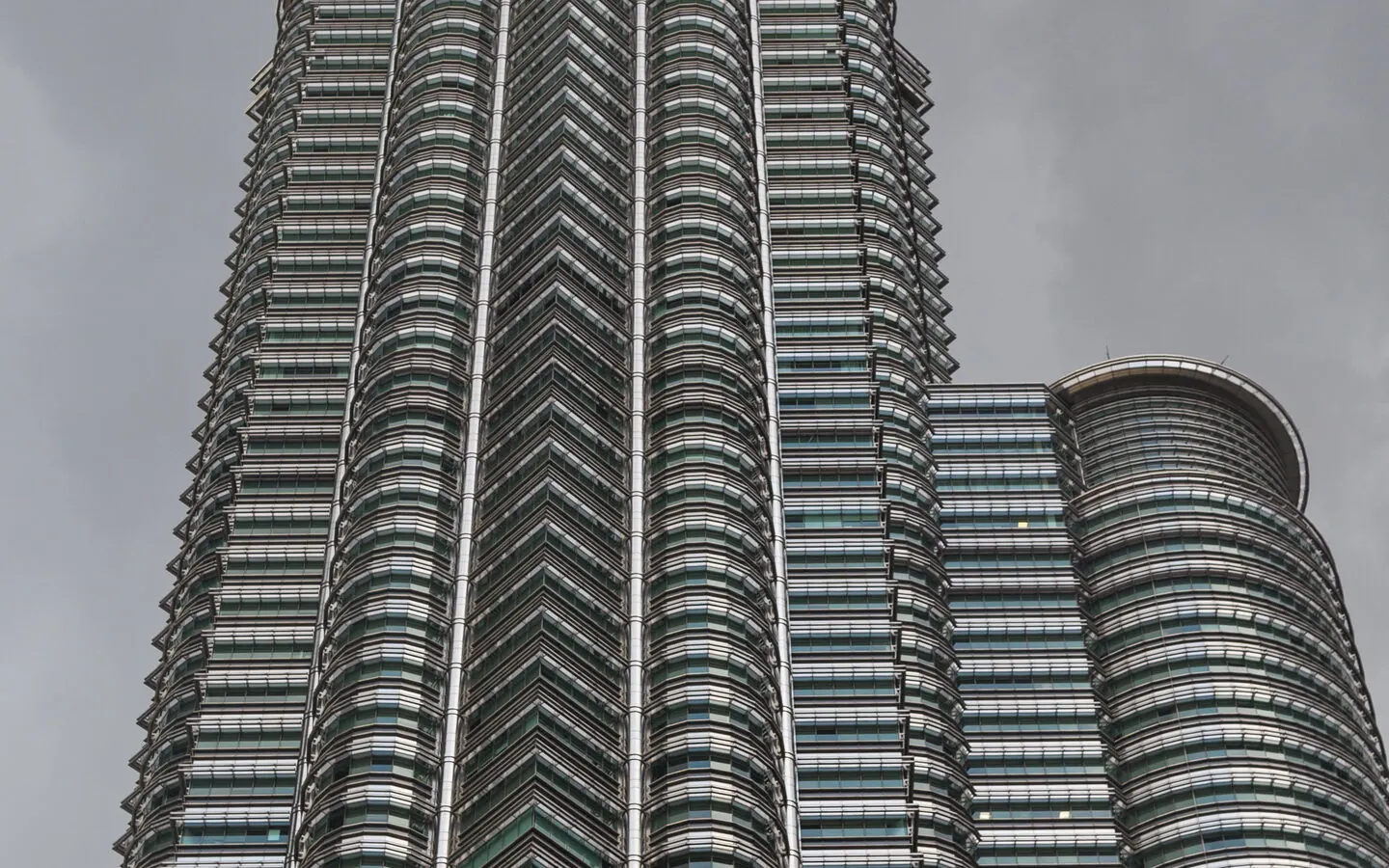
Malaysia Retirement Residency Options
Malaysia has no single universal “retirement visa.” The main long-stay framework is MM2H, but federal and East Malaysian programs are separate. Eligibility in one does not mean the same conditions or rights in another.
Federal MM2H Silver
Silver is the lowest standard federal tier. The official program currently requires a USD 150,000 fixed deposit at a licensed Malaysian financial institution, a one-off RM1,000 participation fee and a compulsory residence costing at least RM600,000. The pass is issued for five years and is renewable.
Up to 50% of the original deposit may be withdrawn after approval for authorized Malaysian property, medical, education or tourism purposes. The home generally cannot be sold for ten years except as part of an approved upgrade to a more expensive residence. Applicants age 50 or older currently have no federal minimum annual stay; younger participants generally face a 90-day cumulative requirement.
Federal MM2H Gold
Gold raises the fixed deposit to USD 500,000 and the compulsory home floor to RM1 million. The official category provides a fifteen-year renewable program term and a one-off RM3,000 participation fee. Up to half of the deposit can be withdrawn for approved purposes after approval.
The MM2H property floor does not override a higher foreign-purchase minimum imposed by the chosen state. A Gold participant buying in a state that requires RM2 million from foreign purchasers may need to meet the higher amount.
Federal MM2H Platinum
Platinum requires a USD 1 million fixed deposit, a residence of at least RM2 million and a one-off participation fee of RM200,000. It provides the longest published program term at twenty years and is the federal tier whose official benefits include permissible career and investment activities.
“Permissible” should not be read as exemption from company, labor, professional-license or tax law. Anyone planning to work should obtain category-specific written advice. Platinum also allows a qualifying foreign domestic helper.
Forest City SEZ/SFZ category
The Special Economic Zone or Special Financial Zone category is tied to Forest City in Johor. Applicants age 50 or older currently place USD 32,000 on fixed deposit; those age 21 to 49 place USD 65,000. The ten-year renewable route has a lower one-off participation fee but requires purchase of a qualifying Forest City residence at the price set under the development and Johor rules.
This route is geographically specific. It should be selected because Forest City suits the retiree—not simply because the deposit is smaller. Spend substantial time there, assess occupancy, transportation, healthcare, resale and community life, and understand the ten-year sale restriction.
Sarawak-MM2H
Sarawak controls its own immigration and offers a state program. S-MM2H has historically been more attainable than federal MM2H, with applicants generally age 50 or older demonstrating qualifying offshore income or pension and placing a ringgit fixed deposit. Limited younger pathways can apply through medical treatment or qualifying children’s education.
Sarawak requires a minimum annual physical presence in the state. The exact income, deposit, sponsor, property and stay rules have changed and must be taken from the current Sarawak ministry guidelines. It is best for someone genuinely attracted to Kuching, Miri or Sarawak life.
Sabah-MM2H
Sabah also has special immigration autonomy. Its state MM2H implementation and agent licensing have evolved. Anyone considering Kota Kinabalu, Sandakan or another Sabah base should obtain the current official checklist directly from Sabah’s tourism ministry and confirm whether applications are being accepted under the intended category.
Do not pay a peninsula-based agent that cannot prove Sabah authorization. Check age, fixed deposit, monthly income, property purchase, annual stay and dependant rules in writing.
Dependants, medicals and insurance
Federal MM2H can include a spouse, children under 21, qualifying single and unemployed children through age 34, medically certified disabled children, and parents or parents-in-law. Documents may require certification and translation. Medical examinations at appointed facilities and health insurance are part of approval and renewal.
Passport validity can shorten the pass endorsed in the passport, creating transfer or renewal steps. The federal program requires use of a MOTAC-licensed MM2H operator. Verify the company in the official agent directory and insist that government, participation, professional and property costs be separated in writing.
MM2H Route Comparison
| Route | Core capital | Property | Best fit |
|---|---|---|---|
| Federal Silver | USD150,000 fixed deposit | Compulsory; RM600,000+ and state rules | Standard federal access with moderate capital |
| Federal Gold | USD500,000 fixed deposit | Compulsory; RM1 million+ and state rules | Longer program term and higher budget |
| Federal Platinum | USD1 million fixed deposit | Compulsory; RM2 million+ | Very high net worth; business/career flexibility |
| Forest City SEZ | USD32,000 at 50+; USD65,000 at 21–49 | Compulsory in Forest City | People who genuinely want Forest City/Johor |
| Sarawak-MM2H | State income and deposit tests | State-specific and category-dependent | Kuching, Miri and Sarawak-focused retirees |
| Sabah-MM2H | State rules | State rules | Kota Kinabalu and Sabah-focused retirees |
Program rules change. Confirm every amount, stay requirement and property condition with the relevant government before applying.
Cost of Living in Malaysia
Daily life can be affordable, but MM2H capital requirements sit outside the monthly budget. A couple who already owns a qualifying home may spend far less than someone renting a luxury Kuala Lumpur apartment while maintaining the required purchased property.
| Monthly category for two | Value-oriented | Comfortable | Premium |
|---|---|---|---|
| Housing or carrying costs | RM1,800–3,000 | RM3,000–6,000 | RM6,000–14,000+ |
| Utilities, internet, phones | RM400–700 | RM700–1,100 | RM1,100–2,000 |
| Food and household | RM1,500–2,500 | RM2,500–4,000 | RM4,000–7,000 |
| Transport | RM500–1,000 | RM1,000–2,000 | RM2,000–4,000 |
| Healthcare and insurance | RM700–1,500 | RM1,500–3,500 | RM3,500–8,000+ |
| Leisure, help and travel reserve | RM1,100–2,000 | RM2,000–4,000 | RM4,000–8,000 |
| Illustrative total | RM6,000–10,000 | RM10,000–18,000 | RM18,000–40,000+ |
Planning ranges only. Exchange rates, insurance age, cars, property fees and location can materially change the outcome.
Budget separately for the fixed deposit, compulsory purchase, state consent fee, stamp duty, legal costs, agent fee, renovation, strata charges and reserve fund. The opportunity cost of a large U.S.-dollar deposit also matters. Compare after-tax interest and currency exposure rather than treating the deposit as costless.
Best Places to Retire in Malaysia
Kuala Lumpur
Kuala Lumpur offers Malaysia’s deepest private-hospital network, international flights, shopping and public transport. KLCC and Bukit Bintang are central and expensive; Mont Kiara is international and car-oriented; Bangsar has restaurants and character; Ampang offers embassy and hospital access; Petaling Jaya and Subang Jaya provide suburban services.
Select a home by walkability to rail, groceries and medical care. Traffic can turn a short map distance into a long trip. Condominiums should be checked for flood access, elevator redundancy, fire systems, sinking funds, short-term rentals and construction nearby.
Penang
Penang is a leading retirement choice because it combines strong private healthcare, famous food, heritage and an established international community. George Town offers culture and urban life; Gurney and Tanjung Tokong provide modern condos; Tanjung Bungah and Batu Ferringhi offer coastal living.
Traffic, hillside development, flooding and limited rail transit are drawbacks. Penang property thresholds differ between island and mainland and by property type. A beautiful sea-view unit can face salt corrosion, wind-driven rain and future construction.
Ipoh
Ipoh is attractive for value, food, limestone scenery and a slower pace. It has useful hospitals and rail links to Kuala Lumpur and Penang. English and Chinese dialects are common in many communities. The main compromises are heat, car dependence and a smaller international social scene.
Johor Bahru and Iskandar Malaysia
Johor Bahru suits retirees who value Singapore access, shopping and expanding infrastructure. Healthcare and housing choices are broad. Border congestion can be punishing, and Singapore proximity does not mean every neighborhood is walkable. Forest City requires a separate lifestyle judgment from central Johor Bahru.
Malacca
Historic Malacca provides heritage architecture, food and a manageable scale. It can be appealing for retirees who want lower costs and do not require a major international airport. Weekend tourism creates congestion, and specialist medicine may involve Kuala Lumpur.
Kuching
Kuching is Sarawak’s most popular retiree base: friendly, green, affordable and culturally diverse, with access to national parks and regional healthcare. It is quieter than Kuala Lumpur or Penang. Sarawak-MM2H can make it financially attractive, but annual presence and state-program rules must suit the plan.
Kota Kinabalu
Kota Kinabalu combines sea, islands, mountain access and an international airport. It offers private hospitals and a relaxed Borneo lifestyle. Housing and imported goods can be more expensive than expected, and complex medical care may require Kuala Lumpur or Singapore. Sabah-MM2H rules need direct verification.
Langkawi
Langkawi provides beaches, duty-free shopping and island calm. It suits healthy retirees who accept a smaller medical network and flight dependence. Test rainy-season life, transport and community depth before buying. Federal MM2H property requirements and Kedah foreign-purchase rules still matter.
Healthcare, Insurance and Aging
Malaysia’s private health sector is a central retirement advantage. Hospitals in Kuala Lumpur and Penang offer cardiology, oncology, orthopedics and advanced diagnostics. Johor Bahru, Malacca, Ipoh, Kuching and Kota Kinabalu provide solid regional care. English is widely used among specialists.
Private care is not free, and complex medicine can cost more than online examples suggest. Insurers may exclude existing diabetes, heart disease, cancer or joint problems, and new enrollment becomes harder with age. Compare annual limits, room-and-board caps, cancer coverage, dialysis, rehabilitation, outpatient drugs and guaranteed renewal.
Original U.S. Medicare generally does not cover care in Malaysia. Some retirees retain Medicare for future U.S. treatment while carrying international or Malaysian insurance. Keep a cash reserve for hospital deposits and clarify direct billing.
For aging in place, look for level access, elevators, backup power, bathrooms that can be adapted and proximity to an emergency department. Malaysia has home nursing and retirement communities, but clinical capability varies. Tour facilities, ask about night staffing and understand transfer arrangements.
Taxes and Foreign Income
Malaysia generally uses a territorial approach, but foreign-source income rules and exemptions have changed. Official MM2H materials state that incoming foreign funds or income and Malaysian fixed-deposit profits receive tax exemption under the program. A retiree should still distinguish program marketing language from the tax treatment of each pension, business distribution, rental receipt or capital gain.
Tax residence commonly begins around 182 days, with additional connecting and habitual-residence tests. A person with no federal minimum-stay requirement can still become resident by spending enough time in Malaysia. Conversely, a social visit pass does not itself make every receipt taxable or exempt.
Americans generally continue filing U.S. federal returns and reporting relevant Malaysian accounts. Other home countries have residence, exit and pension rules. Before moving large sums into the fixed deposit or buying property, coordinate advisers and preserve source-of-funds evidence.
Malaysia does not generally impose a broad annual wealth tax, and there is no general capital-gains tax on ordinary securities in the same form as many Western systems, but real property gains tax and transaction taxes can apply. Business and digital income need separate advice.
Property Purchase and Due Diligence
Land matters are governed by Malaysia’s states. Foreign minimum prices, eligible property types and approval charges differ. The federal MM2H minimum is only one layer; the state’s higher threshold controls where applicable.
Use an independent Malaysian conveyancing lawyer, not only the developer’s panel lawyer. Verify title, tenure, restrictions in interest, developer license, planning permission, strata title status, service charges, sinking fund, parking, defects, occupancy and litigation.
New development risk
New projects can offer incentives, but evaluate developer finances, completion history and realistic rental demand. Guaranteed rental returns depend on the guarantor. A glossy showroom does not establish resale liquidity, especially when MM2H restricts sale for ten years.
Subsale property
An existing unit allows inspection of management, residents, water leaks, elevator reliability and actual neighborhood conditions. Obtain management statements showing arrears and planned assessments. Confirm foreign acquisition consent before the contract becomes unconditional.
Flood and climate review
Ask residents and insurers about prior flooding, not only the seller. Check basement parking, access roads, drainage, hillside stability and water intrusion. Coastal properties need checks for salt corrosion and wind exposure.
Banking, Fixed Deposits and Currency
Federal MM2H fixed deposits must be held at qualifying licensed Malaysian institutions. Understand whether the account is in ringgit or foreign currency, interest rate, premature withdrawal rules, deposit insurance limits and documentation needed for the official lien or confirmation.
The ringgit can move against the dollar, pound, euro and Australian dollar. A USD-denominated program requirement does not eliminate currency risk in property and daily costs. Keep diversified liquidity outside Malaysia and do not place every emergency reserve into an account restricted by MM2H.
Bank account opening involves passport, pass, address, tax-residence and source-of-funds checks. Fraud is a serious concern: verify payment instructions through a second channel and never give one-time passwords to callers. Keep separate accounts for everyday spending and major transfers.
Daily Life, Culture and Transportation
Malaysia is majority Muslim and multicultural. Dress and alcohol norms vary between Kuala Lumpur, Penang, Kelantan, Sabah and Sarawak. Respect mosques, temples and churches, remove shoes where expected and avoid assuming one community represents the entire country.
Malay is the national language, but English is widely spoken in cities. Learning greetings, directions and food terms in Malay is appreciated. Mandarin, Cantonese, Hokkien, Tamil and indigenous languages can be locally important.
Kuala Lumpur’s rail system supports car-free living in selected corridors. Elsewhere, ride-hailing is useful but a car provides independence. Malaysia drives on the left. Obtain the correct Malaysian license or recognized permit and comprehensive insurance. Flooded roads should never be crossed casually.
Climate, Flooding, Haze and Health
Malaysia is hot and humid year-round. Rainfall patterns differ between west coast, east coast and Borneo. Northeast monsoon conditions can affect the east coast and islands, while intense urban storms can flood Kuala Lumpur, Penang and other cities.
Inspect air conditioning, mold, roof leaks, drainage, water pressure and backup power. Electricity use can be substantial. Mosquito-borne illnesses, including dengue, require prevention: screens, repellent and removal of standing water.
Haze from regional fires can raise particulate pollution. Monitor the official Air Pollutant Index, use HEPA filtration and adjust outdoor activity. People with asthma or cardiac disease should choose housing that can be sealed effectively.
Safety, Law and Common Scams
Malaysia is generally safe by regional standards, but bag snatching, pickpocketing, card fraud, online impersonation and investment scams occur. Use ride-hailing details, secure phones near roads and verify bank changes independently.
Drug penalties are severe. Some medications require documentation. Malaysia’s speech, religion, public-order and morality laws can differ sharply from Western expectations. Avoid political demonstrations and exercise care with online posts.
Travel advisories often identify maritime areas of eastern Sabah because of kidnapping or security risk. Conditions and geographic boundaries change, so consult the retiree’s government advisory before travel.
A 12-Month Malaysia Retirement Plan
- Months 12–10: Compare federal, Sarawak and Sabah programs against the place you truly want to live.
- Month 9: Calculate fixed deposit, property, fees and opportunity cost—not only monthly expenses.
- Month 8: Obtain cross-border tax and estate advice.
- Month 7: Price insurance at your age and identify target hospitals.
- Month 6: Scout Kuala Lumpur, Penang and one lower-cost or Borneo alternative.
- Month 5: Verify a federal agent in the MOTAC directory or use the correct state channel.
- Month 4: Prepare police, financial, civil, insurance and medical documents.
- Month 3: Arrange funds with source-of-funds records and currency planning.
- Month 2: Rent near services and begin independent property research.
- Month 1: Confirm entry, application and dependant steps.
- First 90 days: Complete medical, pass, bank and fixed-deposit formalities.
- Months 4–9: Test climate, traffic and hospitals while inspecting property.
- Months 10–12: Buy only after legal and building due diligence confirms compliance.
Common Mistakes
- Using an article describing the discontinued MM2H rules.
- Assuming federal, Sarawak and Sabah programs are interchangeable.
- Choosing Forest City only because its deposit is lower.
- Forgetting the compulsory federal property purchase.
- Ignoring a state foreign-buyer floor higher than the MM2H tier.
- Treating 50% deposit withdrawal as automatic cash access.
- Buying before testing flooding, traffic and hospital routes.
- Assuming MM2H creates permanent residence or citizenship.
- Underbudgeting insurance and future long-term care.
- Trusting an unlicensed agent or transferring funds to a personal account.
Is Malaysia Right for You?
Malaysia is especially strong for retirees who value English, private healthcare, food, infrastructure and Asian travel. It can be easier to navigate than many regional alternatives and offers communities ranging from sophisticated Kuala Lumpur to relaxed Kuching.
The current federal MM2H program is best for retirees comfortable committing substantial capital to both a fixed deposit and property. People wanting a lower-capital route should evaluate Sarawak, Sabah or other countries rather than forcing the wrong Malaysian program. The best decision begins with location, healthcare and lifestyle—not the visa alone.
Frequently Asked Questions
Can a foreigner retire in Malaysia?
Yes. Malaysia offers long-stay residence through the federal Malaysia My Second Home program and separate state-administered options associated with Sarawak and Sabah. These are renewable social visit passes rather than permanent residence. Each program has its own deposit, property, age, stay, insurance and application requirements.
What is MM2H?
Malaysia My Second Home, or MM2H, is a long-stay program providing approved participants a renewable social visit pass with multiple-entry permission. The current federal program has Platinum, Gold, Silver and Special Economic or Financial Zone categories. It is not citizenship, permanent residence or an automatic work permit.
What are the federal MM2H tiers?
The official federal overview currently lists a USD 150,000 fixed deposit and five-year pass for Silver, USD 500,000 and fifteen years for Gold, and USD 1 million and twenty years for Platinum. Each also requires a qualifying residential purchase, with official program minimums of RM600,000, RM1 million and RM2 million respectively. State property floors can be higher.
Is there a cheaper MM2H option?
The federal SEZ or SFZ category currently requires a lower fixed deposit—USD 32,000 for applicants age 50 or older and USD 65,000 for ages 21 to 49—but it is tied to buying a qualifying property in Forest City, Johor. It is not a low-cost pass that allows unrestricted property choice anywhere in Malaysia.
What is the minimum age?
Federal Silver, Gold and Platinum applicants must generally be at least 25. The SEZ or SFZ category begins at 21, with different deposits above and below age 50. Sarawak-MM2H generally centers on applicants age 50 or older, with limited younger exceptions. Verify the exact state rule before applying.
Is buying property compulsory under federal MM2H?
Yes. The current federal rules make residential purchase compulsory after approval. The program specifies minimum prices by tier and restricts sale for ten years except for an upgrade to a higher-value residence. The property must also satisfy the acquisition rules of the state or federal territory where it is located.
Can I withdraw the fixed deposit?
Federal MM2H currently allows withdrawal of up to 50% of the principal fixed deposit after approval for approved purposes such as a Malaysian residence, education, medical costs and tourism-related activities. Approval, evidence and minimum remaining balance rules apply. Do not withdraw first and request permission later.
Do retirees have to spend 90 days in Malaysia?
Under the current federal overview, participants age 50 or older have no minimum annual stay, while participants age 25 to 49 generally satisfy a cumulative 90-day requirement that can be fulfilled by the principal and qualifying dependants under the program rules. Sarawak and Sabah impose their own presence conditions.
Can I work on MM2H?
Federal Silver and Gold categories do not generally permit career or business activity, while the official Platinum category describes career and investment activity as permissible. Actual employment can still require immigration, labor, licensing and tax compliance. State programs have different limits. Obtain written approval before working.
Can I bring family?
Federal MM2H can include a spouse, qualifying children, disabled children without an age cap, and parents or parents-in-law. Children age 21 through 34 must generally be single and unemployed in Malaysia. Platinum can include a foreign domestic helper. Every dependant needs documentation, medical examination, insurance and passport validity.
What is Sarawak-MM2H?
Sarawak-MM2H is administered by Sarawak and is distinct from federal MM2H. It generally offers a lower financial threshold and requires participants to spend a minimum period in Sarawak each year. Eligibility, income or pension, fixed deposit, property and sponsor or agent requirements should be verified directly with the Sarawak ministry.
Can Sarawak-MM2H holders live in Kuala Lumpur?
The Sarawak pass is connected to Sarawak, and its annual presence requirement must be satisfied there. Holders can travel elsewhere in Malaysia subject to immigration rules, but it should not be treated as a substitute for federal MM2H by someone who intends to base entirely in Kuala Lumpur or Penang. Confirm current interstate residence expectations before applying.
What is Sabah-MM2H?
Sabah operates a state program under its own immigration authority and licensing system. Requirements and implementation have evolved. Applicants interested in Kota Kinabalu or other Sabah locations should use the Sabah ministry’s current written guidelines and a state-licensed agent rather than assuming federal or Sarawak conditions apply.
Does MM2H lead to permanent residence?
No automatic path exists. Years on MM2H do not by themselves guarantee permanent residence or citizenship. Malaysia applies separate and restrictive criteria for permanent residence and naturalization. Plan on maintaining a renewable long-stay pass rather than expecting conversion.
Will Malaysia tax my foreign pension?
Malaysia has historically used a territorial system and has provided exemptions for certain foreign-source income received by resident individuals, while MM2H materials also describe tax exemption for incoming foreign funds and fixed-deposit profits. Tax law, exemption periods and classifications can change. Pension, annuity, business, rental and investment income should be reviewed individually.
When am I a Malaysian tax resident?
Tax residence often depends on days present and linking rules, with 182 days a familiar threshold, but Malaysia has additional tests that can connect adjacent years or habitual residence. Visa status does not decide tax residence by itself. Keep travel records and consult a Malaysian adviser.
Can foreigners buy property?
Yes, subject to state consent, minimum price thresholds, property type restrictions and the federal MM2H tier requirement. Land is a state matter, so rules differ across Kuala Lumpur, Penang, Selangor, Johor, Sabah and Sarawak. Foreigners are commonly barred from low-cost, Malay-reserved or Bumiputera-designated property.
Can I buy freehold property?
Foreigners can buy eligible freehold or leasehold property when state rules and price thresholds are satisfied. Freehold describes tenure, not exemption from state consent, MM2H conditions, strata rules or taxes. A lawyer should confirm title category, restrictions in interest and foreign eligibility.
Should I rent before buying?
Yes, even though federal MM2H eventually requires a purchase. Use the post-approval compliance window wisely and rent while comparing neighborhoods, buildings and state thresholds. Test traffic, flooding, construction, management quality and hospital access before committing to a property that may not be sold for ten years under program terms.
How good is healthcare?
Malaysia has strong private hospitals in Kuala Lumpur, Penang, Johor Bahru, Malacca and Kota Kinabalu, with many English-speaking clinicians. Everyday and elective care can offer good value. Highly complex cases may still prompt treatment in Kuala Lumpur, Singapore or another regional center. Insurance and hospital deposits remain important.
Does Medicare cover Malaysia?
Original U.S. Medicare generally does not cover routine medical care in Malaysia. Some supplemental products offer limited emergency benefits but are not long-term resident insurance. Compare international and Malaysian private policies, paying close attention to age limits, renewal, pre-existing conditions and evacuation.
How much does a retired couple need?
A couple can plan roughly RM6,000–10,000 per month for a comfortable locally oriented life outside premium districts, RM10,000–18,000 for modern urban living with private insurance, and RM18,000 or more for luxury housing, imported preferences and frequent travel. MM2H deposits and required property are separate capital costs.
Where is the best place to retire?
Penang is a favorite for food, healthcare and established expat life. Kuala Lumpur offers the deepest hospitals, transit and flights. Ipoh provides value and a slower pace. Johor Bahru offers Singapore access. Malacca has heritage and manageable scale. Kota Kinabalu and Kuching provide Borneo lifestyles under different state-program considerations.
Is Malaysia safe?
Malaysia is generally manageable, but bag snatching, online scams, card fraud, burglary and road crashes occur. Flooding and haze are recurring environmental risks. Parts of eastern Sabah have special maritime security warnings. Monitor official advisories and use normal urban precautions.
Do I need a car?
Central Kuala Lumpur can be practical with MRT, LRT, monorail, rail and ride-hailing. George Town, Ipoh, Johor Bahru, Kuching and Kota Kinabalu are more car-dependent outside selected neighborhoods. Malaysia drives on the left. Long-term residents should obtain the correct local license and insurance.
Can I bring a pet?
Malaysia permits pet imports subject to permits, microchip, vaccination, veterinary certification and quarantine rules that vary by origin and destination. Sabah and Sarawak can have additional controls. Condominiums may prohibit or restrict pets even when import is legal. Confirm both government and building rules before shipping.
What happens to my assets when I die?
Malaysian succession, probate, property title, religion and family status can affect the result. Non-Muslim and Muslim estates follow different frameworks, and Islamic inheritance rules can be important. Coordinate a Malaysian will with wills elsewhere, nominate beneficiaries where permitted and plan for the MM2H principal’s death and dependant transfer rules.
Is Malaysia welcoming to LGBTQ+ retirees?
Malaysia criminalizes same-sex sexual activity and offers limited legal protection. Social enforcement and attitudes differ by location, but legal and privacy risks are materially greater than in many Western destinations. LGBTQ+ retirees should review current government and human-rights guidance and make a careful personal risk assessment.
What languages are spoken?
Malay is the national language. English is widely used in cities, private healthcare, law, banking and business. Mandarin, Cantonese, Hokkien, Tamil and many indigenous languages are also common. A retiree can function in English in major centers, but basic Malay improves daily life and relationships.
What is haze season?
Regional forest and peat fires can create periods of unhealthy air, often during drier months but not on a fixed schedule. Conditions vary by year and region. Retirees with respiratory or cardiac disease should track the Air Pollutant Index, use HEPA filtration and maintain medication plans.
Official and Practical Resources
- Official federal Malaysia My Second Home portal
- Official licensed MM2H operators
- Sarawak Ministry of Tourism, Creative Industry and Performing Arts
- Sabah Ministry of Tourism, Culture and Environment
- Inland Revenue Board of Malaysia
- Immigration Department of Malaysia
- U.S. State Department: Malaysia
- U.S. Embassy in Malaysia
Explore More Retirement Guides
Continue comparing destinations in the Investing Travels retirement series:
Americas
- Retiring in Argentina
- Retiring in Belize
- Retiring in Bolivia
- Retiring in Brazil
- Retiring in Chile
- Retiring in Colombia
- Retiring in Costa Rica
- Retiring in Dominican Republic
- Retiring in Ecuador
- Retiring in El Salvador
- Retiring in Guatemala
- Retiring in Honduras
- Retiring in Mexico
- Retiring in Nicaragua
- Retiring in Panama
- Retiring in Peru
- Retiring in Uruguay
Europe
Retirement Guides by CountryTags: Malaysia retirement, retire in Malaysia, retiring in Malaysia, moving to Malaysia, Malaysia expat guide, MM2H, Malaysia My Second Home, Sarawak MM2H, Sabah MM2H, Kuala Lumpur retirement, Penang retirement, Malaysia healthcare, Malaysia cost of living, retirement in Asia, retirement abroad