Retiring in Honduras can mean waking beside the Caribbean in Roatán, living near Maya ruins in Copán Ruinas, or choosing a cooler mainland town where everyday expenses may be lower. The country offers remarkable scenery and genuine value, but it is not a carefree bargain destination. Security, healthcare, infrastructure, residency paperwork and hurricane exposure require more planning than in many competing retirement countries.
The best candidates are independent retirees who speak—or intend to learn—Spanish, can tolerate uneven services and are willing to choose a neighborhood carefully. This guide gives you the framework for a scouting trip and professional consultations. Immigration, tax and property rules change; verify current requirements before acting.
Retiring in Honduras at a Glance
Why retirees consider Honduras
- Caribbean water, diving and reef access
- Lower local-service and housing costs in many mainland areas
- Direct air links from the United States
- Established expatriate communities on Roatán
- Mountains, lakes, colonial towns and Maya history
Main compromises
- Serious crime risk in parts of the country
- Limited advanced medical care outside major cities
- Hurricanes, flooding, landslides and power interruptions
- Spanish is essential for mainland administration
- Property-title and coastal-ownership complexity
Understanding Honduras Before You Move
Honduras occupies the center of northern Central America, with a long Caribbean coast, a short Pacific coast and borders with Guatemala, El Salvador and Nicaragua. Mountains divide the mainland into regions that can feel surprisingly different. The Bay Islands—Roatán, Utila and Guanaja—sit offshore in the Caribbean and have a stronger English-speaking and Afro-Caribbean influence.
The climate is tropical at low elevations. Highland towns are cooler, especially at night, while Roatán is warm and humid throughout the year. Rain patterns vary. Hurricane season officially runs from June through November, but flooding and landslides can occur outside a direct hurricane strike. Spend time in your intended location during both dry and wet seasons.
Honduran culture is family-centered and social. Courtesy, patience and personal relationships matter. Mainland daily life functions primarily in Spanish. English is more common on Roatán and in tourism, but legal documents, utilities, medical conversations and government processes may still require Spanish.
Honduras Retirement Residency Options
Honduras has residence categories commonly described as pensionado for pension recipients and rentista for people supported by stable non-employment income. Published secondary sources commonly cite US$1,500 monthly for pensionado applicants and US$2,500 monthly for rentistas. Treat these numbers as planning estimates—not as a guaranteed current rule. Ask the National Migration Institute or a licensed Honduran attorney for a written, dated checklist.
Pensionado residence
This route is generally designed for applicants receiving a permanent pension from abroad, such as Social Security, a government pension or an employer retirement plan. Expect to prove the source, amount and ongoing nature of the payment. A bank statement by itself may not establish that income is a lifetime pension.
Retirees often need an apostilled birth certificate, an apostilled police or criminal-record certificate, a valid passport, photographs, medical documentation, proof of pension income and local application forms. Married applicants may need an apostilled marriage certificate. Documents not in Spanish can require an approved translation. Validity windows matter, so do not order everything too early.
Rentista residence
The rentista category is generally based on stable foreign income from sources such as investments, rents, trusts or similar non-employment arrangements. Applicants should be ready to document both the amount and its reliability. A portfolio balance is not necessarily the same as recurring qualifying income.
Other paths
Family relationships, employment, investment or business activity may create other residence options. They carry different rights and obligations. Retirement residence should never be used as a substitute for work authorization. If you expect to manage rentals, provide paid services or operate a local enterprise, obtain advice on immigration, tax, licensing and corporate compliance together.
Entry Rules and the CA-4 Limit
The U.S. State Department states that U.S. tourists do not need a visa for stays of 90 days or less and need a return or onward ticket. A passport should have at least six months of validity beyond arrival and a blank page. Honduras participates in the CA-4 border-control arrangement with Guatemala, El Salvador and Nicaragua. Traveling among those countries does not necessarily reset your visitor time.
Do not build a retirement plan around repeated border runs. Overstays can produce fines and complications. Use a scouting visit to test locations, then apply through the proper residence route. Entry stamps and permitted-stay dates should be checked before leaving the airport or border post.
Taxes and Financial Planning
Honduras generally applies a territorial approach centered on Honduran-source income, but residency, business activity, rental property, work performed locally and the way foreign income is received can change the analysis. A retiree may still owe U.S. federal tax and reporting obligations while living abroad. U.S. citizens are taxed on worldwide income and may have FBAR, FATCA or other reporting duties.
Before moving, ask a cross-border tax professional to classify your pension, Social Security, dividends, capital gains, remote-work income and rental income. Coordinate that advice with Honduran counsel. Do not assume that holding money in a U.S. account automatically removes Honduran tax exposure.
Maintain at least two ways to access money. Cards work in major cities, larger towns and Roatán, but cash remains important. ATMs can fail, charge high fees or create security exposure. Use machines inside banks or secure commercial locations during daylight, and avoid displaying cash.
Cost of Living in Honduras
Honduras can be inexpensive, but expatriate life is not uniformly cheap. Imported food, vehicles, air-conditioning, backup power, island freight, private healthcare and flights can erase much of the apparent savings. Roatán is usually more expensive than mainland towns because many goods arrive by sea or air.
| Monthly item | Mainland planning range | Roatán planning range |
|---|---|---|
| Rent, one- or two-bedroom | US$400–$900 | US$700–$1,600+ |
| Utilities and internet | US$120–$280 | US$180–$450 |
| Groceries and household | US$300–$600 | US$450–$800 |
| Local transport | US$100–$350 | US$150–$450 |
| Private healthcare reserve | US$150–$500+ | US$200–$600+ |
| Comfortable couple total | US$1,800–$3,200+ | US$2,600–$4,800+ |
These are planning ranges, not promises. Beachfront housing, frequent restaurants, imported brands and private vehicles push spending higher. Build an annual budget for flights, residence renewals, insurance, dental work, appliance replacement, generator maintenance and hurricane preparation.
Best Places to Retire in Honduras
Roatán
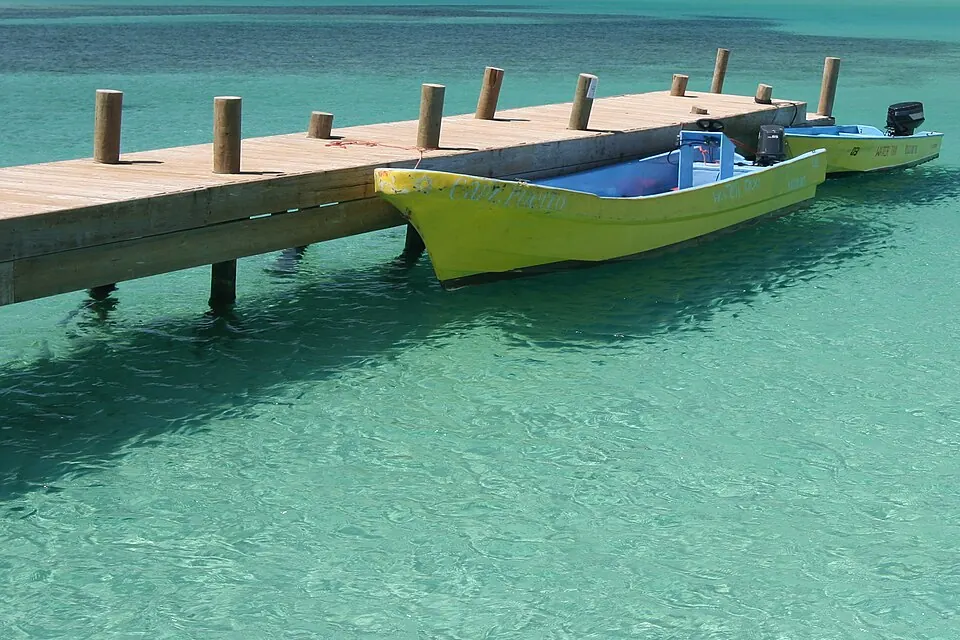
Roatán offers the easiest landing for many English-speaking retirees. West Bay has polished resorts and an excellent beach; West End is walkable and social; Sandy Bay is quieter; French Harbour and the east side offer different combinations of services, privacy and local life. The island has an international airport, diving, restaurants and established expatriate networks.
The tradeoffs are real: electricity and internet interruptions, expensive imports, narrow roads, storm exposure and limited complex medical care. Select a home by drainage, road access, construction quality, generator arrangements and distance to medical help—not by the sunset alone.
Copán Ruinas
This attractive western town combines cobblestone streets, cafés and access to the Copán archaeological site. Its elevation is more comfortable than the coast, and the pace is slower. It suits history lovers and retirees who want community rather than beach life. Specialist healthcare and international-airport access require planning.
Lake Yojoa and Peña Blanca
The lake region appeals to birders, gardeners and retirees who prefer green scenery and cooler nights. Housing can offer strong value, but vehicle access, healthcare distance, water quality and wet-season road conditions should be investigated carefully.
Comayagua
Comayagua has colonial architecture, practical shopping and access to Palmerola International Airport. It may suit retirees who want mainland services without living in the largest cities. Heat, traffic, neighborhood security and specialist-care access still vary.
Tegucigalpa and San Pedro Sula
The two largest urban centers provide hospitals, specialists, shopping and business services. They also present difficult traffic and more serious location-specific security concerns. A retiree choosing either city needs trusted local guidance, secure housing, reliable transport and a disciplined route plan.
La Ceiba and the north coast
La Ceiba is a gateway to the Bay Islands and nearby national parks. It offers Caribbean culture and mainland prices, but crime, flooding, heat and healthcare limitations require neighborhood-level research. Never infer safety from a broad city label.
Healthcare and Medical Evacuation
Private clinics in Tegucigalpa and San Pedro Sula can handle many routine and urgent needs. Options narrow in smaller towns and on the islands. The State Department warns that injured travelers may need to reach a major city and that first responders may not reach remote areas quickly.
Original Medicare generally does not cover routine treatment abroad. A practical plan combines local primary care, international insurance, medical-evacuation coverage and cash or available credit for deposits. Confirm where you would go for stroke, cardiac, cancer, orthopedic and intensive-care emergencies. If the answer requires a flight, know who arranges it and what triggers coverage.
Bring prescription medicines in original packaging with copies of prescriptions. Check local availability before moving. Heat, dengue and other mosquito-borne illnesses, water quality, road injuries and diving-related risk deserve attention. Divers on the Bay Islands should identify current recompression-chamber access and insurance terms.
Safety: A Retirement Decision, Not a Footnote
The U.S. State Department currently rates Honduras Level 3—Reconsider Travel—because of crime and terrorism, and lists Gracias a Dios as Level 4—Do Not Travel. Violent crime, robbery, kidnapping and extortion occur, and local authorities may have limited response capacity. U.S. government personnel are restricted from intercity travel after dark.
This does not mean every retirement community has the same risk. It means a successful move requires more than generic reassurance. Ask residents about specific roads, hours and blocks. Use secure parking and doors, avoid visible jewelry, vary routines, use trusted drivers after airport arrivals and do not resist a robbery. Avoid demonstrations and monitor embassy alerts.
Retirees should also plan for ordinary hazards: unsafe driving, poor lighting, stray animals, uneven sidewalks, unreliable emergency response and remote-water activities. Test how a neighborhood feels after dark without walking around to prove a point.
Buying Property in Honduras
Foreigners can acquire many Honduran properties, but the constitution restricts foreign ownership within specified distances of borders and coastlines. Tourism developments and Honduran corporate structures may provide lawful routes in some areas, but the details are too important for informal advice. Bay Islands property deserves particular care.
Hire an independent attorney who represents only you. Verify the registry record, chain of title, survey boundaries, liens, taxes, building permits, road and beach access, utility rights and any occupants. Confirm that the structure used is lawful for you and understand corporate maintenance and tax obligations. Never send a deposit because an agent says the title is “in process.”
Inspect for drainage, termites, salt corrosion, roof condition, cistern capacity, septic design, generator connection and hurricane shutters. Insurance may exclude flood, wind or unfinished buildings. Renting first is usually the best protection against buying the wrong lifestyle.
Infrastructure and Daily Life
Internet quality varies by street and provider. Remote workers should test actual speeds at the property during busy hours and keep a mobile-data backup. Power failures make surge protection, battery systems or generators valuable. Water may be intermittent; cisterns and filtration are common considerations.
Imported vehicles and parts can be costly. On Roatán, road width and maintenance are as important as vehicle size. On the mainland, do not plan long drives after dark. Domestic flights and ferries are useful but weather can disrupt them.
Spanish changes the experience. Even on Roatán, learning it improves healthcare, contracts, government appointments and relationships. Bring patience to administrative tasks and avoid comparing every process unfavorably with the United States.
Hurricanes, Flooding and Resilience
Honduras has endured destructive hurricanes and tropical storms. The Bay Islands and Caribbean coast face wind and storm surge; river valleys and mountain communities face flooding and landslides. Before renting or buying, ask what happened during past storms and inspect the escape route.
Maintain water, medicines, lighting, batteries, cash, food and copies of documents. Know where shutters are stored and who installs them. Keep passports accessible, vehicles fueled and an evacuation reserve. A generator is useful only if safely installed, maintained and supplied with fuel.
A 12-Month Honduras Retirement Plan
- Months 12–10: Define healthcare, climate, airport, language and security requirements. Compare Honduras with Belize, Costa Rica and Panama.
- Months 9–8: Make a scouting trip to two or three contrasting locations. Stay in residential neighborhoods and test transport, internet and clinics.
- Month 7: Obtain current written pensionado and rentista requirements. Interview independent immigration, tax and property professionals.
- Month 6: Build a realistic budget with insurance, evacuation, flights, backup power and an emergency fund.
- Month 5: Order time-sensitive civil and police documents, apostilles and translations in the sequence your attorney confirms.
- Month 4: Choose a long-term rental. Do not buy remotely. Arrange international medical and evacuation coverage.
- Month 3: Simplify possessions, confirm pet-import rules, establish two banking methods and digitize records.
- Month 2: Set up mail, prescriptions, tax recordkeeping and a communication plan for storms and emergencies.
- Month 1: Confirm entry documents, onward travel, airport transfer and temporary accommodation.
- First 90 days: File or advance the residence process, meet doctors, test rainy-day logistics and avoid major purchases.
- Months 4–6: Review the location after living through normal routines. Change neighborhoods if necessary.
- Months 7–12: Decide whether Honduras is a permanent fit. Consider purchasing only after full legal and physical due diligence.
Common Mistakes
- Choosing a property on vacation emotion rather than year-round logistics.
- Assuming the Bay Islands and mainland have the same costs or culture.
- Treating a commonly quoted income threshold as an official current guarantee.
- Driving between cities after dark.
- Buying coastal property without independent legal review.
- Relying on Medicare or ordinary travel insurance for long-term care.
- Underbudgeting air-conditioning, imported food, flights and backup power.
- Moving without Spanish or a plan to learn it.
Who Will Thrive—and Who May Not
Honduras can reward adaptable retirees who value nature, warm relationships and a less standardized lifestyle. It is strongest for people with emergency savings, private insurance, practical Spanish and comfort solving problems locally.
It may be a poor fit for anyone who needs frequent advanced medical care, expects predictable utilities, dislikes security precautions or wants to conduct every task in English. A beautiful rental and a low restaurant bill cannot compensate for a location that fails your healthcare or safety needs.
Frequently Asked Questions
Can a U.S. citizen retire in Honduras?
Yes. U.S. citizens can visit Honduras without a tourist visa for stays of up to 90 days and may apply for an appropriate Honduran residence category when eligible. Retirement applicants should confirm current documentary and income requirements with the National Migration Institute and a Honduran immigration attorney.
What is the Honduras pensionado income requirement?
The commonly cited threshold for pensionado residence is US$1,500 per month in permanent foreign pension income. Rules, evidence standards, fees and dependent requirements can change, so obtain a current written checklist before ordering apostilles or transferring money.
What is the difference between pensionado and rentista residence?
Pensionado status is generally based on lifetime pension income, while rentista status is generally based on stable income from investments, rents or other non-employment sources. The commonly cited rentista threshold is US$2,500 per month. Applicants should verify current rules directly.
Can retirees work in Honduras?
A retirement-based residence category should not be assumed to include unrestricted permission for local employment. Business ownership, professional work and paid activity can require separate tax, corporate, licensing or work authorization.
Is Honduras safe for retirees?
Safety varies sharply by neighborhood and route. The U.S. Department of State currently rates Honduras Level 3—Reconsider Travel—because of crime and terrorism, and lists Gracias a Dios as Level 4. Retirees need location-specific advice, secure transport and a plan that avoids intercity driving after dark.
Is Roatán safer than mainland Honduras?
Roatán has established tourism and expatriate communities, but theft, robbery, road hazards and limited emergency capacity still matter. Island conditions should be evaluated by neighborhood rather than treated as automatically safe.
Can foreigners buy property in Honduras?
Foreigners can buy many properties, but constitutional restrictions apply near borders and coastlines, with special legal structures and exceptions sometimes used in tourism zones. Never rely on a seller’s explanation; hire an independent Honduran attorney to confirm title and eligibility.
Does Medicare cover healthcare in Honduras?
Original Medicare generally does not pay for routine care outside the United States. Private international medical insurance and evacuation coverage are important because advanced or emergency care may require transfer to another country.
What are the best places to retire in Honduras?
Roatán is the leading choice for Caribbean island life; Copán Ruinas suits history and cooler highland living; Lake Yojoa offers nature; Comayagua offers colonial character and airport access; Tegucigalpa and San Pedro Sula provide more specialists but carry greater urban-security concerns.
How long can Americans visit Honduras without a visa?
The U.S. State Department says no tourist visa is required for stays of 90 days or less, and travelers need a return or onward ticket. Honduras participates in the CA-4 area, so time spent in neighboring member countries may count toward the shared allowance.
Is Honduras vulnerable to hurricanes?
Yes. The Caribbean coast and Bay Islands face hurricanes, tropical storms, heavy rain and storm surge, while mountainous areas can experience flooding and landslides. A retirement budget should include resilient housing, insurance where available, backup power and evacuation funds.
Should I rent before buying in Honduras?
Yes. Renting for six to twelve months allows you to experience rainy season, island logistics, security, healthcare access, utilities and neighborhood noise before accepting title and resale risk.
Official and Practical Resources
- Honduras National Migration Institute
- U.S. State Department Honduras advisory and country information
- U.S. Embassy in Honduras
- CDC traveler health information for Honduras
- Honduras Revenue Administration Service
Explore More Retirement Guides
Compare Honduras with every completed Investing Travels retirement guide:
Americas
Europe and all destinations
Browse all published and upcoming destinations.
Retirement Guides by CountryTags: Honduras retirement, retire in Honduras, retiring in Honduras, moving to Honduras, Honduras expat guide, Honduras pensionado visa, Honduras rentista residency, Roatán retirement, Honduras healthcare, Honduras cost of living, retirement abroad