Retiring in Guatemala can place you among volcanic lakes, Maya markets, coffee-covered highlands and one of the most beautiful colonial cities in the Americas. The country is often called the Land of Eternal Spring because many highland communities remain pleasantly mild while nearby lowlands offer tropical warmth.
Guatemala is also a country where the retirement experience changes dramatically by neighborhood and elevation. A courtyard home in Antigua, a hillside rental above Lake Atitlán and an apartment near a private hospital in Guatemala City involve different climates, medical access, security and budgets. The strongest plan starts with those practical differences—not with a property listing.
Guatemala Retirement at a Glance
| Planning question | Practical answer |
|---|---|
| Tourist entry for U.S. citizens | No tourist visa generally required; admission up to 90 days and an electronic immigration/customs declaration |
| Retirement residence | Permanent residence as a pensioner or rentista for qualifying applicants |
| Current reported income | US$1,250 monthly plus US$300 for each dependent; verify before filing |
| Tax framework | Territorial taxation focused on Guatemalan-source income; 183-day residence rules can matter |
| Healthcare | Best private hospitals and specialists in Guatemala City; medical evacuation important elsewhere |
| Property | Foreign ownership generally possible, with restrictions and careful title review required |
| Language | Spanish nationally, alongside 20-plus Maya languages and Garifuna/Xinca heritage |
Why Retire in Guatemala?
Guatemala’s appeal begins with variety. Within a relatively compact country, retirees can choose cobbled streets, highland cities, lakeside villages, Caribbean waterways, Pacific beaches and tropical forest. Flights connect Guatemala City with major North American hubs, while road travel opens weekend access to markets, ruins, volcanoes and coffee country.
Everyday life can be less expensive than in the United States, Canada or much of Europe, especially when a household rents long term, buys seasonal food and lives outside the highest-demand parts of Antigua. Spanish schools, local markets and community organizations offer natural ways to build a routine rather than remaining inside an expat bubble.
Reasons retirees choose Guatemala
- Mild highland climates and tropical alternatives
- Exceptional Maya and colonial cultural heritage
- Affordable rent, services and local food
- Established foreign communities in Antigua and Lake Atitlán
- Permanent residence route for qualified pensioners and rentistas
- Direct regional and North American flight connections
- Strong private medical options in Guatemala City
Challenges to take seriously
- Level 3 U.S. travel advisory with specific Level 4 areas
- Uneven medical and emergency capacity outside the capital
- Traffic, road safety and limited safe public transport
- Earthquakes, volcanoes, landslides and tropical storms
- Title, boundary and informal-property risks
- Rainy-season mold, access and infrastructure problems
- Spanish needed for independent living
Geography, History and Cultural Life
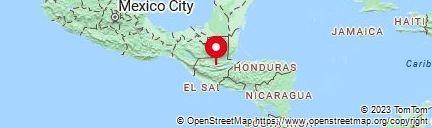
Guatemala borders Mexico, Belize, Honduras and El Salvador, with coastlines on the Pacific and Caribbean. It is roughly the size of Tennessee, yet elevation creates dramatic microclimates. Volcán Tajumulco reaches 4,220 meters, while the Caribbean and Pacific lowlands remain humid and hot. Guatemala City sits at altitude; Antigua and Lake Atitlán enjoy cooler nights; Quetzaltenango can feel genuinely cold after sunset.
The country was a heartland of Maya civilization, whose cities, calendars, mathematics, art and languages continue to shape national identity. Tikal rose as one of the ancient world’s important urban centers. Spanish conquest in the 1500s imposed new political, religious and economic structures, but Maya communities preserved distinct languages, clothing, agriculture and spiritual practices.
Guatemala became independent from Spain in 1821 and later left the Federal Republic of Central America. A 36-year internal armed conflict ended with peace accords in 1996, leaving social and institutional wounds that still influence land, inequality and politics. Retirees should approach this history with humility, especially when living near Indigenous communities or considering land.
Spanish is the official national language, while the country recognizes a remarkable range of Maya languages as well as Garifuna and Xinca heritage. Textiles, marimba music, processions, markets and food traditions vary by region. Semana Santa in Antigua, giant kites in Sumpango and town patron-saint festivals are community traditions, not simply tourist performances.
Learn functional Spanish before moving. A retiree needs it for physicians, pharmacies, immigration, banking, tradespeople and neighbors. In Maya-majority areas, Spanish may itself be a second language, so patience and respect matter. Ask before photographing people, ceremonies or textiles.
Climate and the Best Time for a Scouting Trip
Guatemala generally has a dry season from November through April and a rainy season from May through October, although local patterns differ. The dry months bring easier road travel and sunny mornings, making them attractive for a first visit. They can also conceal the weaknesses that matter to homeowners: leaking roofs, blocked drains, unstable slopes, mold and roads that become difficult during downpours.
A proper retirement test includes both seasons. Visit during the comfortable dry season to understand daily life, then return during rainy months before signing a long lease or purchasing. Ask whether a property has water storage, backup power, roof maintenance, ventilation and safe vehicle access.
Climate comfort is personal. Antigua combines warm days and cooler nights. Lake Atitlán varies by village, slope and wind exposure. Quetzaltenango is much cooler. Guatemala City is mild but can have poor air and severe traffic. Coastal and jungle destinations are hotter, wetter and more mosquito-prone.
Pensioner and Rentista Residence in Guatemala
Guatemala offers permanent residence to qualifying pensioners and rentistas. Current legal reporting describes a minimum monthly income of US$1,250 plus US$300 for each dependent. Earlier online articles may contain lower numbers or describe temporary residence first, so confirm the current rule directly with the Instituto Guatemalteco de Migración before ordering documents.
A pensioner normally proves a stable lifetime or qualifying pension from abroad. A rentista proves reliable income from investments, rentals or another accepted source. The classification of an annuity, Social Security benefit, disability payment or investment distribution should be confirmed before filing. The name and amount on the evidence must align with the application.
Common application documents
- Valid passport and certified copies
- Recent photograph and migration application
- Birth certificate and marriage certificate when applicable
- Police or criminal-record certificates from relevant countries
- Official pension or recurring-income certification
- Proof that required income is transferred or available as instructed
- Apostilles or consular legalization for foreign public documents
- Spanish translations by an accepted translator
- Evidence and extra income for dependents
- Government fee receipts and local contact details
Document age limits matter. Do not obtain police certificates and apostilles until a professional confirms the filing window. Resolve name discrepancies across birth records, marriage records and passports. Keep a scanned copy of every page and receipt, and use an independent lawyer with a written fee agreement.
Permanent residence does not eliminate administrative duties. Ask about registration, address changes, annual income proof, extended absences, renewals of identity documents and any obligation to maintain transfers. Residence does not automatically authorize every regulated profession or business activity.
Tourist Entry, CA-4 and Testing the Country First
U.S. citizens generally do not need a tourist visa and may be admitted for up to 90 days. Guatemala currently requires an electronic immigration and customs declaration for entry and exit. Admission remains discretionary, and travelers should carry a valid passport, onward travel and an address.
The CA-4 arrangement links Guatemala, El Salvador, Honduras and Nicaragua for many travelers. The 90-day period may be shared across the region rather than restarted at each border. Do not build retirement around endless border runs. Seek a lawful extension or residence and keep proof of every entry and application.
A scouting stay should be treated like a simulation. Rent a normal apartment, buy groceries, use pharmacies, test internet, attend a medical consultation and travel to the airport at the hour you would actually use it. Spend less time evaluating restaurants and more time measuring noise, hills, stairs and emergency access.
Taxes and Financial Planning
Guatemala generally uses territorial taxation, focusing on Guatemalan-source income. That can be favorable for foreign retirement income, but it is not a blanket promise that every foreign payment is exempt. Compensation for services performed in Guatemala, local rental income, Guatemalan business activity and some investment returns can be taxable.
An individual can become tax resident after spending more than 183 days in Guatemala during a calendar year, even if the days are not consecutive. Residence status, income source and rate are separate questions. Obtain written advice that lists each pension, brokerage account, rental, company, remote-work activity and gain.
Guatemala does not appear on the IRS list of U.S. income-tax treaties. U.S. citizens and resident aliens generally remain subject to U.S. worldwide reporting. Foreign-bank-account reports, Form 8938, state domicile and foreign business reporting may apply. Territorial tax in Guatemala does not cancel U.S. filing.
Keep most investment assets diversified outside Guatemala, maintain two unrelated cards and preserve a home-country account. Local banking can simplify rent and bills, but ask about minimums, transfer documentation, fees and online access. The quetzal is the national currency, while U.S. dollars may be exchanged at banks; damaged notes can be refused.
Cost of Living in Guatemala
Guatemala can support a comfortable retirement below typical U.S. costs, but the gap narrows when a household chooses premium Antigua housing, imported groceries, international insurance, a private vehicle and frequent flights. Lakefront views and modern construction carry their own premium.
| Monthly category for two | Planning range (US$) | What changes it |
|---|---|---|
| Long-term rent | $650–$1,800+ | Antigua center, lake view, furnishings, security and parking |
| Utilities and internet | $140–$350 | Hot water system, dryer use, backup power and internet quality |
| Food and household goods | $450–$900 | Markets and local products versus imported brands |
| Transport | $180–$700 | Walking and vetted shuttles versus a private car and driver |
| Healthcare and insurance | $250–$1,200+ | Age, exclusions, international network and evacuation cover |
| Leisure and household help | $250–$700 | Restaurants, tours, language classes and domestic help |
| Emergency/travel reserve | $200–$500 | Flights home, evacuation and temporary relocation |
A locally oriented couple outside premium zones might plan around US$1,900–$3,000 monthly. A household in central Antigua or an upscale Guatemala City district, with international insurance, a car and regular travel, may spend US$3,000–$5,000 or more. Use these as planning ranges rather than live quotations.
First-year costs include deposits, furniture, residence fees, apostilles, translation, legal support, insurance underwriting and home setup. Keep a separate emergency reserve sufficient for two international tickets, several weeks of accommodation and a major medical deductible.
Best Places to Retire in Guatemala
Antigua Guatemala
Antigua is the easiest cultural landing point for many foreign retirees. It offers Spanish schools, restaurants, markets, walkability and a well-established international community beneath three volcanoes. The historic center is beautiful but brings cobblestones, tourism, festival noise and premium rents. Older courtyard homes require seismic, roof, moisture and accessibility inspections.
Lake Atitlán
Lake Atitlán combines volcanic scenery with distinct Maya towns. Panajachel has the broadest services and road connections; San Pedro has a younger international scene; San Marcos emphasizes wellness; smaller villages offer deeper immersion and greater isolation. Boat dependence, steep paths, water quality, algae, landslides and emergency transfer times should shape the decision.
Guatemala City
The capital is the practical choice for major private hospitals, specialists, international flights, shopping and professional services. Zones 10, 14, 15 and 16 are often considered by foreign residents, but security and traffic vary within short distances. Choose an apartment based on daily routes to hospitals and groceries. Avoid Zone 18 and Villa Nueva under the current Level 4 warning.
Quetzaltenango
Known as Xela, Quetzaltenango offers cooler weather, universities, Spanish study and a more local city experience. Housing can be less expensive than Antigua, but evenings are cold, sidewalks uneven and advanced medical options thinner. It suits retirees who want urban services without a tourist-centered lifestyle.
Cobán and Alta Verapaz
Cobán is green, humid and surrounded by coffee country, caves and cloud forest. It offers a strong regional center but less international infrastructure. Persistent rain, mold, road disruption and specialist-care travel are important considerations.
Rio Dulce and the Caribbean
Rio Dulce attracts sailors and nature lovers with marinas and waterways leading toward Livingston. The environment is tropical and logistically different from the highlands. Heat, humidity, hurricanes, insects and limited complex healthcare make it better for independent, healthy retirees with evacuation cover.
| Location | Best for | Main compromise | Healthcare plan |
|---|---|---|---|
| Antigua | Culture, walkability, expat network | Premium costs, tourism, cobblestones | Local routine care; capital for specialists |
| Lake Atitlán | Scenery and village community | Boats, hills, landslides, isolation | Plan transfer to capital |
| Guatemala City | Specialists, flights and services | Traffic and security variation | Strongest private network |
| Quetzaltenango | Cool climate and local immersion | Cold nights and fewer specialists | Regional care plus capital referrals |
| Cobán | Nature and cooler greenery | Rain, road access and mold | Evacuation plan |
| Rio Dulce | Boating and tropical nature | Heat, storms and isolation | Medical evacuation essential |
Famous Places and Retirement-Season Adventures
Tikal’s temples rise above the Petén rainforest and belong on any Guatemala list, but heat and long transfers require planning. Antigua’s churches, ruins and Holy Week carpets can be part of ordinary life rather than a one-time tour. Lake Atitlán offers village markets, weaving cooperatives, kayaking and guided hiking.
Other major destinations include the turquoise pools of Semuc Champey, the market at Chichicastenango, coffee farms around Cobán and Antigua, the Rio Dulce gorge, Garifuna culture in Livingston and Pacific black-sand beaches. Volcano hikes should be taken with qualified guides because robbery, weather and rescue limits can turn a simple outing into an emergency.
Retirement makes slower travel possible. Visit midweek, learn the historical context, hire community-based guides and avoid treating sacred sites or traditional clothing as props. Outdoor activity also needs an honest assessment of altitude, knees, balance and cardiac health.
Healthcare, Insurance and Healthy Living
Guatemala City has private hospitals, laboratories and specialists capable of handling many complex needs. Antigua and larger regional cities provide useful routine and urgent care, but the range narrows rapidly outside urban centers. A retiree with cancer surveillance, cardiac disease, dialysis or complicated medication needs should identify named physicians and facilities before choosing a town.
Private providers often expect payment before treatment, even when an insurer later reimburses the patient. Carry a card with a useful limit and a separate medical cash reserve. Original Medicare and Medicaid generally do not cover Guatemala. International policies should be checked for age limits, pre-existing conditions, direct billing, prescriptions, evacuation destination and repatriation.
CDC guidance recommends travelers review routine immunizations and destination-specific protection such as hepatitis A and typhoid; malaria prevention may be appropriate in certain areas. Dengue and other mosquito-borne illness require screens, repellent and standing-water control. Advice depends on itinerary and health, so use a travel-medicine clinician rather than a generic list.
Do not assume tap water is safe. Use sealed bottled, properly boiled or effectively filtered water and maintain household filters. Be cautious with ice, raw produce and unpasteurized foods until you understand the source. At altitude, increase activity gradually and recognize that older adults can dehydrate without feeling intense thirst.
Renting and Buying Property
Renting for at least six to twelve months is the safest first step. Guatemala’s seasons, neighborhood security and road access cannot be understood from a holiday. A rental also gives time to complete residence, compare areas and learn realistic maintenance costs.
Foreigners can generally own property, but Guatemala’s constitution restricts ownership by non-Guatemalans within specified distances of borders and coastlines, with exceptions that require professional interpretation. Indigenous communal rights, informal possession and unregistered subdivisions create additional complexity.
Use an independent lawyer—not the seller’s lawyer or broker—to search the General Property Registry, trace ownership, identify mortgages and litigation, verify tax status, compare cadastral boundaries, confirm access and utilities, check building permits and determine who occupies the land. A notarial deed alone does not replace due diligence.
- Commission a survey tied to visible boundary markers.
- Check earthquake resistance, retaining walls, drainage, roof and moisture.
- Confirm legal road access and year-round vehicle access.
- Investigate municipal water schedule, storage and wastewater.
- Verify condominium rules, fees, reserves and pending assessments.
- Do not buy possession rights or rely on promises to register later.
- Never transfer a large deposit without independently verified terms and escrow protections.
Safety, Transportation and Emergency Planning
The U.S. State Department currently rates Guatemala Level 3—Reconsider Travel—because of crime and terrorism. It lists San Marcos Department, Huehuetenango Department, Zone 18 in Guatemala City and Villa Nueva at Level 4—Do Not Travel. The designation must be read in full rather than reduced to a label.
Robbery, carjacking, extortion, assault and homicide occur, and investigation or conviction rates can be low. Use secure housing, avoid displaying wealth, carry limited cash and use trusted transportation. Do not use white taxis or “chicken buses.” Airport taxis from an authorized stand, hotel transportation, vetted drivers and established app-based services are safer choices.
Avoid intercity driving after dark. Mountain roads may have poor lighting, landslides, animals and slow emergency response. GPS can choose a technically shorter but unsafe route. Volcanoes and isolated trails should be visited with qualified guides.
ASISTUR and tourist police assist in popular destinations including Antigua, Lake Atitlán, Tikal, Quetzaltenango, Puerto Barrios and Cobán. Current advisory information lists 1500, +502-2290-2810 and WhatsApp +502-5188-1819. Confirm them after arrival. General emergency medical service is 110; response may be limited in rural areas.
Daily Life, Community and Inclusivity
Markets and neighborhood shops can make daily life social and affordable. Supermarkets and pharmacies are widely available in cities, while imported or specialized products become less predictable in smaller towns. Internet can be strong in developed areas but should be tested at the actual address; keep mobile data as backup.
International communities are easiest to find in Antigua, Panajachel, San Pedro and selected Guatemala City neighborhoods. Spanish classes, volunteering, churches, hiking groups and cultural organizations provide a route into community. Avoid making foreign residents your only network; trusted local relationships are invaluable in emergencies and daily problem solving.
Guatemala is ethnically and linguistically diverse, but inequality and discrimination remain serious. Indigenous identity should not be reduced to colorful markets. Respect local authority, community land and photography preferences. Foreign retirees should pay fairly, understand worker obligations and avoid using economic power to bypass community decisions.
Same-sex relations are legal, but national anti-discrimination protection is limited and social attitudes can be conservative. Current U.S. guidance notes that LGBTQ people may face discrimination or police abuse. Couples and solo retirees should research the specific community rather than assuming the experience in Antigua applies nationally.
Aging in Place and Estate Planning
Cobblestones, steep lake paths and multi-level colonial homes become harder with age. Choose housing with a bedroom and bathroom on the entry level, safe handrails, vehicle access and space for a caregiver. Measure distance in travel time during traffic or rain, not kilometers.
Domestic help may be affordable, but household assistance is not skilled nursing. Ask who will manage medications, mobility or dementia. Identify a backup caregiver and create a plan for transfer to Guatemala City or return to the home country.
Prepare Guatemalan and home-country wills, powers of attorney and healthcare directives with qualified counsel. Cross-border property, companies and heirs can create probate conflicts. Keep translated medical summaries and an emergency folder with passports, residence documents, insurance, doctors, medications, bank contacts and family instructions.
A 12-Month Move Plan
| Timing | Action | Decision point |
|---|---|---|
| 12–10 months | Review safety advisory, residence category, insurance and three possible locations | Can you accept location-specific security and transport constraints? |
| 10–8 months | Take a dry-season scouting trip and visit hospitals, banks and ordinary rentals | Does daily life work without vacation conveniences? |
| 8–6 months | Get immigration and cross-border tax advice; inventory health needs | Does income qualify and can insurance cover existing conditions? |
| 6–4 months | Return during rainy season; collect apostilled documents only after confirming validity periods | Does the preferred home remain accessible and dry? |
| 4–2 months | Sign a long rental, preserve outside banking and arrange transport | Can you reverse the move without selling major assets? |
| Move month | Arrive lightly, confirm stamp, organize application receipts and register emergency contacts | Are documents, funds and communication redundant? |
| Months 1–6 | Establish doctors, Spanish instruction, utilities and community | Can the location support a medical emergency? |
| Months 7–12 | Review taxes, residence compliance and actual budget before considering a purchase | Would you choose the same area after both seasons? |
Common mistakes
- Using an old income threshold without confirming the current IGM rule.
- Confusing Guatemala residence with applying for a U.S. immigrant visa.
- Buying property during a first Antigua or lake vacation.
- Selecting an isolated village without a hospital-transfer plan.
- Driving unfamiliar highways after dark.
- Assuming a 90-day CA-4 period restarts at every border.
- Relying on Medicare or a credit card’s limited travel benefit.
- Ignoring rainy-season access, mold, landslides and drainage.
- Keeping all savings or liquidity inside Guatemala.
- Failing to learn enough Spanish for medical and legal decisions.
Is Guatemala Right for Your Retirement?
Guatemala can be an excellent match for adaptable retirees who value culture, language learning, mountain climates and a lower-cost lifestyle. It is especially appealing to people willing to rent, build local relationships and use Guatemala City for advanced medicine.
It is less suitable for someone who requires highly predictable public security, cannot manage uneven walking surfaces, needs frequent advanced medical treatment or wants to depend on informal property documents. A low monthly budget should never be achieved by eliminating insurance, emergency transport or safe housing.
The wisest next step is a long rental in the location that best matches medical and mobility needs. Compare Guatemala with Nicaragua, Costa Rica, Mexico, Colombia and other destinations through the complete retirement guide directory.
Frequently Asked Questions
Can a U.S. citizen retire in Guatemala?
Yes. U.S. citizens may visit without a tourist visa for up to 90 days, subject to admission, and Guatemala offers permanent residence for qualifying pensioners and rentistas. Visiting and residence are separate processes.
How much income is required for Guatemala pensionado residency?
Current legal reporting describes a minimum of US$1,250 per month plus US$300 for each dependent. Immigration rules and evidence requirements can change, so confirm the figure and acceptable pension or income documents directly with the Guatemalan Migration Institute before filing.
Is Guatemala safe for retirees?
Safety depends heavily on location, transport and behavior. The U.S. advisory is Level 3—Reconsider Travel—because of crime and terrorism, with Level 4 warnings for San Marcos, Huehuetenango, Zone 18 of Guatemala City and Villa Nueva. Read the complete advisory and choose neighborhoods carefully.
What are the best places to retire in Guatemala?
Antigua offers colonial character and strong services; Lake Atitlán offers scenery and established international communities; Guatemala City provides the best specialist healthcare; Quetzaltenango offers a cooler climate and local city life; and the Rio Dulce area appeals to boaters but is more medically isolated.
Does Guatemala tax foreign pension income?
Guatemala generally applies a territorial tax system to Guatemalan-source income, but residence and source rules are technical. Services performed in Guatemala, local rent or business activity may create tax even when payment comes from abroad. Get advice on each income stream.
Is there a U.S.–Guatemala income-tax treaty?
Guatemala does not appear on the IRS list of U.S. income-tax treaties. U.S. citizens and resident aliens generally continue filing U.S. returns on worldwide income, and foreign-account reporting may apply.
Can foreigners buy property in Guatemala?
Foreigners can generally buy titled property, although constitutional restrictions apply near borders, coastlines and certain state areas. Independent title, registry, boundary, access and municipal due diligence is essential, especially where possession or communal rights are involved.
Does buying property provide Guatemalan residency?
No. Real-estate ownership does not itself create a right to live in Guatemala. Immigration residence must be obtained through a qualifying category.
Does Medicare cover healthcare in Guatemala?
Original Medicare and Medicaid generally do not cover care in Guatemala. Private facilities may demand payment before treatment, so retirees need local or international insurance, accessible funds and medical-evacuation coverage.
Can I drink tap water in Guatemala?
Tap-water safety is inconsistent and should not be assumed. Many residents use sealed bottled, properly filtered or boiled water for drinking and food preparation. Confirm the source and maintenance of any household filtration system.
Do I need a car in Guatemala?
Not necessarily in central Antigua or selected Guatemala City neighborhoods, but a car or trusted driver helps elsewhere. Night driving, public buses, white taxis, poor lighting and mountain roads add risk. Use vetted transport and avoid unfamiliar intercity driving after dark.
When is the best time to scout Guatemala?
The dry season, roughly November through April, is easiest for travel. A serious retirement decision should also include part of the rainy season, when drainage, landslides, roof leaks, mold, road access and lake conditions become clearer.
Official and Planning Resources
- Guatemalan Migration Institute
- U.S. State Department Guatemala advisory
- U.S. Embassy in Guatemala
- Embassy of Guatemala in the United States
- CDC Guatemala traveler health
- Guatemala Tax Administration (SAT)
- General Property Registry
- Guatemala Tourism Institute
- IRS income-tax treaty list
Explore More Retirement Guides
Compare Guatemala with every completed guide:
Americas
Europe and all destinations
Browse published and upcoming destinations in the main directory.
Retirement Guides by CountryTags: Guatemala retirement, retire in Guatemala, retiring in Guatemala, moving to Guatemala, Guatemala expat guide, Guatemala pensionado, Guatemala rentista, Guatemala residency, Antigua Guatemala retirement, Lake Atitlán retirement, Guatemala healthcare, Guatemala cost of living, retirement abroad