Retiring in the Dominican Republic offers an appealing combination: Caribbean beaches, direct flights from North America, modern private hospitals, lively cities and communities where foreign retirees already know how to settle in. It can also offer excellent value—but only when you plan for private healthcare, tropical utilities, traffic, property due diligence and hurricane exposure.
This is a country with far more variety than an all-inclusive resort suggests. Las Terrenas feels cosmopolitan and beach-focused; Santo Domingo is an energetic capital; Santiago offers urban services with easier access to the Cibao; Jarabacoa provides mountain air; and the north coast attracts active retirees and watersports enthusiasts. The right retirement begins with choosing the right micro-location.
Retiring in the Dominican Republic at a Glance
Why retirees choose it
- Frequent flights to the United States and Canada
- Caribbean beaches and year-round outdoor life
- Private hospitals in major population centers
- Large choice of cities, beach towns and mountains
- Foreigners may generally own real estate directly
- Established international communities
Main compromises
- Spanish is important for real integration
- Traffic and road safety can be stressful
- Power and water interruptions vary by area
- Hurricanes, flooding and storm surge
- Property and pre-construction diligence is essential
- Imported lifestyles reduce cost savings
Life Beyond the Resort
The Dominican Republic occupies the eastern portion of Hispaniola. Its north coast faces the Atlantic and its south coast faces the Caribbean. The Cordillera Central creates cooler highland communities, including Jarabacoa and Constanza. Rainfall, waves and hurricane exposure vary substantially by coast and season.
Dominican life is social, musical and family-centered. Baseball, merengue and bachata are part of the national identity, while regional food, festivals and neighborhood relationships create a sense of place. Retirees who learn Spanish generally gain better medical communication, stronger friendships and more negotiating confidence.
Infrastructure ranges from luxury resort developments with generators and managed water to neighborhoods where outages are routine. Do not evaluate only the apartment. Ask how electricity is billed, whether the building has backup power, where water is stored, how garbage is collected, what happens during heavy rain and how quickly roads drain.
Dominican Republic Retirement Residency
Law 171-07 created incentives for pensioners and rentiers receiving income from foreign sources. The pensionado route commonly requires at least US$1,500 per month in qualifying foreign pension income. The rentista route commonly requires at least US$2,000 per month in stable foreign-source income, generally supported for the period required by the law. Additional income may be required for dependents.
Thresholds are only the beginning. Applicants must prove the nature and continuity of the income. A permanent Social Security or employer pension letter differs from an investment account that can be depleted. Rentistas may need contracts, bank records or certifications that establish reliable qualifying income.
The two-stage process
Applicants generally begin outside the country by applying for a Residence Visa (RS) through a Dominican consulate. After entering with the proper visa, they complete the residence application through the General Directorate of Migration. Do not assume you can enter as a tourist and convert status without following the consular step.
Typical documents include a valid passport, long-form birth certificate, criminal-record certificate, pension or rentista income certification, marriage documents when applicable, photographs, medical examinations and proof of the residence visa. Foreign documents normally need apostille or legalization and Spanish translation. Requirements, validity windows and fees change; use a current DGM checklist.
Law 171-07 incentives
Qualifying participants may access expedited residence and tax or customs incentives involving household goods, a vehicle and certain foreign-source income. Benefits are not automatic merely because someone is retired. Eligibility, timing, vehicle rules, asset classification and filing procedures should be confirmed before shipping goods or purchasing a car.
Tourist Entry and E-Ticket
Entry procedures depend on nationality and trip purpose. Travelers generally complete the Dominican electronic entry and exit form. Airlines can enforce passport and onward-travel rules. Tourist stays are not a substitute for residence, and overstay charges do not create legal resident status.
Use a scouting trip to compare communities, but begin the proper residence process if you plan to live in the country. Keep copies of entry records, passport pages and every migration receipt.
Taxes and Cross-Border Planning
Dominican tax residence and the taxation of foreign income require individualized advice. The country’s system includes source rules and provisions that can bring certain foreign investment income into scope after a residence period, while Law 171-07 offers incentives to qualifying pensionados and rentistas. The details matter.
U.S. citizens remain subject to U.S. federal tax filing on worldwide income. Foreign bank and financial-account reporting may also apply. Before moving, have both sides classify Social Security, pensions, dividends, capital gains, rental income and any consulting work.
The Dominican peso can move against the U.S. dollar. Keep an emergency reserve in a stable currency, but budget in pesos for local reality. Use more than one bank or card, understand ATM limits, and avoid carrying visible cash.
Cost of Living
The Dominican Republic can cost much less than many U.S. coastal markets, but the final number depends on location and expectations. Local produce, domestic services and non-tourist rent may be affordable. Imported groceries, beachfront condominiums, air-conditioning, private schools, vehicles and resort restaurants are not.
| Monthly category | Practical planning range |
|---|---|
| One- or two-bedroom rent | US$650–$1,800+ |
| Electricity, water, gas and internet | US$180–$450+ |
| Groceries and household supplies | US$400–$800 |
| Transport | US$150–$600 |
| Healthcare and insurance reserve | US$150–$600+ |
| Comfortable couple total | US$2,200–$4,500+ |
Air-conditioning is often the budget surprise because electricity can be expensive. Ask to see twelve months of power bills for any long-term rental or purchase. Condominium maintenance fees, generator fuel, security, pool upkeep and special assessments also matter.
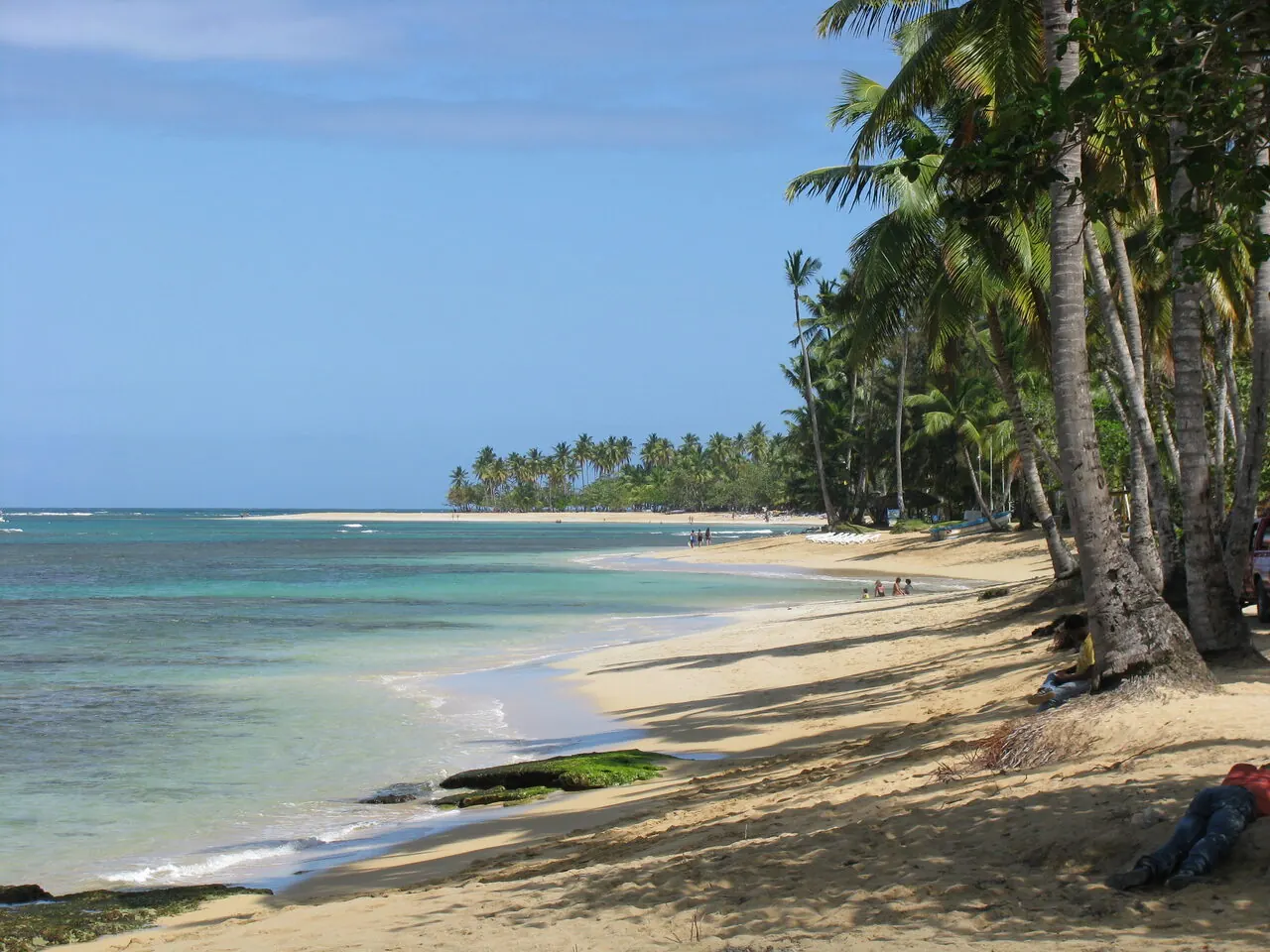
Best Places to Retire in the Dominican Republic
Las Terrenas
Las Terrenas is one of the country’s most international beach communities. French, Italian, North American and Dominican influences support a strong restaurant scene, supermarkets and property market. Beaches are close, and the Samaná Peninsula offers waterfalls, whale watching and tropical scenery.
Road traffic, rapid development, drainage, title quality and access to advanced medical care require attention. Some homes feel walkable on vacation but depend on a car or motorbike for everyday errands.
Cabarete and Sosúa
Cabarete suits active retirees who enjoy kiteboarding, water sports and a social beachfront. Sosúa offers a larger established foreign community and practical services. Both provide access to Puerto Plata airport. Neighborhood quality, noise, beach erosion, nightlife and security vary block by block.
Puerto Plata
Puerto Plata is a working city rather than only a resort. It provides hospitals, shopping, an international airport and access to north-coast beaches. Retirees may find better value than in resort enclaves, but should evaluate traffic, flooding and security carefully.
Punta Cana, Bávaro and Cap Cana
This eastern tourism zone offers modern developments, direct flights, private clinics, golf and managed communities. It is one of the easiest places for newcomers who want organized amenities. Prices, maintenance fees and dependence on resort-style infrastructure can be high, and some neighborhoods are not walkable.
Santo Domingo
The capital offers the deepest selection of specialists, hospitals, culture, restaurants and government services. Piantini, Naco, Bella Vista and other areas attract foreign residents, but rents and traffic can be substantial. Choose for proximity: crossing the city for every appointment quickly becomes exhausting.
Santiago
Santiago combines urban medical care, shopping and an international airport with easier access to the Cibao region and mountain towns. It suits retirees who prefer a Dominican city experience to a resort community. It is hot, busy and primarily Spanish-speaking.
Jarabacoa and Constanza
The central highlands offer cooler nights, mountain views and gardens. Jarabacoa is more accessible and has a growing lifestyle market; Constanza is quieter and agriculturally oriented. Specialist healthcare, road travel and heavy-rain conditions should be tested.
La Romana and Casa de Campo
La Romana provides urban services and airport access, while Casa de Campo offers a high-end managed environment with golf, marina and security. The experience can be polished but expensive and less integrated with ordinary Dominican life.
Healthcare and Insurance
Private healthcare is concentrated in Santo Domingo, Santiago and larger tourism centers. Modern hospitals can provide good care, but capability and English-language support vary. Small beach towns may handle routine needs while referring complex cases to a major city.
Original Medicare generally does not cover ordinary treatment abroad. Many retirees combine a Dominican private plan with self-pay funds and international evacuation coverage. Age limits, waiting periods, exclusions and provider networks deserve close review. Confirm whether your preferred hospital bills the insurer directly or requires payment first.
Map emergency care before signing a lease. Ask where ambulances originate, how long the drive takes in traffic and where a stroke, cardiac emergency or serious fracture would be treated. Bring medication records and verify local availability rather than assuming the same brand or dosage is stocked.
Buying Property
Foreigners generally may buy Dominican real estate without residency or a local partner. That accessibility does not make every transaction safe. The country has a title-registration system, but buyers still encounter unregistered interests, survey conflicts, unpaid charges, permit problems and aggressive pre-construction marketing.
Hire an independent attorney who does not represent the seller or developer. Verify the certificate of title, owner identity, liens, cadastral survey, property-tax status, condominium obligations, construction permits and the authority of anyone signing. For pre-construction, review land ownership, escrow arrangements, delivery remedies, specifications and developer history.
Budget for transfer tax, legal fees, registry expenses and ongoing property tax when applicable. Some tourism projects receive CONFOTUR incentives, but confirm that the specific unit and transaction qualify. Do not accept a salesperson’s summary as tax advice.
Inspect generators, inverters, cisterns, pumps, septic systems, shutters, drainage, concrete cracking, salt corrosion and insurance availability. Beachfront beauty can come with high maintenance and storm risk. Rent first and observe at least one rainy season.
Safety, Driving and Scams
The main risks for many retirees are theft, robbery, traffic collisions and fraud rather than the resort image or a national statistic. Avoid displaying jewelry, phones or cash; use trusted transport at night; keep car doors locked; and choose homes with appropriate lighting and access control.
Driving is fast and unpredictable. Motorcycles may pass on either side, road markings can be weak and nighttime visibility poor. New residents should avoid unnecessary night driving until they understand local patterns. Pedestrians need equal caution.
Real-estate, romance, investment and identity scams target foreigners. Slow down any transaction involving urgency, cash, informal title or a promise that legal review is unnecessary. A legitimate opportunity survives independent verification.
Hurricanes, Flooding and Utilities
Atlantic hurricane season runs from June through November. Even storms that do not make direct landfall can bring heavy rain, flooding, wind damage and outages. Coastal buyers should understand storm surge, while hillside buyers should evaluate slope and drainage.
Keep water, medicines, flashlights, batteries, cash and document copies. Learn how the building generator and water system operate and who maintains them. Confirm what insurance covers—wind, flood and contents are not always included together.
A 12-Month Move Plan
- Months 12–10: Define healthcare, climate, airport, budget and community requirements.
- Months 9–8: Scout at least three contrasting places and stay outside a resort.
- Month 7: Obtain current pensionado or rentista checklists from the consulate and DGM.
- Month 6: Consult Dominican and home-country tax advisers; price insurance and evacuation.
- Month 5: Order civil and police documents, apostilles and translations in the required sequence.
- Month 4: Choose a six- to twelve-month rental and verify power, water and internet.
- Month 3: Apply for the proper residence visa; create digital and paper document files.
- Month 2: Arrange prescriptions, banking, mail and emergency contacts.
- Month 1: Confirm E-Ticket, entry documents, airport transfer and temporary accommodation.
- First 90 days: Complete residence steps, establish doctors and learn daily transport.
- Months 4–6: Experience rain, outages and ordinary—not vacation—life.
- Months 7–12: Decide whether to remain, change locations or begin property due diligence.
Common Mistakes
- Buying on the first vacation.
- Assuming a property purchase automatically grants residence.
- Underestimating electricity and condominium fees.
- Using the seller’s attorney as the buyer’s only adviser.
- Choosing a remote beach without an emergency-care plan.
- Ignoring rainy-season flooding and road access.
- Relying on English for every medical and legal interaction.
- Shipping possessions before confirming incentive procedures.
Aging in Place and Long-Term Support
A beach town that works at age sixty may become difficult after a mobility change. Look beyond today’s lifestyle. Check stairs, elevator reliability, bathroom access, uneven sidewalks, grocery delivery, home nursing, rehabilitation and the distance to specialists. Ask what happens when a caregiver is sick or a building loses power.
Domestic help may cost less than in the United States, but skill, supervision, background checks and continuity vary. Families should document medical wishes, powers of attorney, emergency contacts and access to funds. Review whether legal documents prepared abroad are recognized locally. Keep a current medication list in Spanish and English, and establish a trusted person who can accompany you during hospitalization.
Long-term planning may ultimately involve returning home or moving closer to a major Dominican hospital. Preserve enough liquidity for that choice rather than placing every dollar into real estate.
Is It Right for You?
The Dominican Republic works best for retirees who want energy, warm weather, frequent flights and a range of lifestyle choices. It rewards Spanish learning, patience and community involvement. It may be less suitable for someone who needs highly predictable utilities, dislikes traffic or requires frequent advanced medical care near home.
The smartest decision is reversible: visit, rent, test healthcare and live through ordinary routines before buying. A successful retirement is built around access, relationships and resilience—not simply the lowest listing price.
Frequently Asked Questions
Can a U.S. citizen retire in the Dominican Republic?
Yes. U.S. citizens can visit under Dominican entry rules and may pursue residence when they qualify. Pensionado and rentista applicants normally begin with a residence visa through a Dominican consulate and complete the residence process with the General Directorate of Migration.
How much pension income is required?
Law 171-07 establishes a commonly cited minimum foreign pension of US$1,500 per month for the principal pensionado applicant, with an additional amount for dependents. Confirm current amounts and documentation with the Dominican consulate and Migration before applying.
How much income does a rentista need?
The commonly cited minimum is US$2,000 per month from qualifying foreign-source rent or investment income, generally documented as stable for the period required by law. The exact proof matters as much as the amount.
Does buying property automatically provide residence?
No. Foreigners may buy property without becoming residents. A qualifying investment of at least the official threshold may support an investor-residence application when properly registered, but an ordinary home purchase does not automatically grant residence or citizenship.
Can foreigners buy real estate?
Yes. Foreigners generally have the same right to purchase real estate as Dominicans, without a residence requirement. Independent title, survey, tax, condominium and permit review remains essential.
Does Medicare work in the Dominican Republic?
Original Medicare generally does not cover routine treatment in the Dominican Republic. Retirees commonly use local private insurance, international coverage or self-pay arrangements, with medical evacuation insurance for complex emergencies.
What are the best places to retire?
Popular choices include Las Terrenas, Cabarete, Sosúa, Puerto Plata, Punta Cana and Bávaro, Santo Domingo, Santiago, Jarabacoa and Casa de Campo or La Romana. The right choice depends on healthcare, airport access, budget, climate and preferred community.
Is the Dominican Republic safe for retirees?
Many retirees live successfully in the country, but robbery, theft, traffic danger, fraud and neighborhood-level crime require precautions. Use secure transport, avoid displaying wealth and assess each neighborhood after dark with trusted local guidance.
How much does retirement cost?
A couple may plan roughly US$2,200–$4,500 per month depending on location and lifestyle. Resort communities, imported food, air-conditioning, private healthcare, vehicles and beachfront rent can push costs higher.
Are foreign pensions taxed?
Law 171-07 offers important incentives to qualifying pensionados and rentistas, but tax residence and income classification are technical. U.S. citizens also retain U.S. filing duties. Obtain coordinated Dominican and U.S. tax advice.
Should I rent before buying?
Yes. Renting for six to twelve months lets you test electricity, water, road noise, flood risk, medical access, condominium management and the character of a neighborhood outside vacation season.
When is hurricane season?
Atlantic hurricane season runs from June through November. Retirees should choose resilient housing, understand flood and storm-surge exposure, keep emergency supplies and maintain an evacuation and communications plan.
Official and Practical Resources
- Dominican Republic General Directorate of Migration
- Ministry of Foreign Affairs and consular information
- Official Dominican E-Ticket
- Dominican Internal Revenue Directorate
- U.S. Embassy in the Dominican Republic
Explore More Retirement Guides
Compare the Dominican Republic with every completed Investing Travels guide:
Americas
- Retiring in Argentina
- Retiring in Belize
- Retiring in Bolivia
- Retiring in Brazil
- Retiring in Chile
- Retiring in Colombia
- Retiring in Costa Rica
- Retiring in Ecuador
- Retiring in El Salvador
- Retiring in Guatemala
- Retiring in Honduras
- Retiring in Mexico
- Retiring in Nicaragua
- Retiring in Panama
- Retiring in Peru
- Retiring in Uruguay
Tags: Dominican Republic retirement, retire in Dominican Republic, retiring in Dominican Republic, moving to Dominican Republic, Dominican Republic expat guide, pensionado residency, rentista residency, Las Terrenas retirement, Dominican Republic healthcare, Dominican Republic cost of living, retirement abroad