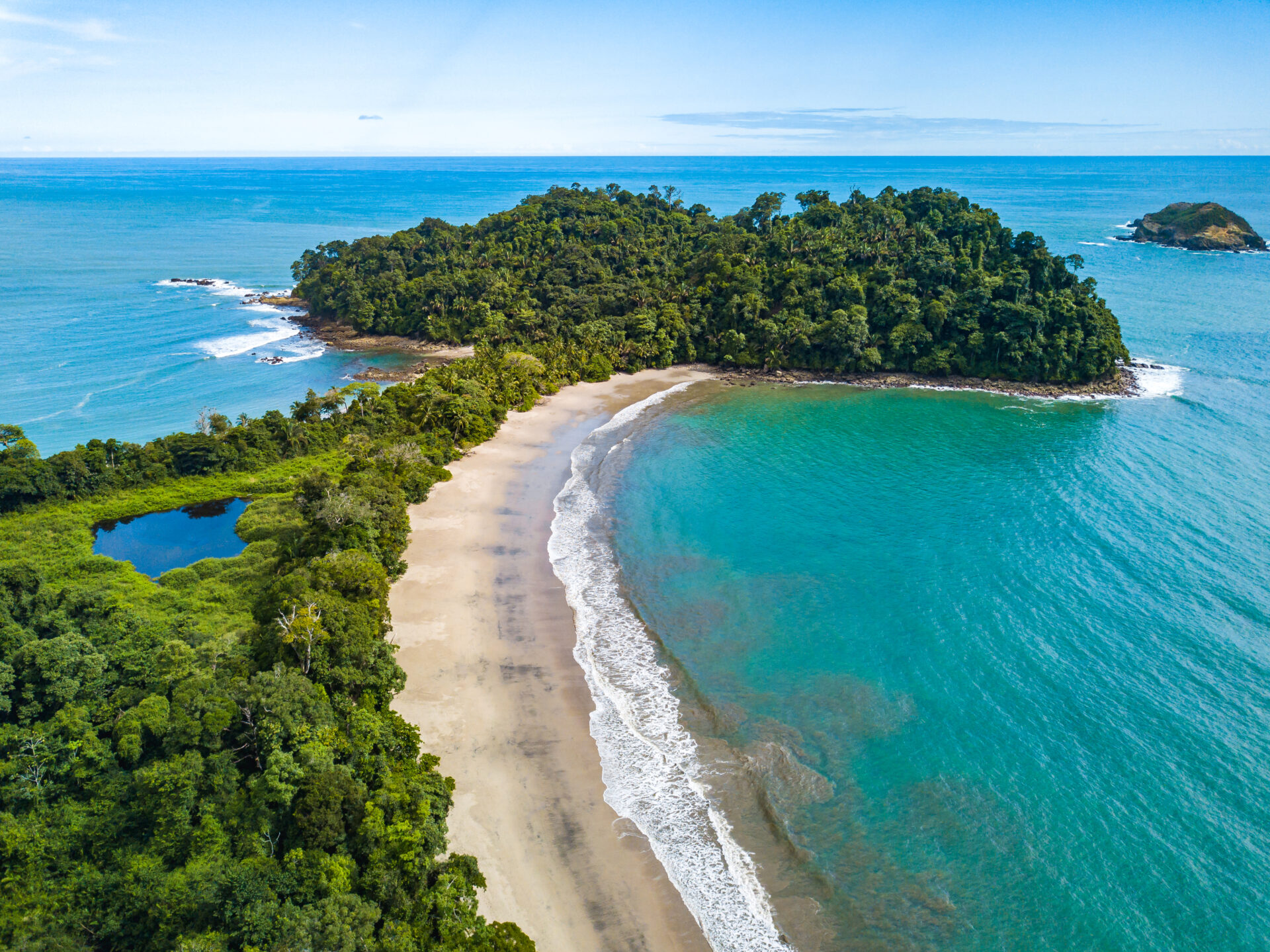
Retiring in Costa Rica offers something difficult to reproduce elsewhere: warm local culture, dramatic biodiversity, established residence programs, modern private medicine and an enormous choice of microclimates inside a country smaller than West Virginia. A retiree can wake to cool mountain air in the Central Valley, live beside a volcanic lake or build a daily routine around the Pacific or Caribbean.
The famous pura vida lifestyle does not remove the practical work. Costa Rica is no longer a uniformly low-cost destination. Coastal property requires careful legal review, rainy-season roads can isolate a beautiful home, private health insurance becomes expensive with age, and crime has increased enough to demand realistic security planning. The right Costa Rican retirement is built around year-round access, healthcare and community—not a vacation view.
Costa Rica Retirement at a Glance
| Planning question | Practical answer |
|---|---|
| Pensionado | Commonly US$1,000 monthly lifetime pension income |
| Rentista | Commonly US$2,500 monthly for two years or a qualifying US$60,000 funding arrangement |
| Inversionista | Generally a qualifying investment of at least US$150,000 under the current framework |
| Permanent residence | Often available after three years of qualifying temporary residence or through eligible close family |
| Healthcare | CAJA enrollment plus optional private care or insurance |
| Tax system | Primarily territorial, but source and residence analysis still matter |
| Property | Generally foreign ownership permitted; maritime-zone and concession property need special review |
| Safety | Level 2 U.S. advisory dated April 2, 2026 because of crime |
Why Retire in Costa Rica?
Costa Rica has decades of experience with North American and European retirees. Lawyers, relocation advisers, bilingual doctors, international schools and property professionals are widely available in major expat regions. San José's metropolitan area has advanced hospitals and a major international airport, while Liberia serves Guanacaste and the northwest Pacific.
Why Costa Rica appeals
- Established Pensionado and Rentista categories
- Strong private healthcare in the Central Valley
- Extraordinary nature and outdoor living
- Many altitude-based climate choices
- Political stability and no standing army
- Large expat and international communities
- Direct flights to the United States and Canada
Challenges to plan around
- Higher prices than many newcomers expect
- Crime and residential security concerns
- Long immigration processing periods
- Mandatory CAJA enrollment after residence
- Rainy-season roads, floods and landslides
- Coastal title and concession complexity
- Limited specialist care outside the Central Valley
Microclimates, Rainy Seasons and Elevation
Costa Rica's weather changes over surprisingly short distances. The Central Valley usually offers spring-like days and cooler nights. Guanacaste has a pronounced dry season and a hot, dusty late dry season. The central and southern Pacific are wetter and lusher. The Caribbean has its own rainfall pattern rather than matching the Pacific calendar.
Elevation changes comfort, humidity, mosquitoes and air-conditioning costs. A coastal home can be ten degrees warmer than a hillside property nearby. Rainfall influences road access, mold, septic performance, landslides and whether a river crossing becomes dangerous. Visit in September or October in Pacific regions and during the hottest dry-season weeks before making a decision.
Language, Culture and Daily Life
Costa Ricans, commonly called Ticos, often value courtesy, family and indirect communication. Friendly relationships make bureaucracy, trades and daily errands easier. “Ahora” may not mean immediately, and a polite yes may signal goodwill rather than a firm deadline. Written scopes, deposits and milestones still matter for business.
English is common in tourism and some private medicine, but not dependable for government offices, emergency calls, utility disputes or rural contractors. Functional Spanish is one of the best investments a retiree can make. It widens neighborhood choice and reduces dependence on paid intermediaries.
Pensionado Residence in Costa Rica
The Pensionado category is designed for applicants receiving a qualifying lifetime pension of at least US$1,000 per month. Social Security, government pensions and certain private lifetime pensions may qualify when documented correctly. A spouse and qualifying dependents may be included under current rules, but the principal applicant must prove the pension.
The issuing institution's letter normally needs to establish the amount, lifetime character and beneficiary. Foreign documents may require apostille or legalization and official Spanish translation. A bank deposit or temporary investment distribution is not automatically a lifetime pension.
Rentista Residence
Rentista status is often used by people who have reliable means but no qualifying pension. The traditional requirement is proof of at least US$2,500 per month for two years. Applicants may satisfy this through an accepted bank guarantee, trust, investment-income evidence or a funded arrangement commonly associated with US$60,000, depending on current interpretation and documentation.
Do not transfer funds until a Costa Rican immigration professional and the receiving bank confirm the structure. A U.S. brokerage statement showing sufficient assets may not prove that US$2,500 will be available every month for the required period.
Inversionista Residence
The Inversionista route generally requires at least US$150,000 in a qualifying Costa Rican investment under the current incentive framework. Real estate, a business, productive projects, securities, forestry or other approved assets may qualify when properly valued and registered.
Buyers should not assume that the advertised price proves the qualifying investment. Immigration may require registry value, municipal value, accounting evidence, corporate ownership records or proof that funds entered legally. Confirm eligibility before closing because residence approval is never guaranteed merely by owning a home.
Application Documents and DIMEX
A typical file includes a valid passport, birth certificate, criminal-record certificate, fingerprints or registration where required, proof of the qualifying income or investment, photographs, government payments and translated or authenticated documents. Marriage and dependent records are needed for family members.
- Order recent civil and criminal records.
- Obtain apostilles in the country that issued each record.
- Use approved Spanish translations.
- File through the proper immigration channel and preserve proof.
- Respond promptly to any request for clarification.
- After approval, enroll with CAJA and complete final resident-card steps.
- Check every detail on the DIMEX residence card.
Processing can take many months. A complete filing may provide lawful pending status under applicable rules, but travel, work and tourist-entry issues should be reviewed individually. Do not overstay based on casual online advice.
Permanent Residence, Renewal and Citizenship
Pensionado, Rentista and Investor residents generally begin with temporary status. After three years of qualifying temporary residence, many can apply for permanent residence. Close family relationships to a Costa Rican citizen can create separate pathways.
Renewal requires continued compliance, including CAJA standing and current documentation. Long absences can affect residence or a future naturalization case. Citizenship has separate residence-period, language, civics and presence requirements. Track every arrival and departure from the beginning.
CAJA Enrollment Is Part of the Residence Plan
After residence approval, applicants generally must enroll with the Caja Costarricense de Seguro Social—the CAJA—before the residence card is finalized. Contributions are assessed using declared or evaluated income, category and household facts. The payment is not simply a fixed low monthly fee for every retiree.
Ask how pension income, Rentista income and a spouse are treated before applying. Keep receipts and confirm continuous good standing. CAJA provides valuable public coverage, but appointments, specialist queues and hospital infrastructure vary by region.
Costa Rican Tax Residence and Territorial Taxation
Costa Rica primarily taxes Costa Rican-source income. Foreign pension and investment income may fall outside ordinary local income tax when genuinely foreign-source, but slogans such as “Costa Rica never taxes foreign income” are too broad. The place where work is performed, a business is managed, property is located or services are used can change source.
Physical presence of more than 183 days can be important to fiscal residence, but immigration residence and tax residence are not identical. Retirees operating an online company, renting Costa Rican property, earning local interest or actively managing investments should obtain local advice.
Property taxes, municipal charges, luxury-home tax where applicable, transfer tax, capital gains, corporate filings and value-added tax can arise even when a foreign pension is not taxed. A dormant property-holding corporation can still have annual reporting and transparency obligations.
U.S. Taxes, Accounts and Medicare
U.S. citizens and green-card holders generally continue filing federal returns on worldwide income. Costa Rican accounts may trigger FBAR and Form 8938 reporting. A Costa Rican corporation, trust-like structure or business interest can create additional forms and penalties if ignored.
The United States does not have a broad income-tax treaty with Costa Rica comparable to treaties with some larger economies, and there is no comprehensive Social Security totalization agreement. Coordinate both systems before working locally or creating a company.
Original Medicare generally does not cover routine care in Costa Rica. Many retirees retain Parts A and B to preserve future U.S. access while using CAJA and private services locally. Compare the long-term cost of late enrollment before dropping coverage.
Cost of Living in Costa Rica
Costa Rica can cost less than many U.S. cities, but imported food, vehicles, electronics, electricity and premium coastal housing are expensive. A local lifestyle in the Central Valley differs dramatically from a gated beach villa with air-conditioning, pool maintenance and a four-wheel-drive vehicle.
| Monthly expense | Planning range (USD) | What changes it |
|---|---|---|
| One-bedroom rent | $700–$1,700+ | Central Valley versus premium beach market |
| Utilities and internet | $120–$400+ | Air-conditioning, pool pumps and household size |
| Groceries for two | $450–$850 | Imported brands, alcohol and local feria shopping |
| CAJA and private healthcare | $250–$1,200+ | Assessed income, age, insurance and medical needs |
| Transportation | $150–$750+ | Bus lifestyle versus imported 4x4 ownership |
| Comfortable couple total | $2,500–$4,800+ | Location, rent, car, travel and medical protection |
Build a personal budget from actual long-term rental listings and written insurance quotes. Add immigration fees, flights home, household setup, deductibles and at least a 15 percent contingency.
Best Places to Retire in Costa Rica
Escazú, Santa Ana and the western San José metro
This area offers the country's deepest concentration of private hospitals, specialists, international shopping and services. Escazú is established and hilly; Santa Ana is warmer and rapidly developed. Traffic, premium rents and urban security are the tradeoffs. It suits retirees with complex medical needs or frequent international travel.
Atenas: smaller-town Central Valley living
Atenas is known for a warm but moderate climate, expat community and access toward both San José and the Pacific. It offers a calmer scale than the capital. Medical care is adequate for routine needs, but advanced treatment requires travel. Neighborhoods vary in elevation, road quality and water reliability.
Grecia and the western Central Valley
Grecia combines local town life, mountain views and access to Alajuela and the international airport. Cooler hillside homes can be attractive, though steep drives and landslide exposure need attention. Retirees should measure travel time to hospitals during weekday traffic.
Heredia and nearby highlands
Heredia province has universities, hospitals, cooler communities and airport access. Parts of the metro are dense, while higher areas feel rural. Fog, rain and traffic can make a short map distance slow. It is practical for retirees who value services more than a beach.
Guanacaste: Tamarindo, Playas del Coco and surrounding coast
Guanacaste offers sunshine, beaches and access to Liberia's airport. Tamarindo is international and expensive; Playas del Coco provides a more established service hub; smaller beaches can feel isolated. Extreme late-dry-season heat, water availability, wildfire smoke and medical evacuation planning are central issues.
Central Pacific: Jacó, Herradura and Manuel Antonio
Jacó and Herradura are accessible from San José and offer supermarkets, condos and private clinics. Manuel Antonio and Quepos combine nature and tourism infrastructure. Humidity, crime, heavy rain, mold and limited advanced specialists are challenges. Properties on slopes require geotechnical and drainage review.
Southern Zone: Dominical, Uvita and Ojochal
The Southern Zone is lush, scenic and popular with nature-oriented expats. Rainfall is heavy and communities are dispersed. A home that looks close to the highway may require a steep unpaved road. Hospital access, power restoration, landslides and four-wheel-drive costs should be tested in the wettest months.
Lake Arenal
Nuevo Arenal and surrounding lake communities offer cooler weather, green scenery and an international community. The area is windy and wet, with fewer specialists and long drives to advanced care. It fits independent retirees comfortable with small-town life.
Caribbean coast: Puerto Viejo and Cahuita
The Caribbean coast has a distinct Afro-Caribbean and Indigenous influence, lush environment and alternative rhythm. Rainfall patterns differ from the Pacific. Healthcare, roads, flooding, property title and security deserve careful review. This is not the best location for every medically complex retiree.
San Ramón and San Isidro de El General
These regional centers provide a more local Costa Rican experience and lower housing costs than elite expat markets. San Ramón offers highland climate and Central Valley access; San Isidro supports the Southern Zone. English services and expat social infrastructure are thinner.
Costa Rica Retirement Location Comparison
| Location | Strongest advantage | Main caution | Best fit |
|---|---|---|---|
| Escazú/Santa Ana | Hospitals and services | Traffic and higher costs | Complex healthcare |
| Atenas/Grecia | Mild climate and community | Travel for specialists | Small-town expat life |
| Guanacaste | Dry-season beaches and airport | Heat, water and cost | Beach-focused retirees |
| Central Pacific | Capital access plus coast | Humidity, crime and storms | Active coastal lifestyle |
| Southern Zone | Nature and privacy | Rainy roads and medical distance | Independent nature lovers |
| Lake Arenal | Cooler green setting | Wind, rain and specialist access | Quiet rural retirement |
| Caribbean coast | Culture and biodiversity | Flooding, title and healthcare | Flexible, experienced expats |
Healthcare: CAJA, INS and Private Medicine
CAJA provides national public coverage through clinics and hospitals. It is valuable for chronic disease, emergencies and major treatment, but waiting times can be long for nonurgent specialists and procedures. Where you live determines the local clinic and referral network.
Private hospitals such as CIMA, Clínica Bíblica and La Católica serve the San José region, with private facilities elsewhere. Routine consultations, imaging and dental care can be affordable by U.S. standards, but complex hospitalization is not inexpensive. Private hospitals may request deposits or proof of payment.
Options include international insurance, policies from Costa Rica's Instituto Nacional de Seguros, other approved coverage, or self-pay reserves layered on CAJA. Compare age limits, exclusions, deductibles, evacuation, cancer drugs and direct billing. Obtain acceptance before moving if you have significant pre-existing conditions.
Dengue, Chikungunya, Heat and Medications
Dengue is an ongoing concern, and in July 2026 the CDC issued a Level 2 health notice related to a chikungunya outbreak in Playa Langosta, Guanacaste. Mosquito exposure changes with region, rainfall and household screens. Use repellents, remove standing water and ensure the home can be closed effectively.
Heat and dehydration affect coastal retirees, while mold and respiratory symptoms can worsen in wet areas. Confirm medication names and availability. Bring a concise Spanish medical summary and maintain enough supply to bridge appointments without violating customs rules.
Renting Before Buying
Rent for at least one full rainy season. Verify water pressure and legal water service, septic condition, drainage, retaining walls, internet, cellular signal, security, road maintenance and emergency access. Visit after a downpour, not only on a sunny afternoon.
Leases should identify currency, deposit, utilities, repairs, garden and pool work, pets, furnishings and early termination. Inventory the property with photographs. If rent is quoted in U.S. dollars but income is in another currency, model exchange-rate risk.
Buying Property and the Maritime Zone
Foreigners can generally own titled property directly with rights similar to Costa Rican citizens. The critical word is titled. Some rural or coastal properties involve possession rights, concessions, corporations, incomplete surveys or access that is customary rather than legally registered.
The Maritime Terrestrial Zone generally covers the first 200 meters inland from the ordinary high-tide line. The first 50 meters are public. Much of the next 150 meters can be concession land governed by municipal and national rules rather than ordinary titled ownership. Foreign ownership and control restrictions can apply to concessions.
Use an independent attorney and licensed surveyor. Obtain a National Registry study, cadastral plan, municipal land-use certificate, tax status, water letter, environmental review, concession documents where applicable and confirmation of legal road access. Do not rely on a corporation or escrow structure presented by the seller without independent analysis.
Banking, Colones and Moving Money
Costa Rica uses the colón, while many rents and properties are quoted in U.S. dollars. Banks require extensive know-your-customer and source-of-funds evidence. Residents may have more account options than tourists, but policies vary.
Keep a U.S. account during the transition and use low-fee transfer methods. Large property transfers should follow attorney-controlled or regulated escrow procedures. Verify wire instructions independently; real-estate email fraud is a significant risk. U.S. citizens must review foreign-account reporting.
Safety and Residential Security
The U.S. State Department rated Costa Rica Level 2—exercise increased caution because of crime—on April 2, 2026. Petty theft is common, and violent crimes including armed robbery, homicide and sexual assault affect visitors. Foreign-owned homes, businesses and short-term rentals have also faced robbery, break-ins and extortion.
Neighborhood and property design matter. Evaluate gates, lighting, alarms, window security, sight lines, parking and response time. Do not leave valuables in a vehicle or unattended on a beach. Electronic jammers can prevent key fobs from locking cars, so physically check the door.
Avoid isolated streets and beaches at night, do not resist an armed robbery and file a formal denuncia with the OIJ after crime. Dial 911 for emergencies. Foreign residents may not participate in political demonstrations.
Earthquakes, Volcanoes, Flooding and Rip Currents
Costa Rica is an active earthquake and volcanic zone. Heavy rain causes flash floods and landslides, particularly on steep or poorly drained roads. Pacific and Caribbean storms can damage infrastructure even without a direct hurricane landfall.
Rip currents are a major killer, and many beaches have no dependable lifeguard coverage. Ask locals about conditions, follow flags and never swim alone at night or after drinking. For a home, map evacuation routes and keep water, medications, lights, cash and communications backups.
Driving and Transportation
Road distances are deceptive. Mountain terrain, one-lane bridges, construction, rain and traffic can turn 40 miles into several hours. Public buses connect much of the country, but schedules and accessibility may not suit frail retirees.
Vehicles are expensive because of import taxes. A higher-clearance or four-wheel-drive vehicle may be useful in rural areas but is not automatically necessary in the Central Valley. Confirm a foreign driver's license's validity against immigration entry status and obtain appropriate local licensing when required.
Pets and Household Goods
Dogs and cats need current veterinary and vaccination documentation meeting Costa Rican animal-health rules. Airlines impose their own crate, temperature and breed restrictions. Confirm requirements shortly before travel rather than relying on an old checklist.
Pensionado, Rentista and Investor incentive rules may provide customs benefits for qualifying household goods and vehicles under specific conditions and time limits. Tax exemptions are procedural, not automatic. Obtain written customs advice before shipping or purchasing a vehicle abroad.
Aging in Place and Long-Term Care
A hillside view can become a trap after a fall or when driving ends. Choose a home with level access, a main-floor bedroom, safe bathroom and dependable route to groceries and medical care. Test ambulance response and identify the hospital that can actually treat stroke, cardiac emergencies or fractures.
Home aides and residential care are available, but training, supervision and English ability vary. Visit facilities, check staffing at night and clarify dementia, medication and hospital-transfer protocols. A lower wage does not guarantee dependable skilled care.
Estate Planning and Incapacity
A Costa Rican will may simplify local succession even when a U.S. will exists. Property held personally, in a Costa Rican corporation or under another structure can transfer differently. Forced-heirship, marital property, corporate shares and beneficiary designations need coordinated advice.
Prepare local powers of attorney and healthcare instructions that Costa Rican institutions will recognize. Maintain a bilingual emergency file and identify someone who can manage bills, pets and property if both spouses are incapacitated.
A 12-Month Costa Rica Retirement Plan
| Timing | Priority actions |
|---|---|
| 12–9 months | Compare microclimates, visit during rainy season, identify specialist and mobility needs |
| 9–6 months | Select the residence category, order apostilled records, model CAJA and tax costs |
| 6–3 months | Arrange temporary housing, insurance decisions, medication plan, pets and source-of-funds records |
| First 30 days | Obtain a local number, confirm immigration status, map hospitals, test transport and water reliability |
| Months 2–6 | Advance residence, enroll in Spanish, compare CAJA and private care, establish banking |
| Months 6–12 | Review tax and renewal duties, reassess the location after heavy rain, then consider a longer lease or purchase |
Common Mistakes When Retiring in Costa Rica
- Believing the entire country has one climate
- Budgeting from vacation prices or decade-old expat stories
- Ignoring CAJA contributions when comparing residence programs
- Buying before experiencing the rainy season
- Confusing concession land with titled property
- Accepting informal road or water access
- Living far from specialists without evacuation planning
- Assuming Medicare covers Costa Rican treatment
- Choosing a steep multilevel house without an aging plan
- Leaving valuables in cars or beach bags
- Shipping a vehicle before confirming customs eligibility
- Using a seller's attorney as the only adviser
Is Costa Rica Right for Your Retirement?
Costa Rica is strongest for retirees who value nature, outdoor living, political continuity and established residence routes—and who can afford a realistic mid-range budget. It is less suitable for someone expecting ultra-low costs, instant bureaucracy or uniform urban services on a remote beach.
Make the move in stages: rent in the wettest season, verify healthcare and road access, complete residence and CAJA planning, and buy only after the community works in ordinary life. Continue comparing countries through the complete retirement guide directory.
Frequently Asked Questions About Retiring in Costa Rica
Can a U.S. citizen retire in Costa Rica?
Yes. Common temporary-residence categories include Pensionado for qualifying lifetime pension income, Rentista for guaranteed income or a qualifying deposit, and Inversionista for an approved investment.
How much pension income is required for Pensionado residence?
The commonly stated statutory minimum is US$1,000 per month from a qualifying lifetime pension source. Applicants must document the permanence and source of the benefit under current immigration rules.
What is the Rentista income requirement?
Rentista applicants generally demonstrate at least US$2,500 per month of stable income for two years or use an approved deposit arrangement commonly associated with US$60,000. Confirm current documentary and bank requirements before applying.
How much must an investor invest?
The investor category has generally used a US$150,000 qualifying investment under the current incentive framework. Eligible assets and valuation evidence are technical, so verify that a proposed property or project qualifies before purchase.
Do residents have to join the CAJA?
Temporary and permanent residents generally must enroll with the Costa Rican Social Security Fund, known as the CAJA, as part of completing residence documentation. The contribution depends on assessed income and status.
Does Costa Rica tax foreign pensions?
Costa Rica primarily taxes Costa Rican-source income, and genuinely foreign-source retirement income is often treated differently from local income. However, source, remittance, activities and changing law require professional review.
Can foreigners buy property in Costa Rica?
Foreigners can generally own titled property with rights similar to citizens. Coastal maritime-zone concessions, untitled possession, corporations and rural access require additional due diligence.
Does buying property give me residency?
Not automatically. A qualifying investment may support the Inversionista category if it meets the current minimum and documentation rules, but ordinary ownership alone does not create immigration status.
Does Medicare work in Costa Rica?
Original Medicare generally does not cover routine treatment in Costa Rica. Retirees normally combine CAJA coverage with private care, international insurance, local insurance or self-pay reserves.
Is Costa Rica safe for retirees?
Costa Rica was Level 2 in the U.S. advisory dated April 2, 2026 because of crime. Petty theft is common and violent crime can affect foreigners. Security varies by neighborhood and property type.
Where are the best places to retire?
The Central Valley offers the deepest healthcare and mildest climate. Atenas and Grecia provide smaller-town alternatives, while Guanacaste, the Central Pacific, Southern Zone, Lake Arenal and Caribbean coast offer distinct climates and service levels.
Should I buy a home immediately?
No. Rent through a full rainy season, confirm legal access and water, test power and internet reliability, and complete independent title, survey, zoning and structural reviews before purchasing.
Official and Planning Resources
- Costa Rica immigration authority
- Costa Rican Social Security Fund (CAJA)
- Ministry of Finance and tax information
- National Registry property and corporate services
- SENASA animal and pet-entry information
- National Emergency Commission
- Costa Rica Tourism Institute
- U.S. State Department Costa Rica advisory
- U.S. Embassy San José
- CDC Costa Rica travel health information
Explore More Retirement Guides
Compare Costa Rica with every completed Latin American retirement destination:
Country guides
Browse every destination
Use the main directory for all published and upcoming retirement guides.
Retirement Guides by CountryTags: Costa Rica retirement, retire in Costa Rica, retiring in Costa Rica, moving to Costa Rica, Costa Rica expat guide, Pensionado visa, Rentista residency, Costa Rica healthcare, CAJA, Costa Rica taxes, Costa Rica cost of living, retirement abroad