Retiring in Cambodia can combine a warm climate, an unusually accessible renewable retirement extension, friendly daily life and modest living costs. Phnom Penh gives retirees the country’s best medical and administrative infrastructure; Siem Reap blends culture with a well-established foreign community; Kampot and Battambang offer a slower rhythm.
The country also demands realism. Cambodia’s retirement status is temporary and procedural, not permanent residence. Specialist healthcare often requires treatment abroad. Foreigners cannot own land, road trauma is a serious risk, and formal eldercare is limited. The right retiree keeps plans flexible, rents first and budgets for evacuation.
Why Retire in Cambodia?
Cambodia appeals to people who enjoy Southeast Asia without needing the scale of Bangkok or Kuala Lumpur. Daily services can be personal, meals inexpensive and domestic travel rewarding. English is widely used in expat-facing businesses, the U.S. dollar remains familiar, and private apartments range from simple local units to serviced towers.
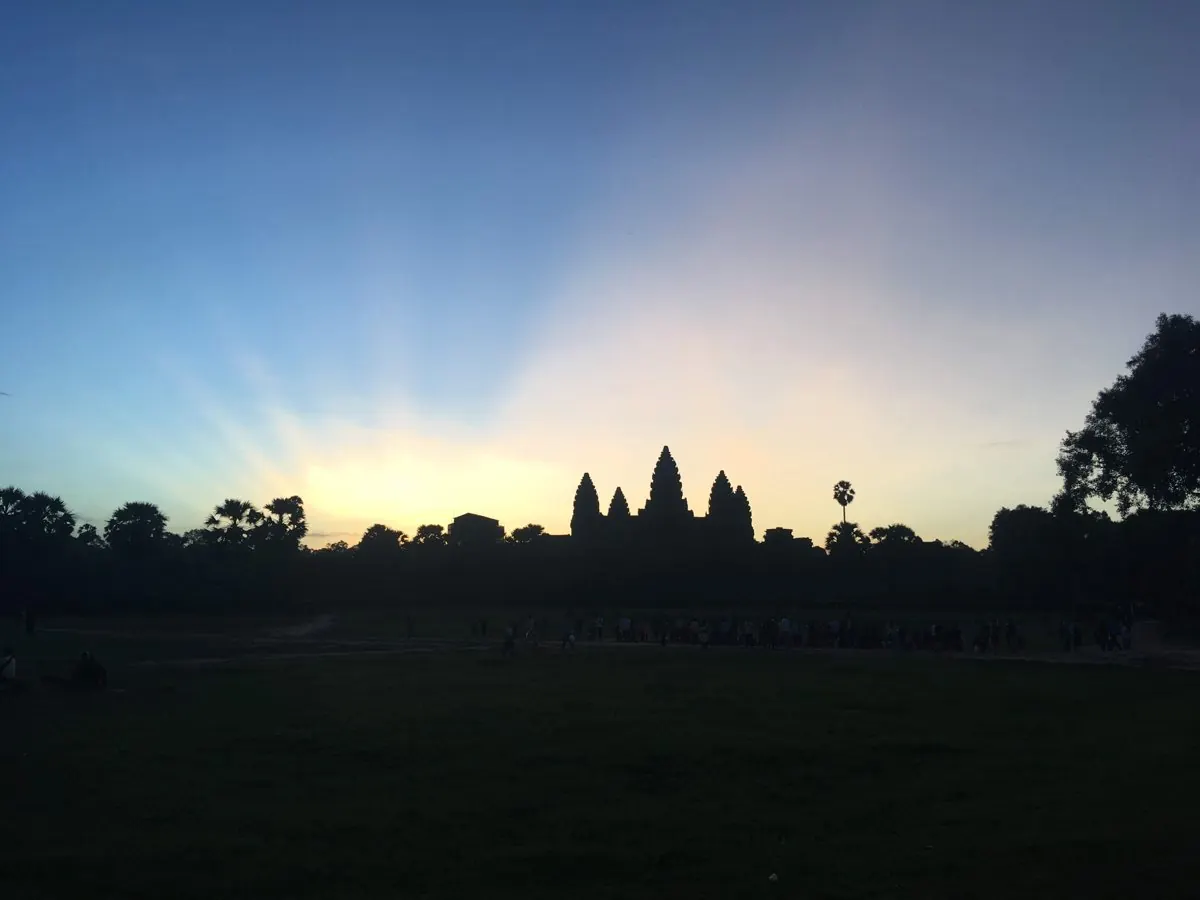
The culture is not merely Angkor Wat. Retirees encounter Khmer food, Buddhist festivals, riverside towns, contemporary arts and close-knit neighborhoods. Regional flights make Thailand, Vietnam, Malaysia and Singapore accessible. A retiree who learns basic Khmer and participates respectfully can build meaningful relationships beyond the expat circuit.
Strong reasons to choose Cambodia
- Renewable ER retirement extension
- Moderate rents and local living costs
- Warm climate and rich cultural life
- Established communities in Phnom Penh and Siem Reap
- Convenient ride-hailing and delivery apps
- Regional access to deeper medical systems
- English common in many expat services
- Condos available to eligible foreign buyers
Reasons to be cautious
- No automatic permanent residence
- Complex care often requires evacuation
- Foreigners cannot own land
- Road crashes and weak pedestrian infrastructure
- Heat, flooding, mosquitoes and air pollution
- Limited formal assisted living
- Scams and uneven contract enforcement
- Rules and agent practices can change quickly
Visas and the ER Retirement Extension
Step 1: enter on the right category
Most retirement plans begin with an ordinary E-class visa, often issued for an initial 30-day stay. It may be available through a Cambodian embassy or, for eligible travelers, on arrival. Entry availability depends on nationality, port and current policy. The letter “E” here does not mean electronic.
Cambodia’s online eVisa system principally serves tourist entry. A tourist T-class visa or tourist eVisa is useful for a scouting trip but is not the standard foundation for an ER extension. Before flying, ask a Cambodian mission or a current specialist exactly which visa notation is needed.
Step 2: document genuine retirement
The ER category is intended for people not working in Cambodia. Applicants commonly provide passport photographs, a valid passport, entry visa and evidence supporting retirement or finances. Age 55 is a widely used practical dividing line; younger applicants may be asked for stronger evidence and approval is discretionary.
There is no single reliable statutory monthly-income number that should be copied from an agent’s advertisement and treated as universal. A pension letter, retirement certificate, bank evidence or sworn explanation may be requested. Requirements can differ by nationality and current enforcement.
Step 3: choose duration and entries
ER extensions are commonly issued for one, three, six or twelve months. The six- and twelve-month options are generally multiple entry; short options may not be. Check the label immediately because leaving on a single-entry extension can terminate it.
Apply well before expiry and keep copies of the passport data page, entry stamp, application and receipt. Agents often retain the original passport during processing. Use a known office, verify the handover and avoid anyone proposing a false employer, fake retirement evidence or unexplained payment.
Renewal is not permanence
Many retirees renew ER status for years, but each extension remains permission under current policy. It does not promise permanent residence, citizenship or future renewal. Maintain an emergency departure fund, a valid passport and a backup plan.
Work, volunteering and remote activity
ER status is not work authorization. Local employment normally requires the correct immigration category and work permit. Unpaid roles can still count as work. Remote activity is legally and tax-sensitive when performed habitually from Cambodia; retirees with active businesses should obtain advice instead of assuming foreign clients make the activity invisible.
Cost of Living and Sample Budgets
Cambodia can be affordable, but low online budgets often omit insurance, regional flights, imported food, electricity and visa costs. Air-conditioning can make power a major bill. New towers in Phnom Penh and expat houses in popular districts cost much more than local apartments.
| Monthly expense for two | Value lifestyle | Comfortable lifestyle | Premium lifestyle |
|---|---|---|---|
| Housing | US$450–$750 | US$800–$1,400 | US$1,500+ |
| Utilities, internet, phones | $130–$220 | $200–$350 | $350+ |
| Food and dining | $450–$700 | $700–$1,100 | $1,200+ |
| Transport and household help | $120–$250 | $250–$500 | $600+ |
| Insurance and routine care | $250–$600 | $500–$1,000 | $1,200+ |
| Leisure, visas and travel reserve | $150–$300 | $350–$700 | $900+ |
| Planning total | $1,550–$2,500 | $2,800–$5,050 | $5,750+ |
These are planning ranges, not price promises. Insurance rises sharply with age and history. A retiree keeping a home abroad or flying to Bangkok for care needs a larger reserve. Rent quoted in dollars should state which exchange rate applies if paid in riel.
Best Places to Retire
Phnom Penh
The capital is the strongest base for retirees who prioritize hospitals, embassies, banking, international groceries and flights. BKK1 is walkable by local standards and full of services; Tonle Bassac mixes restaurants and modern condos; Toul Tom Poung offers a younger, less polished atmosphere; Toul Kork is quieter and residential. Riverside is lively but noisier and more exposed to petty theft.
Traffic, construction, flooding and air quality vary street by street. Live within a short practical route of the hospital you would actually use. Inspect generator coverage, elevator access, fire exits, water pressure and nighttime noise.
Siem Reap
Siem Reap combines international restaurants, a compact center, creative communities and access to Angkor. It is calmer than Phnom Penh and has an international airport. Routine private care is available, but major emergencies may still require Phnom Penh, Bangkok or another regional center.
Wat Bo, Sala Kamreuk and areas outside the immediate Pub Street zone can offer quieter living. Test dust, road lighting and wet-season drainage. Tourism cycles can affect noise and services.
Kampot
Kampot’s river, hills and relaxed community make it popular with retirees seeking a slower life. Rents can be good value and cafés plentiful. Medical depth is the decisive weakness: an ambulance journey to Phnom Penh can be too slow for stroke or cardiac emergencies. It suits healthy independent retirees with evacuation plans.
Kep
Kep is quieter, coastal and attractive for short stays. Services, shopping and healthcare are limited. Many retirees prefer living in Kampot and visiting Kep rather than making it their only base.
Battambang
Battambang offers heritage architecture, arts, local markets and lower costs. It is less internationally serviced than Siem Reap and medical access is limited. Rural excursions require mine-awareness and established routes.
Sihanoukville and the islands
Sihanoukville has experienced intense development and can feel very different from older descriptions. It offers beaches, casinos, industry and onward island access but uneven urbanism. Islands are beautiful yet weather-dependent, medically thin and logistically fragile. They are better as holidays or trial stays than as an aging-in-place plan.
Healthcare and Medical Evacuation
Phnom Penh has Cambodia’s deepest range of private and international facilities, useful diagnostics and some foreign-trained specialists. Siem Reap can handle common outpatient and emergency needs. Provincial capability varies significantly, and ambulance response may not match Western expectations.
For major trauma, complicated cancer, advanced cardiac care or neurological emergencies, regional transfer may be recommended. Bangkok is a common destination; Singapore and Ho Chi Minh City are alternatives depending on insurer, specialty and transport. Evacuation is a financial and operational process: the receiving hospital must accept you, transport must be arranged and the insurer may demand preauthorization.
Insurance checklist
- Guaranteed or predictable renewal at your age
- Coverage for declared chronic conditions
- High inpatient limit and cancer treatment
- Medical evacuation to an appropriate facility, not merely the nearest
- Repatriation and return-home benefits
- Direct billing where available
- Outpatient prescriptions and diagnostics if needed
- No motorcycle exclusion that defeats your lifestyle
- Clear rules for visits to Thailand, Vietnam and Singapore
Keep medical records, allergies, blood type, medicines and emergency contacts in English and Khmer where practical. Store insurer numbers offline. Identify a local person who can reach you, carry documents and communicate with family.
Tax Residence and Retirement Income
Cambodian tax residence is commonly triggered by more than 182 days in a twelve-month period, as well as certain residence or principal-abode concepts. An immigration extension does not decide tax residence. Keep a travel-day ledger, lease copies and income records.
Tax residents can face Cambodian taxation on worldwide-source income under domestic rules; nonresidents generally face Cambodian-source taxation. The actual treatment of pensions, Social Security, annuities, dividends, rent and capital gains depends on classification and treaty availability. Do not infer tax exemption merely because money stays in an overseas account.
U.S. citizens generally continue filing U.S. tax returns and may have FBAR or Form 8938 obligations for Cambodian accounts. Other nationalities retain their own residence and exit rules. Seek coordinated advice before becoming resident, selling investments or drawing a large retirement lump sum.
Property, Leases and Due Diligence
Foreigners generally cannot own Cambodian land. Cambodian citizenship or a qualifying Cambodian legal person is needed for direct land title. Nominee ownership can leave the foreign funder exposed to loss, dispute and illegality. Marriage to a Cambodian citizen does not automatically put land under foreign control.
The principal direct purchase option is a qualifying strata-title unit in a co-owned building. Foreign ownership is normally limited to private units above the ground floor and within a foreign quota commonly stated as 70%. Not every apartment building has valid strata status.
Before paying a deposit
- Hire a lawyer who does not represent the agent or developer.
- Search the hard or strata title and confirm the registered owner.
- Verify foreign quota and the exact unit’s eligibility.
- Check mortgages, disputes, building permits and completion.
- Confirm common-property rights and management fees.
- Inspect fire safety, lifts, backup power, water and flood access.
- Document lawful bank transfers and source of funds.
- Plan resale, inheritance and currency conversion.
Long leases may be useful but are contractual interests, not foreign land ownership. Registration, duration, renewal, assignment, inheritance and remedies matter. Trust structures exist in Cambodia, but they are regulated and require specialist advice; marketing language should never replace independent analysis.
Banking, Currency and Payments
The Cambodian riel is official, while U.S. dollars remain common. Cashiers may reject torn or marked dollar notes. Everyday change increasingly arrives in riel. Learn the prevailing exchange rate and check both currencies on receipts.
ABA, ACLEDA and other banks offer accounts and mobile payments, subject to customer checks. KHQR is widely used. Bank requirements vary with visa duration, address and tax information. Keep your registered phone secure because the SIM may control authentication.
Use bank channels for property and large transactions, verify account instructions independently and treat urgent messages as suspicious. Keep two foreign cards, a reserve outside Cambodia and enough accessible cash for a short emergency—not large sums at home.
Daily Life, Climate and Culture
Cambodia has a cooler dry season, a very hot period and a monsoon season. Heat exposure is serious for older adults. Wet-season rain can flood roads rapidly; humidity encourages mold; dengue and other mosquito-borne illnesses require prevention. Air quality worsens with dust, traffic and seasonal burning.
Choose housing after visiting at rush hour, after heavy rain and late at night. Check cross-ventilation, air-conditioning cost, filtration, pest control and generator noise. In low-rise homes, security and drainage matter as much as design.
Khmer society places importance on respect, calm communication and family. Dress appropriately at temples, remove hats and shoes when expected, and never touch religious objects casually. Avoid political demonstrations and public criticism that could create legal risk. Use professional interpreters for contracts rather than asking a partner or agent to summarize.
Safety, Transport and Legal Risks
Snatch theft is a recurring risk in open tuk-tuks and near roads. Keep phones away from the traffic side, secure bags across the body and do not display valuables. Use app-booked transport where available, confirm the plate and share trip details.
Road crashes are among the largest everyday hazards. Sidewalks can be obstructed, lighting poor and driving unpredictable. Many retirees should avoid motorcycles. If you drive, establish that license, vehicle registration and insurance are valid; rental availability is not proof of legality.
Drug penalties are severe, and counterfeit or contaminated recreational drugs add medical risk. Defamation, online speech, photography, drones and political activity can be regulated more strictly than retirees expect. Never surrender a passport as collateral.
Landmines and unexploded ordnance remain in some countryside and former conflict areas. Follow marked routes and local advice. Border conditions can change quickly; official travel advisories should be checked immediately before travel rather than relying on an evergreen article.
Aging in Place, Relationships and Estate Planning
Affordable household help is one attraction, but a cleaner or companion is not a licensed nurse. Formal assisted living, memory care, rehabilitation and hospice options are limited. Build a care ladder: help at home, private nurse, Phnom Penh hospital, regional evacuation and eventual relocation if necessary.
Choose step-free housing with a reliable lift, walk-in shower, backup power and a route accessible to a car. Keep medical and financial powers of attorney and clarify who can speak with hospitals. Unmarried and same-sex partners may not have automatic authority.
Cross-border estates need coordinated wills. Cambodian land restrictions, strata ownership, lease provisions, company interests and bank procedures can complicate inheritance. Do not place all assets in a partner’s name on trust alone. Independent counsel protects both people by recording expectations clearly.
A 12-Month Moving Plan
- Months 12–10: Compare Phnom Penh, Siem Reap and one slower city against medical needs.
- Month 9: Confirm ordinary E-class entry and ER evidence with official sources.
- Month 8: Obtain Cambodian and home-country tax advice; start counting days.
- Month 7: Price international health and evacuation insurance.
- Month 6: Scout during a difficult weather period and use a short flexible rental.
- Month 5: Visit hospitals, pharmacies, banks and neighborhoods.
- Month 4: Prepare pension, bank, civil and medical documents.
- Month 3: Arrange pet transport, prescriptions and digital security.
- Month 2: Set up wills, powers and emergency access to funds.
- Month 1: Reconfirm visa category, entry rules and current advisories.
- First 30 days: Apply for ER status early and check every detail.
- First year: Rent, test all seasons and review the plan before buying.
Common Mistakes
- Confusing an E-class visa with an electronic tourist eVisa.
- Assuming an agent’s income figure is permanent national law.
- Working or running a business on ER retirement status.
- Buying land through a partner or nominee without enforceable protection.
- Believing a condominium creates residence rights.
- Moving to an island or small town without an evacuation plan.
- Riding a scooter without valid licensing and insurance.
- Signing a long lease before experiencing monsoon flooding and heat.
- Keeping every bank login on one Cambodian phone.
- Assuming inexpensive domestic help provides skilled eldercare.
Is Cambodia Right for You?
Cambodia can be an excellent fit for an independent retiree who values culture, warmth, modest costs and flexible renewable status. It is most convincing when the retiree can tolerate administrative ambiguity, carry robust insurance and live near Phnom Penh or Siem Reap medical services.
It is less suitable for someone needing sophisticated chronic care, predictable permanent residence, fully accessible public infrastructure or land ownership. Rent first and judge Cambodia as a complete system—not only by rent and restaurant prices.
Frequently Asked Questions
Does Cambodia have a retirement visa?
Cambodia uses an ER retirement extension of stay rather than a stand-alone retirement visa issued abroad. A retiree normally enters on the correct ordinary E-class visa and applies for an ER extension before that initial stay expires. Do not confuse the ordinary E-class visa with Cambodia’s online tourist eVisa.
What is the difference between an E-class visa and an eVisa?
The names are confusing. The ordinary E-class visa is an entry category that can support extensions such as ER retirement status. The electronic eVisa is usually a tourist entry document and is not the same thing. Confirm the correct entry visa with a Cambodian embassy, Immigration or a reputable licensed agent before boarding.
Who normally qualifies for an ER extension?
ER extensions are generally intended for genuine retirees, commonly people age 55 or older. Immigration may request evidence of age, retirement, pension or financial support. Applicants under 55 can face more scrutiny. Cambodia does not publish one dependable universal income threshold that every office and applicant can safely rely on.
How long is an ER extension valid?
Extensions are commonly offered for one, three, six or twelve months. Six- and twelve-month versions are generally used for multiple entry, while shorter versions may be single entry. Products, fees and documentation practices change, so verify before applying and check every printed date and entry notation.
Can I work on an ER extension?
No. ER status is for retirement and does not authorize employment. Teaching, consulting, managing a local business or regular remote work can raise immigration, work-permit and tax issues. Anyone who will work should obtain advice about the correct EB or other immigration status and a work permit.
Can I apply for the ER extension online?
Do not assume so. Many foreigners submit extension applications through established visa agents or the relevant immigration office after entering Cambodia. The official tourist eVisa website is not an ER-extension portal. Keep your passport receipt and use an agent with a traceable office and current reputation.
Does an ER extension lead to permanent residence?
It is renewable temporary permission, not an automatic path to citizenship or permanent residence. Long residence on extensions does not create guaranteed tenure. Retirees should keep documents current, renew early and retain a practical fallback country.
How much does retirement in Cambodia cost?
A couple may target roughly US$1,500–$2,500 monthly for a comfortable but locally oriented life, US$2,500–$4,000 for newer housing, more imported goods, insurance and travel, and over US$4,000 for premium housing and frequent regional medical care. Personal healthcare and evacuation coverage can change the budget dramatically.
What is the best city for retirees?
Phnom Penh has the strongest hospitals, banking, consular access and international services. Siem Reap offers a smaller cultural city with a large foreign community. Kampot is relaxed and scenic but medically limited. Battambang is affordable and appealing for independent retirees; Kep and islands work better for short stays than medical aging.
How good is healthcare?
Private clinics and hospitals in Phnom Penh can handle routine and some serious care, while Siem Reap has useful facilities. Capacity is much thinner elsewhere. Complex trauma, cardiac, neurological or cancer treatment often prompts transfer to Bangkok, Singapore, Ho Chi Minh City or home.
Do I need medical evacuation insurance?
Yes, it is one of the most important retirement expenses. Confirm that the policy covers evacuation from your actual province, transport to an appropriate regional center, preauthorization, repatriation, chronic conditions and renewal at older ages. A cheap travel policy may stop after a limited trip length.
Does U.S. Medicare cover Cambodia?
Original Medicare generally does not cover routine treatment in Cambodia. Some Medicare Advantage or supplemental arrangements provide limited emergency benefits abroad, but they are not substitutes for resident international coverage. Verify the exact written terms.
When do I become a Cambodian tax resident?
A commonly applied test is residence for more than 182 days in any twelve-month period. Tax residence is separate from visa status. Residents may face Cambodian tax on broader categories of income, while nonresidents are generally taxed on Cambodian-source income. Obtain advice tailored to pensions and investments.
Are foreign pensions taxed?
The answer depends on residence, source, payment type and any applicable treaty position. Government pensions, private pensions, annuities, retirement-account withdrawals and investment gains may not receive identical treatment. Cambodia’s rules and administrative practice require country-specific professional advice.
Can foreigners own land?
No. Cambodian law generally restricts land ownership to Cambodian citizens or qualifying Cambodian entities. A foreigner should not use a romantic partner, friend or nominee merely to hold land; the foreigner may have little enforceable control and the structure can be unlawful.
Can foreigners buy condominiums?
Foreigners can generally own qualifying strata-title private units in co-owned buildings above the ground floor, subject to the building’s foreign-ownership quota, commonly capped at 70% of private units. Verify the title, building registration, quota and developer rights with an independent Cambodian lawyer.
Can I use a long lease instead of buying land?
A properly drafted registered long-term lease may provide use rights without land ownership, but it is not equivalent to freehold. Renewal, sale, inheritance, mortgage, default and building ownership need careful drafting. Never rely only on an English brochure or an unregistered side agreement.
Does buying property provide residency?
No. Purchasing a condominium or signing a lease does not itself create an ER extension, permanent residence or citizenship. Immigration and property rights are separate legal systems.
Can I open a Cambodian bank account?
Banks commonly request a passport, valid visa or extension, Cambodian address, local phone number and tax or source-of-funds information. Requirements vary by bank and can tighten. Maintain an overseas account, preserve transfer records and never allow an agent to control your login or SIM.
Is the U.S. dollar still used?
Yes, U.S. dollars remain widely used, especially for larger prices, but the Cambodian riel is the official currency and is increasingly prominent. Small change is often given in riel. Damaged U.S. notes may be rejected, and KHQR mobile payments are widespread.
Is Cambodia safe for retirees?
Many retirees live comfortably, but phone and bag snatching, burglary, scams and traffic crashes require precautions. Keep valuables away from open tuk-tuk sides, use reputable ride apps, avoid isolated areas after dark and never physically resist a robbery.
What about landmines and unexploded ordnance?
Mines and UXO remain a danger in some rural and border areas, including parts of northwestern Cambodia. Stay on established roads and marked paths, use knowledgeable local guides and never touch suspicious objects. Check the latest government travel advice because affected areas and border tensions can change.
Can I drive or ride a scooter?
Licensing, registration and insurance must all be valid for the vehicle and your residence status. Road crashes are a major risk, helmets and defensive driving are essential, and medical bills may be excluded if you were unlicensed. Many retirees are safer using Grab, PassApp, tuk-tuks or a hired driver.
Can I bring prescription medicine?
Bring medicines in original packaging with a physician letter and check Cambodian rules for controlled drugs before travel. Buy replacements only from reputable pharmacies or hospitals because storage and authenticity can vary. Keep a reserve and generic names, not only brand names.
Can I bring a dog or cat?
Cambodia generally requires current veterinary documentation, rabies vaccination and compliance with animal-health import procedures. Airlines and transit countries impose additional rules. Confirm permits and health-certificate timing before booking and check whether a landlord or condominium accepts pets.
Is Cambodia suitable for LGBTQ+ retirees?
Same-sex relationships are legal and major expat areas can be welcoming, but same-sex marriage is not recognized nationally. A partner may lack automatic immigration, inheritance and medical-decision rights. Wills, powers of attorney and clear hospital instructions are especially important.
Should I learn Khmer?
Yes. English is common in tourism and many professional settings, but less reliable with local authorities, landlords, markets and provincial clinics. Basic Khmer numbers, greetings, directions and medical phrases improve independence and relationships.
Can I age in place in Cambodia?
It is possible for an active retiree in Phnom Penh, but formal assisted living, dementia care and high-acuity nursing remain limited. Domestic help is not the same as clinical care. Choose accessible housing near a hospital and maintain funds and authority for regional evacuation or relocation.
What should I do about inheritance?
Use a Cambodian lawyer to coordinate a local will with your home-country estate plan. Land restrictions, strata eligibility, lease terms, bank procedures and the nationality of heirs can affect what passes and how. An informal promise to a partner or nominee is not a succession plan.
What is the best time to scout Cambodia?
Visit more than once: the cooler dry season shows Cambodia at its easiest, while a wet- or hot-season stay reveals heat, flooding, mold, mosquitoes, road access and power reliability. Test the precise neighborhood, not merely the city.
Official and Practical Resources
- Official Cambodia eVisa portal — tourist electronic entry information; do not confuse it with E-class status
- Cambodia e-Arrival
- General Department of Taxation
- National Bank of Cambodia
- U.S. State Department Cambodia guidance
- UK travel advice for Cambodia
Explore More Retirement Guides
Compare Cambodia with every destination already published in the Investing Travels retirement series:
Asia
Cambodia — you are here
Africa
Americas
- Retiring in Argentina
- Retiring in Belize
- Retiring in Bolivia
- Retiring in Brazil
- Retiring in Chile
- Retiring in Colombia
- Retiring in Costa Rica
- Retiring in Dominican Republic
- Retiring in Ecuador
- Retiring in El Salvador
- Retiring in Guatemala
- Retiring in Honduras
- Retiring in Mexico
- Retiring in Nicaragua
- Retiring in Panama
- Retiring in Peru
- Retiring in Uruguay
Europe
Keep comparing
Visa security, healthcare depth and property rights differ sharply across countries. Review several guides before choosing a long-term base.
All Retirement Guides by CountryTags: Cambodia retirement, retire in Cambodia, retiring in Cambodia, Cambodia expat guide, Cambodia retirement visa, ER extension, E-class visa, Phnom Penh retirement, Siem Reap retirement, Cambodia healthcare, Cambodia cost of living, Cambodia property, retirement in Asia, retirement abroad