Brazil can offer retirees an extraordinary mix of beaches, culture, modern healthcare, fresh food and warm social life—but success depends on choosing the right region and understanding the country’s immigration, tax and financial systems before moving.
Why Retire in Brazil?
Brazil is not simply a beach-retirement destination. It is a continent-sized country with subtropical southern cities, tropical northeastern capitals, mountain communities, world-class metropolises and thousands of miles of Atlantic coastline. A retiree can choose a high-rise apartment near the ocean, a cooler inland city, an island lifestyle or a sophisticated urban base with major hospitals and international flights.
The strongest reasons to retire in Brazil are lifestyle, climate choice, social warmth, fresh food, cultural energy and access to nature. Housing and services can be less expensive than in many large U.S. cities, but Brazil should not be sold as universally cheap. Imported goods, private medical plans for older adults, desirable beachfront neighborhoods, cars and frequent international travel can be costly.
Brazil works best for retirees who are willing to learn Portuguese, choose their neighborhood carefully and accept a certain amount of bureaucracy. It is less suitable for someone who wants every contract in English, expects one national standard of safety, or assumes that tourist life in Rio represents the entire country.
Understanding Brazil Before You Choose a City
Brazil is the largest country in South America. Distances are enormous, and regional differences affect climate, prices, healthcare, culture and transportation. São Paulo and Rio de Janeiro offer the deepest private medical networks and the most international connectivity. The South tends to have cooler winters and more pronounced seasons. The Northeast offers warm beaches and lower-cost possibilities, but heat, humidity and healthcare depth vary by city.
A useful retirement search begins with regions, not a single online ranking. Consider whether you want year-round warmth, cooler nights, direct international flights, specialist medicine, walkability, beaches, cultural life or a quieter pace. Then test specific neighborhoods during both the attractive season and the inconvenient season.
A Short History That Helps Explain Modern Brazil
Brazil’s Portuguese colonial history, Indigenous civilizations, African heritage and successive waves of European, Middle Eastern and Asian immigration created one of the world’s most diverse societies. Portuguese is the national language, but food, music, architecture and traditions differ sharply among regions.
This history also shaped inequality, land ownership and urban development. A modern retiree will encounter wealthy districts, middle-class neighborhoods and vulnerable communities in close proximity. Understanding those contrasts helps explain why safety, infrastructure and public services can change within only a few blocks.
Brazil Retirement Visa and Residency Requirements
Brazil’s retiree visa is commonly referred to as VITEM XIV. Under the current official guidance, an applicant must prove retirement status and the ability to transfer to Brazil at least US$2,000 per month in foreign currency. The responsible consulate or immigration authority may request additional proof and may update procedures, so confirm the exact category, amount and filing method before applying.
Typical evidence includes a valid passport, visa application, recent photograph, birth or marriage records when relevant, police certificates, proof of pension or retirement income, bank records showing the ability to transfer funds, and health or travel documents requested by the consulate. Foreign public documents may require an apostille or legalization and sworn translation in Brazil.
Visa issuance is not the final administrative step. After entering Brazil, residence-authorized foreigners generally register with the Federal Police within the deadline shown in their instructions—commonly within 90 days—to obtain the Carteira de Registro Nacional Migratório, or CRNM. Missing the deadline can create fines and complications.
Documents, CPF, CRNM and Other Numbers
The CPF, or Cadastro de Pessoas Físicas, is Brazil’s taxpayer identification number and one of the first practical necessities. It is routinely requested for property, banking, phone service, online purchases, private healthcare and many everyday transactions. Foreigners can obtain a CPF, but the procedure varies depending on whether the application is made abroad or inside Brazil.
The CRNM is the residence identification card issued after Federal Police registration. Keep copies of the visa, entry stamp, protocol receipt, CPF confirmation and CRNM. Names must match across every record. A missing middle name or different surname order can create surprising delays.
Prepare an apostilled birth certificate, marriage or divorce records, pension verification, criminal background certificates from relevant countries, and proof of address. Police certificates and consular documents can have limited validity, so sequence them carefully rather than ordering everything a year early.
Tax Residency and Taxes for Retirees in Brazil
Immigration residence and tax residence are not identical. Brazil can treat a foreigner as tax resident based on immigration status and circumstances, or after presence reaches the applicable day-count threshold. A frequently cited rule is more than 183 days—184 days, consecutive or not—within a twelve-month period, but it is not the only route to tax residence. A retiree entering under a residence-based visa should obtain individual advice about the exact starting date.
Brazilian tax residents are generally taxed on worldwide income. That may include pensions, Social Security, retirement-account distributions, rent, dividends, interest, business income and capital gains from outside Brazil. Foreign-source income can create monthly reporting or payment obligations, not merely an annual return. Exchange-rate conversion rules also matter.
Nonresidents are generally taxed only on Brazilian-source income under separate rules. Simply having a CPF or owning a Brazilian apartment does not necessarily make someone a tax resident, but facts must be documented consistently. Before moving, ask a Brazilian accountant to model the consequences of the planned visa, arrival date, income streams and assets.
Special Tax and Social Security Issues for Americans
U.S. citizens and green-card holders generally continue filing U.S. federal returns while living in Brazil. Depending on accounts and asset levels, FBAR, Form 8938 and other international forms may apply. Brazil and the United States do not currently have a comprehensive income-tax treaty, so foreign tax credits and careful income characterization are important.
The countries do have a Social Security totalization agreement, in force since October 1, 2018. It coordinates coverage and may help workers who divided careers between the two systems qualify for benefits or avoid dual social-security contributions in certain circumstances. It does not eliminate income-tax filing or automatically determine how a pension is taxed.
Retirement accounts deserve special attention. Brazil may not treat a Roth IRA, traditional IRA, 401(k), annuity or trust the same way the United States does. Do not make a large conversion, distribution or asset transfer until advisers in both countries have reviewed it.
Cost of Living and Sample Retirement Budgets
Brazilian costs vary enormously. A premium apartment in Rio’s Zona Sul or central Florianópolis can exceed the cost of a comfortable home in an inland city. Building fees, known as condomínio, can materially increase housing costs. Private healthcare premiums rise with age, and air-conditioning can affect electricity bills in hot regions.
The following monthly figures are planning ranges for a retiree or couple renting long term. They are not price guarantees. Update them with current local listings, written insurance quotes and a four-to-eight-week scouting stay.
| Monthly category | Careful lifestyle | Comfortable lifestyle |
|---|---|---|
| Housing: rent plus condomínio | $650–$1,100 | $1,100–$2,200+ |
| Utilities, internet and phones | $120–$250 | $220–$450 |
| Groceries and household supplies | $300–$550 | $500–$900 |
| Dining, culture and leisure | $180–$400 | $400–$900 |
| Private healthcare or insurance | $200–$600 | $500–$1,300+ |
| Transportation | $80–$220 | $200–$600 |
| Travel and contingency reserve | $250–$500 | $500–$1,200 |
| Estimated monthly total | $1,780–$3,620 | $3,420–$7,550+ |
Planning ranges in U.S. dollars for one retiree or a couple. Premium coastal neighborhoods and older-age private medical coverage can exceed these ranges.
Best Places to Retire in Brazil
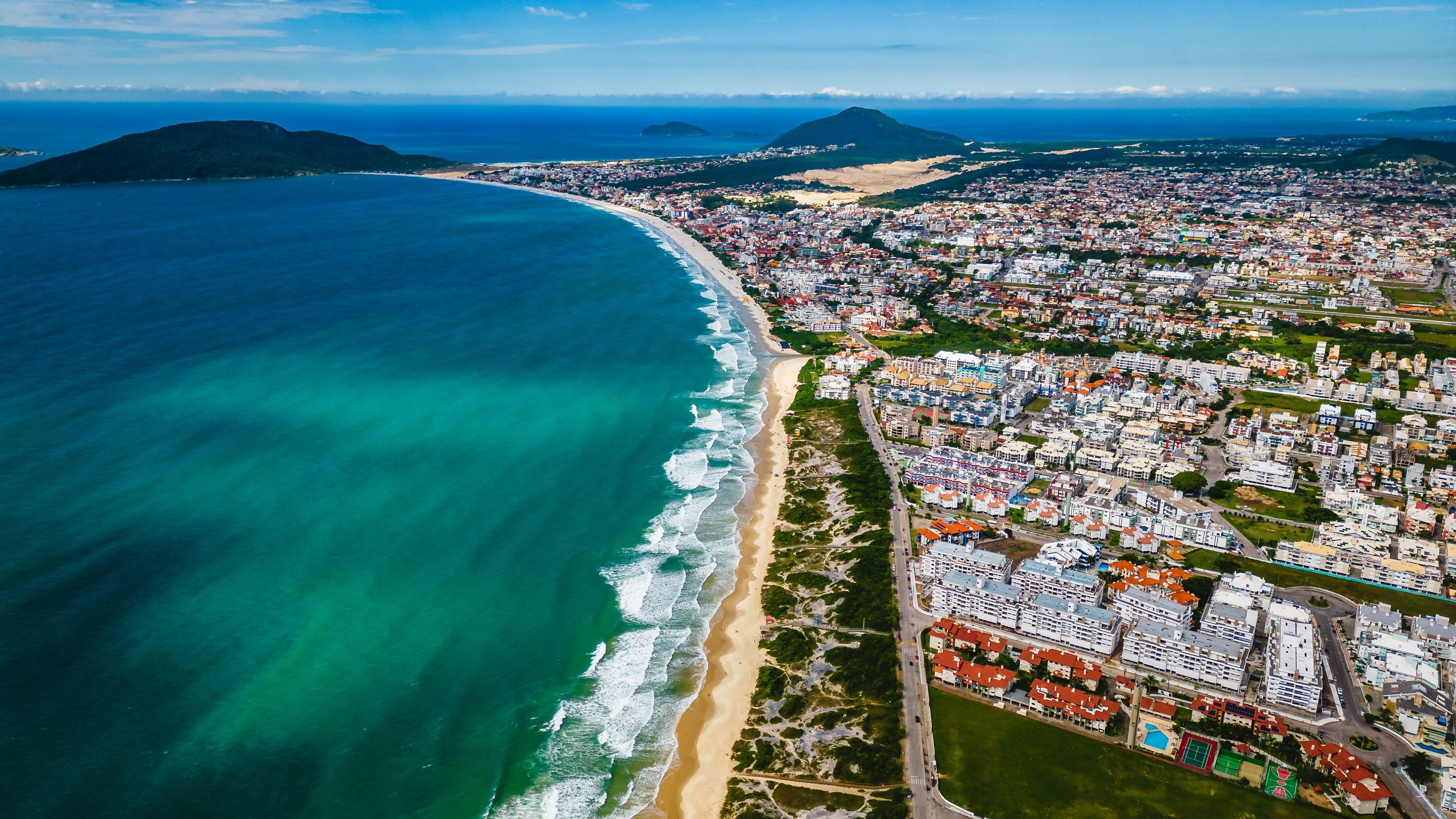
No single city is best for every retiree. The right choice depends on medical needs, climate, language comfort, transportation, safety tolerance and the kind of social life you want. Compare neighborhoods, not just city averages.
Florianópolis: Beaches, Nature and a Strong Quality of Life
Florianópolis combines island beaches, outdoor recreation and a developed urban economy. It appeals to retirees who want nature without giving up restaurants, shopping and private healthcare. Neighborhoods differ dramatically: some are urban and walkable; others are beach communities where a car is useful.
Summer crowds, seasonal rents and traffic can be frustrating. Winters are cooler than many visitors expect. Spend time on both the island and mainland, confirm flood exposure and internet quality, and measure travel time to the hospital you would actually use.
João Pessoa: Warm Beaches and a Slower Northeastern Pace
João Pessoa is often considered by retirees who want a coastal lifestyle at a gentler scale than Rio or São Paulo. Beachfront districts offer promenades, restaurants and apartment living. The climate is warm and humid, and the pace can feel relaxed.
Evaluate healthcare networks, building maintenance, security by block and seasonal weather. Oceanfront living can mean salt-air corrosion, higher condominium costs and noise. A lower advertised rent is not enough reason to choose a building.
Curitiba: Cooler Weather and Urban Organization
Curitiba is a strong candidate for retirees who prefer cooler weather, parks, established neighborhoods and a more temperate southern lifestyle. It has substantial private medical services and useful transportation, although living near preferred providers remains important.
Winters can feel damp and cold in buildings without the insulation or central heating common in North America. Visit in winter before deciding. Curitiba is inland, so beach lovers will need to travel.
Rio de Janeiro and Niterói: Iconic Scenery with Urban Tradeoffs
Rio offers unmatched scenery, beaches, cultural life, major hospitals and international flights. Retirees often consider Ipanema, Leblon, Copacabana, Botafogo, Flamengo and Barra da Tijuca. Niterói, across the bay, can provide a different balance of beach access and city life.
Costs and safety vary by street, building and daily routine. Rio requires realistic security habits, careful transportation choices and a well-researched neighborhood. Rent first, visit at night and in rain, and test the route to healthcare before buying.
Belo Horizonte: Food, Healthcare and an Inland Lifestyle
Belo Horizonte offers a celebrated food culture, established hospitals, an active social scene and access to the historic towns of Minas Gerais. It suits retirees who want a large city without living directly on the coast.
The hilly landscape can reduce walkability for anyone with mobility limitations. Traffic and summer rain also affect neighborhood choice. Prioritize a level, convenient area close to services.
Vitória and Vila Velha: Compact Coastal Alternatives
Vitória and neighboring Vila Velha combine beaches, urban services and a smaller scale than Rio. They may appeal to retirees seeking coastal living with access to hospitals, shopping and an airport.
Research bridge traffic, humidity, flood risk and neighborhood safety. The metropolitan area crosses municipal boundaries, so daily life can be more interconnected than a map suggests.
São Paulo: Best for Specialist Healthcare and Big-City Life
São Paulo is Brazil’s financial and medical powerhouse. It offers specialist hospitals, international restaurants, cultural institutions, major air connections and large expatriate networks. Retirees with complex medical needs may value those resources.
The tradeoffs are traffic, noise, higher premium-neighborhood costs and a fast pace. Choose a walkable neighborhood near your medical network rather than planning to cross the city for routine appointments.
Healthcare in Brazil: SUS, Private Plans and Self-Pay Care

Brazil’s Sistema Único de Saúde, known as SUS, is the public health system. The constitution establishes broad access, and emergency treatment may be available regardless of nationality. However, waiting times, facilities, specialist access and local capacity vary widely. A retiree should not assume that public access alone will provide the speed or continuity expected from private care.
Many middle-class Brazilians and expatriates use private healthcare. Options include regulated Brazilian health plans, employer or association plans, international insurance and direct payment. Local plans have defined networks and geographic coverage. Some offer national access, while others are regional. Age, medical history, waiting periods, copayments and reimbursement rules matter.
Request written quotes before moving. Confirm the hospitals, oncology centers, cardiologists, dentists, rehabilitation services and pharmacies in the actual network. Ask how pre-existing conditions are handled and whether coverage continues if you move states. Older applicants can face significant premiums.
U.S. Medicare generally does not pay for routine care outside the United States. Some retirees keep Part B to preserve future access and avoid late-enrollment penalties, but that decision depends on cost and return plans. Medical evacuation insurance can be useful in remote regions.
Climate and Health Risks
Brazil’s health risks differ by region. Mosquito-borne diseases such as dengue occur in many areas. The CDC recommends yellow-fever vaccination for many Brazilian states and destinations, though not solely for every coastal city. Recommendations depend on itinerary, age and medical history.
Heat, humidity, air quality, altitude and seasonal rain can affect chronic conditions. Retirees should consult a travel-medicine clinician, update routine vaccinations and carry a medical summary in Portuguese. Verify medication availability by generic name and never assume an imported brand will be stocked.
Renting and Buying Property in Brazil
Renting first is the safest strategy. Brazilian leases may require a guarantor, security deposit, insurance bond or prepaid structure. Condominium fees and the municipal property tax, IPTU, may be passed to the tenant depending on the contract. Have a bilingual professional explain the agreement before signing.
Foreigners can generally buy urban property without becoming residents, but rural land and property near national borders face significant restrictions. A purchase does not automatically grant residence. Buyers typically need a CPF, banking and source-of-funds documentation, and representation through the appropriate registry and notarial process.
Independent due diligence should verify the matrícula, ownership, liens, lawsuits, unpaid condominium charges, property taxes, permits, seller authority and occupancy. Brazil’s registry system makes the property record critical. Never rely only on a broker’s assurances or transfer money to an individual without documented legal review.
Closing costs can include transfer tax, notarial and registry fees, legal review and brokerage arrangements. Buyers should also understand capital-gains tax, rental-income tax, succession rules and how title will be held.
Banking, PIX and Moving Money
Brazil’s payment system is highly digital. PIX allows instant transfers and is used for everything from rent to small purchases. A CPF is central, while opening a full resident bank account usually requires residence identification, proof of address, tax information and source-of-funds documentation.
Keep two independent cards, an overseas emergency account and enough liquidity for unexpected delays. Compare transfer providers and bank spreads, not just advertised fees. Large incoming transfers may be held until the bank receives pension letters, tax returns, sale contracts or other evidence of lawful origin.
Brazilian deposit protection, investment products and account ownership rules differ from the United States. Do not move an entire retirement portfolio merely for convenience. Coordinate large transfers with both the receiving bank and a Brazilian accountant.
Safety and Choosing the Right Neighborhood
Safety in Brazil is local. National or citywide crime statistics cannot tell you how a particular street feels at 9 p.m. Common risks include phone theft, pickpocketing, robbery, card fraud and theft from vehicles. Violent crime is unevenly distributed but must be taken seriously.
Use a low-profile phone in public, avoid displaying jewelry, do not leave belongings visible in cars, and use reputable transportation after dark. Ask multiple local residents about specific blocks and routes. A secure building is helpful, but it does not replace safe habits.
Be cautious around ATMs, nightlife zones, empty beaches and unfamiliar shortcuts. Do not enter a favela or isolated area without informed local guidance. Enroll in the Smart Traveler Enrollment Program if you are a U.S. citizen and save consular and emergency contacts.
Portuguese, Culture and Social Life
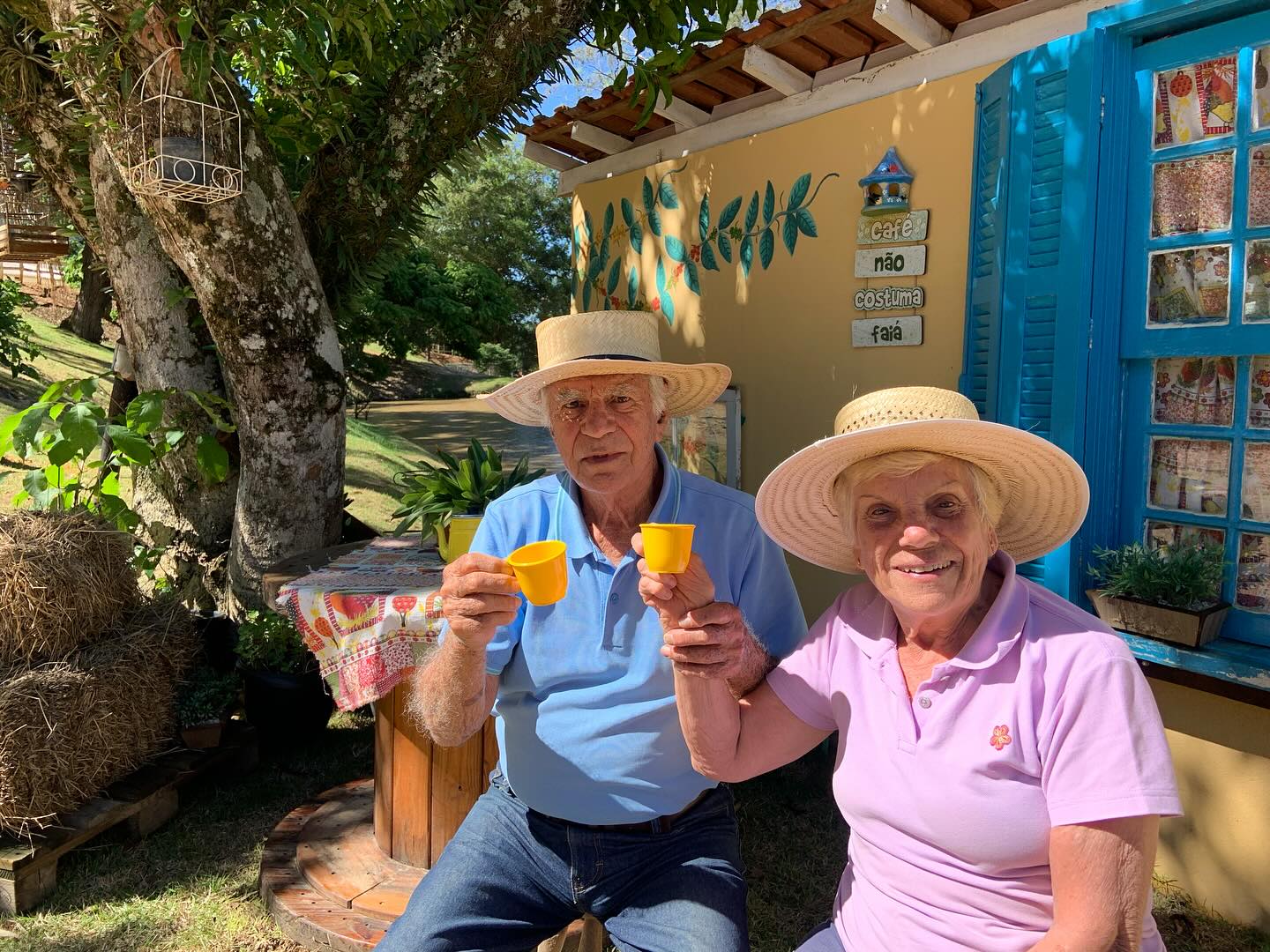
Portuguese is essential for long-term independence. Spanish is not a substitute, although it may help a beginner recognize words. Medical appointments, contracts, building meetings, government processes and deeper friendships all become easier with functional Portuguese.
Brazilian culture is social and relationship-driven. Warmth does not mean informality in every legal or financial context, so keep written records even when interactions feel friendly. Family, music, food and local celebrations shape daily life, but regional customs differ.
Join language exchanges, walking groups, churches, cultural centers, volunteer organizations and neighborhood activities. An expat group can help with arrival, but retirees who build Brazilian friendships usually have a richer and more resilient experience.
Transportation, Driving and Domestic Travel
Transportation depends on the city. São Paulo has extensive rail and metro coverage. Rio combines metro, buses, commuter rail and ferries. Smaller coastal cities may rely more heavily on buses, ride-hailing and cars.
A foreign driver’s license and International Driving Permit may be usable for a limited period, after which residents may need a Brazilian license. Confirm the current rule with the state traffic department, DETRAN. Insurance, tolls, parking and traffic enforcement vary.
Domestic flights are important because distances are large. Choose a retirement base partly by airport access if you expect frequent U.S. visits. Night buses can be comfortable between some cities, but flying is more practical across regions.
Moving Pets and Household Goods
Pet entry normally requires veterinary documentation and compliance with Brazil’s agricultural authority. Requirements vary by species and origin. Confirm microchip, vaccination, parasite treatment and health-certificate timing before booking.
Importing household goods can be complicated. Customs treatment depends on immigration status, timing and documentation. Compare professional shipping with selling and replacing items. Electronics may face compatibility issues because voltage can be 110/127 or 220 volts depending on location, and plug standards differ from those in the United States.
Estate Planning, Marriage and Inheritance
Brazilian succession law can affect property and other local assets, and forced-heirship concepts may limit complete freedom of disposition. Marital-property regimes can also influence ownership. A U.S. will alone may not resolve every Brazilian issue.
Before buying property, ask a Brazilian estate lawyer how ownership, marriage, beneficiaries, probate and taxes would work. Coordinate any Brazilian will or structure with your U.S. estate plan so that documents do not contradict one another.
Climate, Flooding and Environmental Risks
Brazil’s climate varies from equatorial Amazon heat to subtropical southern winters. Retirement brochures often emphasize sunshine while ignoring humidity, mold, seasonal smoke, flooding, landslides and heat. Test a city during its least comfortable season before signing a long lease.
Coastal buildings face salt-air corrosion. Southern homes may feel cold because heating and insulation differ from North American expectations. In tropical areas, air-conditioning costs and mosquito control become routine household expenses. Ask about drainage, prior floods, backup water and power reliability.
Dengue and other mosquito-borne illnesses occur in many regions. Eliminate standing water, use screens and repellents, and follow local health alerts. The CDC recommends yellow-fever vaccination for many Brazilian states and destinations, subject to age, health and itinerary.
Aging in Place and Long-Term Support
A retirement city should still work if driving, vision or mobility changes. Evaluate sidewalks, hills, elevators, grocery delivery, home nursing, rehabilitation, specialist access and the route to an emergency department. A beautiful beach town may be less practical after a serious health event.
Brazil has private home-care services and senior residences, but standards, staffing, language and costs vary. Visit facilities before a crisis and ask how medications, dementia care, emergency transfers and family communication are managed.
Create local powers of attorney and medical decision documents with qualified counsel. Keep a Portuguese medical summary and make sure a trusted person can reach accounts, insurance information, doctors and family contacts.
Emergency Contacts and Personal Preparedness
Brazil’s nationwide emergency numbers include 190 for military police, 192 for SAMU medical emergencies and 193 for firefighters. Confirm local alternatives and the nearest emergency facility after moving because response patterns and private ambulance options differ by city.
Keep a go-bag with water, medication, copies of identification, power banks, flashlight, cash and emergency contacts. Coastal and hillside residents should understand flood and landslide routes. Store key documents securely online and keep a paper copy accessible.
U.S. citizens should enroll in the Smart Traveler Enrollment Program and record the appropriate embassy or consulate. Family members should know how to reach you without relying on a single phone or messaging service.
Useful Portuguese for a New Retiree
Learning a few practical phrases makes the first weeks easier: “Preciso de ajuda” means “I need help”; “Onde fica o hospital?” asks where the hospital is; “Tenho alergia a…” explains an allergy; “Quanto custa?” asks the price; and “Pode escrever, por favor?” asks someone to write the information down.
For housing, learn aluguel (rent), condomínio (building fee), caução (deposit), contrato (contract) and vistoria (inspection). For healthcare, learn pronto-socorro (emergency department), receita (prescription), exame (test) and plano de saúde (health plan).
Do not sign a Portuguese contract based only on a verbal English summary. Use a qualified translator or bilingual lawyer for immigration, property, insurance and financial documents.
A Detailed 12-Month Moving Plan
| Timing | Key actions |
|---|---|
| 9–12 months | Define climate and lifestyle priorities; begin Portuguese; consult Brazil–U.S. tax advisers; review medical needs. |
| 6–9 months | Scout two or three cities; test neighborhoods; confirm VITEM XIV requirements; obtain health-plan quotes. |
| 3–6 months | Order police and civil records; obtain apostilles; prepare pension evidence; organize source-of-funds records. |
| 1–3 months | File the visa application as instructed; arrange temporary housing; prepare translations; review prescriptions. |
| First 30 days | Obtain local phone service and CPF if needed; document entry; schedule Federal Police registration; learn safe routes. |
| First 90 days | Complete residence registration and CRNM process; select healthcare; open eligible banking; hire an accountant. |
| Months 4–12 | Track tax-residency date; file monthly and annual obligations; compare neighborhoods; delay buying until confident. |
Common Mistakes Retirees Make in Brazil
The most common mistake is choosing a vacation neighborhood as if it were automatically a good full-time home. Others include underestimating Portuguese, assuming a CPF equals tax residence, ignoring condominium fees, relying on public healthcare without a backup, buying before renting and transferring money before the bank approves the documentation.
Retirees also underestimate humidity, summer crowds, traffic and distance to specialist care. The cure is a staged move: research, scouting stay, professional tax review, temporary rental, residence registration, healthcare setup and only then a purchase decision.
Frequently Asked Questions About Retiring in Brazil
Can an American retire in Brazil?
Yes. Americans who satisfy the current retiree residence requirements may apply through the appropriate Brazilian consular or immigration process. Approval depends on documentation and current rules.
How much income is required for Brazil’s retirement visa?
Current official guidance states at least US$2,000 per month in qualifying retirement income transferable to Brazil. Confirm the amount and acceptable income evidence before filing.
Does buying property give me residency?
No. Urban property ownership and immigration residence are separate. Brazil also has a distinct real-estate investment route with its own thresholds and rules.
Will Brazil tax my Social Security and pension?
Brazilian tax residents are generally taxed on worldwide income, but the result depends on income type, timing and available credits. Obtain advice covering both Brazilian and U.S. law.
Does Brazil have a tax treaty with the United States?
There is no comprehensive U.S.–Brazil income-tax treaty currently in force. There is, however, a Social Security totalization agreement.
Can I use Medicare in Brazil?
Medicare generally does not cover routine healthcare outside the United States. Retirees usually use a Brazilian private plan, international insurance, self-pay care or a combination.
Do I need Portuguese?
Yes for independent long-term living. English is not consistently available outside tourism and some private medical or business settings.
Where is the safest place to retire?
Safety differs by neighborhood and routine, not merely by city. Research recent local conditions, building security, transportation and evening routes before leasing.
Can foreigners use Brazil’s public healthcare system?
Brazil has a universal public system, but practical access, wait times and local capacity vary. Long-term retirees should plan for private coverage or funds for self-pay care.
Should I buy a home immediately?
Usually not. Rent for at least six to twelve months so you understand the neighborhood, climate, condominium costs and healthcare access.
Is Retiring in Brazil Right for You?
Brazil can be an exceptional retirement destination for people who want warmth, cultural energy, beautiful landscapes and a more social daily life. It offers far more variety than the familiar images of Carnival and Copacabana suggest.
The best results come from careful local choices. Learn Portuguese, model taxes before arriving, obtain written healthcare quotes, rent before buying and maintain financial flexibility. When those foundations are in place, retiring in Brazil can become a rewarding long-term lifestyle—not merely an extended vacation.
Official Resources and Further Reading
- Brazil retiree visa guidance (VITEM XIV)
- Brazilian Federal Police immigration services
- Receita Federal CPF services
- National Supplementary Health Agency (ANS)
- U.S.–Brazil Social Security agreement
- CDC health information for Brazil
- U.S. Embassy and Consulates in Brazil
Continue planning your retirement abroad
Explore More Retirement Guides by Country
Compare residency options, healthcare systems, living costs, taxes and lifestyles in other destinations before deciding where to retire.
View All Retirement Guides