Retiring in Belize offers something rare in Latin America and the Caribbean: an English-speaking country with a recognized retirement program, Caribbean islands, extensive reef, Maya sites and tropical mainland communities—all within a short flight of the United States.
Belize is also a place where distance is deceptive. A home on Ambergris Caye may require a flight or boat before reaching advanced care. A property near San Ignacio offers road access and jungle scenery but a different climate and social life. Placencia feels like a beach retreat until a storm, medical emergency or peak-season rental market tests the logistics.
A successful Belize retirement therefore begins with four questions: Which residence status fits? Where will serious healthcare happen? Can the home withstand tropical weather? Does the budget include imported goods, insurance, evacuation and island transport? This guide turns the dream into a plan.
Belize Retirement at a Glance
| Planning question | Practical answer |
|---|---|
| Qualified Retirement Program | Age 40+, approved foreign retirement income, security clearance and annual presence |
| Income requirement | US$2,000 monthly or US$24,000 annually from outside Belize |
| Annual presence | At least 30 consecutive days under QRP |
| Ordinary residence | Generally one qualifying year with no more than 14 total days abroad |
| Work | QRP does not permit ordinary local employment; special approved business rules exist |
| Tax treatment | QRP exemption for qualifying foreign income; Belize-source activity needs advice |
| Healthcare | Basic and routine care available; complex cases commonly require evacuation |
| Currency | Belize dollar fixed at BZ$2 to US$1 |
Why Retire in Belize?
English is Belize’s official language. Contracts, government services, medical conversations and everyday transactions are more accessible to English-speaking retirees than in most regional alternatives. Belizean Kriol is widely heard, while Spanish, Garifuna, Mopan and Q’eqchi’ Maya languages reflect the country’s cultural depth.
The Caribbean coast and cayes provide diving, snorkeling, sailing and fishing around the Belize Barrier Reef. Inland districts offer rivers, caves, wildlife reserves, farms and Maya archaeological sites. The pace is slower, the population is small and community connections can form quickly.
Why Belize appeals
- English-speaking legal and daily environment
- QRP available from age 40
- Foreign-income and import incentives for qualified retirees
- Caribbean reef, beaches, islands and jungle
- Currency fixed at two Belize dollars to one U.S. dollar
- Direct flights from North America
- Established expat communities
Challenges to plan around
- Advanced healthcare is scarce
- Medical evacuation may be necessary
- Level 2 U.S. travel advisory for crime
- Hurricane, flooding and storm-surge exposure
- Imported goods and island living can be expensive
- Roads, utilities and emergency response vary
- Property title, shoreline and construction risks
Geography, History and Culture
Belize sits on the Caribbean coast between Mexico and Guatemala. It is slightly larger than Massachusetts but has a small, dispersed population. The northern lowlands, central coastal plain, Cayo hills, Maya Mountains, southern rainforest and offshore cayes create distinct retirement settings.
Maya civilization flourished across the region, leaving major sites such as Caracol, Xunantunich, Lamanai and Altun Ha. British logwood and mahogany settlement led to the colony of British Honduras. Belize became fully independent in 1981 while retaining Commonwealth connections.
Modern Belize includes Creole, Mestizo, Maya, Garifuna, Mennonite, East Indian, Chinese, Middle Eastern and other communities. Garifuna Settlement Day, September celebrations, village festivals and food traditions are part of living culture rather than tourist decoration. Rice and beans, stew chicken, fry jacks, seafood and corn-based dishes change by region.
English reduces one barrier, but cultural fluency still matters. Belizean Kriol has its own history and identity. Retirees should listen before correcting language, respect Indigenous and Garifuna communities, and understand that island tourism culture does not represent the entire country.
Climate and the Best Time to Scout
Belize is tropical, with a drier season generally from late November into spring and a wetter period through much of the remaining year. Northern Belize is often drier than the south. Coastal and island locations receive sea breezes but remain humid; inland Cayo can feel hotter by day and cooler at night.
The Atlantic hurricane season overlaps with the wet season. Tropical storms can bring wind, surge, flooding, roof damage, road closures and long utility outages even without a direct hurricane landfall. A dry-season visit does not reveal these weaknesses.
Scout twice. During dry months, test heat, water availability and dust. During rainy months, inspect drainage, roof, mold, mosquitoes, road access and ferry or flight reliability. Ask how long electricity and water failed during the last major storm.
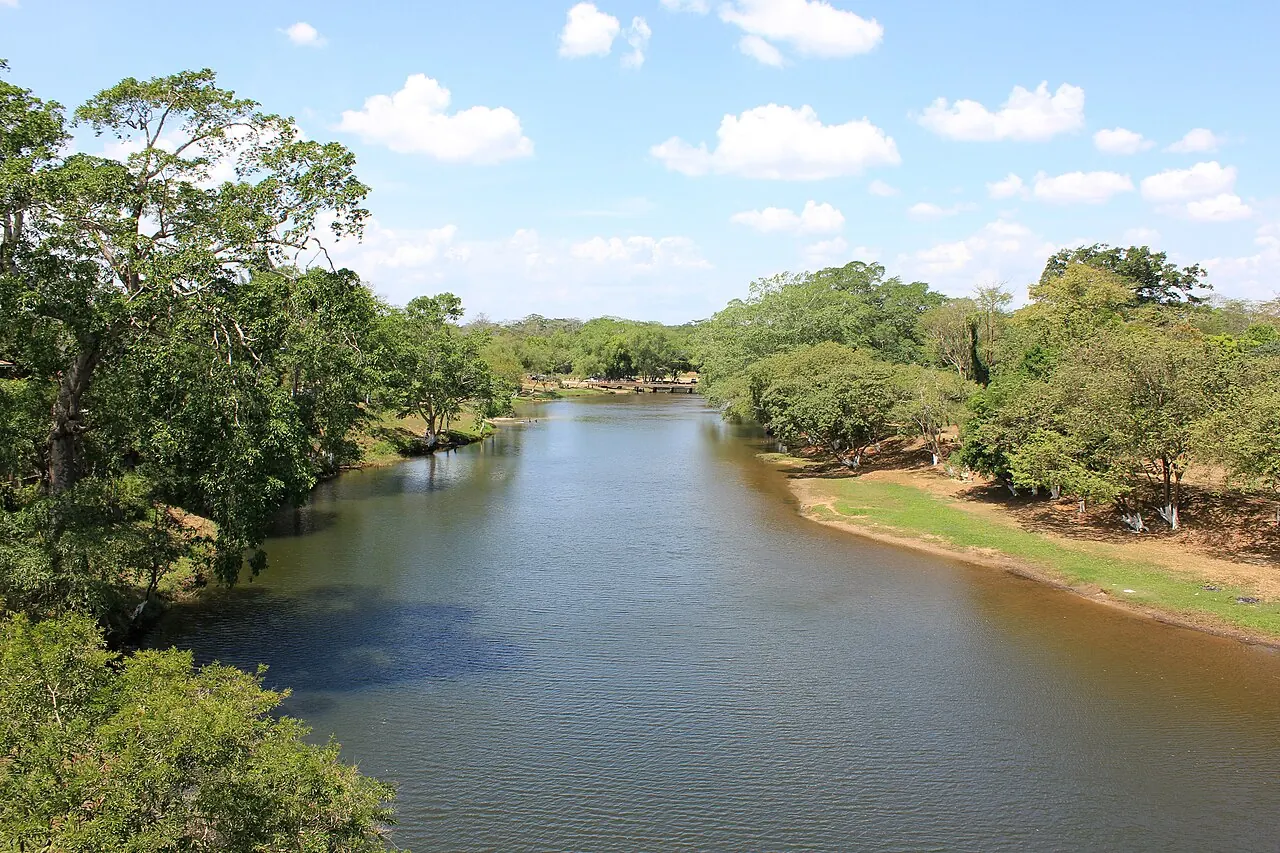
Visiting Belize Before You Move
U.S. citizens generally do not need a visa for visits of 30 days or less. A passport valid for the stay, at least one blank page, onward or return travel and sufficient funds are expected. Anyone staying longer must obtain monthly visitor extensions and pay the current fee.
Current State Department guidance describes a US$100 monthly extension charge, normally used for up to six months before extra documentation may be required. Confirm the process with Belize Immigration; paying extensions is not the same as holding QRP or permanent residence.
Use an extended visit as a simulation. Rent outside the resort zone, shop in normal stores, travel to a clinic, use banking and internet, and test the route to an international airport. Stay through heavy rain before signing a long lease or buying.
Belize’s Qualified Retirement Program
The Qualified Retirement Program is administered by the Belize Tourism Board. An applicant must be at least 40, receive at least US$2,000 per month or US$24,000 annually from an approved source outside Belize, pass security clearance and undertake to deposit the required amount into a licensed Belize bank, credit union or financial institution.
Unlike programs restricted to traditional pensions, the QRP recognizes a broad range of retirement resources. Official guidance lists pension, annuity, Social Security, investment accounts, inheritance, reverse mortgage, personal savings, retirement plans and other approved income.
The principal member must remain in Belize for at least 30 consecutive days each year. The QRP card is renewed annually. Dependents may include a spouse and minor children; official rules also provide limited treatment for older children who remain in university. Verify dependency and financial documentation before filing.
Typical QRP application documents
- Completed application for principal and each dependent
- Certified birth and marriage records
- Police record issued within the accepted period
- Certified copy of every passport page, including blanks
- Proof of at least US$2,000 monthly or US$24,000 annual foreign income
- Financial statements showing receipt of that income
- Written undertaking to deposit required funds locally
- Medical examination and currently required laboratory results
- Two passport photographs in the required certification format
- Security clearance and application fees
QRP incentives
Official benefits include multiple-entry QRP residence, duty and tax exemptions for qualifying personal effects imported during the first year, and conditional import benefits for a recent-model motor vehicle, light aircraft or motorboat. QRP members are also exempt from Belize taxes and duties on qualifying income received from outside Belize, capital gains tax and inheritance tax under the program.
Do not ship immediately after approval. The Belize Tourism Board requires advance procedures and a master shipping list for exemption letters. Storage, freight, port, broker, inspection and non-exempt items can still be costly.
Can a QRP operate a business?
QRP status is not ordinary work authorization. A special approval process exists for a QRP business, but official guidance requires a detailed plan, at least BZ$1 million—US$500,000—in investment capital, at least 90 non-consecutive days of residence and employment of at least five Belizean citizens. A retiree casually freelancing or opening a café should not assume approval.
Ordinary Permanent Residence
Ordinary permanent residence is separate from QRP and may better suit someone who wants a conventional immigration path, local employment rights or eventual citizenship. Belize Immigration states that the usual applicant must live legally in Belize for one year and not leave for more than 14 total days during that qualifying year.
The presence requirement is demanding. Visitor extensions must remain current, and travel days should be documented carefully. The applicant must show financial ability, good character and compliance. Confirm whether unavoidable medical or family travel affects the calculation before leaving.
QRP and permanent residence should be compared before choosing. QRP has a lower annual presence requirement and valuable exemptions but is renewed annually and restricts ordinary work. Permanent residence has a difficult qualifying year but can offer a more conventional long-term status. Citizenship has separate residence and absence rules.
Taxes, Banking and U.S. Reporting
Belize generally uses territorial or source-based concepts, focusing on income arising in Belize. QRP members receive explicit exemptions on qualifying foreign income under the program. Local rental income, employment, services and business activity may still create income or business-tax obligations.
The location of a client or bank account does not necessarily settle the source of active work. A retiree working online from Belize needs local immigration and tax advice. QRP restrictions and tax source rules are separate.
U.S. citizens and resident aliens generally continue reporting worldwide income. Belize does not appear on the IRS list of comprehensive U.S. income-tax treaties. FBAR, Form 8938, company reporting and state domicile may apply. A Belize exemption does not cancel U.S. obligations.
The Belize dollar is fixed at two to one U.S. dollar, and U.S. currency is widely accepted. Banks apply documentation and due-diligence requirements. Keep primary investment assets diversified abroad, maintain two cards and retain accessible emergency funds for evacuation.
Cost of Living in Belize
Belize can be affordable inland, but island and premium coastal life is expensive. Imported food, appliances, fuel, electricity, insurance, building materials and transport raise costs. Ambergris Caye pricing differs sharply from Corozal or San Ignacio.
| Monthly category for two | Planning range (US$) | What changes it |
|---|---|---|
| Long-term rent | $650–$2,000+ | Island, beachfront, furnishings, storm standard and season |
| Utilities and communications | $180–$500 | Air-conditioning, water system, generator and island rates |
| Food and household goods | $500–$1,100 | Local produce versus imported brands |
| Transport | $180–$750 | Golf cart, car, ferry, domestic flights and fuel |
| Healthcare and insurance | $350–$1,600+ | Age, exclusions and evacuation destination |
| Leisure and household help | $250–$800 | Diving, boating, dining and domestic help |
| Storm/emergency reserve | $250–$600 | Evacuation, deductible, repairs and temporary housing |
An inland or northern couple living locally might plan around US$1,900–$3,000 monthly. A comfortable Ambergris Caye, Placencia or resort-corridor lifestyle with air-conditioning, insurance and imported goods can require US$3,200–$5,500 or more.
Budget separately for QRP renewal, visitor extensions before approval, international flights, legal work, storm shutters, generator maintenance, pest control and medical travel. The cheapest budget often ignores the exact protections a retiree needs.
Best Places to Retire in Belize
Ambergris Caye and San Pedro
Ambergris Caye has Belize’s largest expat and tourism ecosystem, with restaurants, shops, clinics, diving and flights to the mainland. San Pedro is lively and expensive. Golf-cart traffic, construction, water, waste, salt corrosion and hurricane evacuation require planning. Complex medical care means leaving the island.
Placencia Peninsula
Placencia combines Caribbean beaches, restaurants and mainland road access. The peninsula is more relaxed than San Pedro but has become costly. Storm surge, drainage, evacuation bottlenecks and insurance should shape any property decision.
Corozal
Corozal near the Mexican border attracts retirees seeking lower costs, a calmer bay and access to shopping or medicine in Mexico. It is less resort-oriented and can feel more authentically residential. The bay is not the same white-sand beach experience as the cayes.
San Ignacio and the Cayo District
San Ignacio offers markets, rivers, caves, farms and access to Maya sites. Housing and land can be better value, and road links make mainland travel easier. Heat, insects, hills and distance from advanced care are trade-offs.
Belmopan
The small inland capital has government offices, the U.S. Embassy, universities and a central location. It lacks the beach romance many newcomers imagine but can be practical for administration, road access and a quieter routine.
Hopkins and the south
Hopkins is known for Garifuna culture, beach access and proximity to the Maya Mountains. Dangriga and Punta Gorda offer other southern lifestyles. Rainfall, storm exposure, thinner healthcare and fewer imported conveniences require self-reliance.
| Location | Best for | Main compromise | Medical strategy |
|---|---|---|---|
| Ambergris Caye | Island community and reef access | Cost, congestion and evacuation | Routine clinic; fly out for serious care |
| Placencia | Beach with mainland connection | Price and storm exposure | Regional stabilization; international backup |
| Corozal | Value and Mexico access | Limited specialist depth | Plan cross-border or air transfer |
| San Ignacio | Nature, culture and mainland value | Heat and distance from advanced care | Belmopan/Belize City plus evacuation |
| Belmopan | Practical administration and centrality | Small, quiet and inland | Local basics; evacuation for complex care |
| Hopkins/south | Culture and lower-density coast | Rain, storms and thin services | Strong evacuation coverage |
Famous Places and Retirement Adventures
The Belize Barrier Reef and Great Blue Hole anchor the country’s international reputation. Snorkeling, diving, sailing, fly-fishing and wildlife tours are accessible from multiple coastal communities. Retirees should use licensed operators and honestly assess swimming, cardiac and mobility capacity.
Inland Belize offers Caracol, Xunantunich, Lamanai and Altun Ha, along with caves, rivers and reserves. The Cayo District provides access to Mountain Pine Ridge, while southern Belize connects Garifuna culture, jungle and marine environments.
Slow travel is one of retirement’s advantages. Visit villages outside cruise hours, hire local guides and learn the history behind archaeological and cultural sites. Reef protection, fishing rules and marine-reserve fees support the resources that make Belize attractive.
Healthcare and Medical Evacuation
Healthcare is Belize’s most serious retirement limitation. Minor and routine care is available in urban areas, but advanced treatment is scarce even in Belize City and Belmopan. Rural and island facilities may lack imaging, specialists, intensive care, blood products and reliable overnight staffing.
The State Department warns that ambulance services may be unavailable or significantly delayed and serious illness normally requires evacuation to another country. This is not a remote possibility to hide in fine print; it should determine the town, insurance and emergency fund.
Original Medicare and Medicaid generally do not cover Belize. Private and public hospitals may require upfront cash or proof of accepted insurance, and cards are not always usable. Compare international policies for pre-existing conditions, age renewal, direct billing, evacuation destination and repatriation.
Create a written plan for Mexico, Guatemala or the United States. Know which provider authorizes the aircraft, which hospital will accept you and who pays first. Keep a bilingual medical summary even though English is official because receiving facilities may be elsewhere.
Dengue and other mosquito-borne diseases, heat, food safety and water quality vary. Inspect a home’s cistern, filtration, septic system and drainage. Keep prescriptions in original packaging and verify local supply before moving.
Buying Property in Belize
Foreigners can generally buy and hold freehold title, but the apparent simplicity creates overconfidence. Belize does not have the same consumer-protection structure or standardized multiple-listing environment many North Americans expect. Use an independent Belizean attorney, surveyor and inspector.
Verify title at the Lands and Surveys Department, seller identity, liens, taxes, boundaries, legal access, planning approval and occupancy. Coastal setbacks, mangroves, reserves, dredging, docks and fill require environmental and planning analysis. On islands, access and utilities may be informal or expensive.
Foreign buyers are often quoted stamp duty of about eight percent after applicable thresholds, while other rates may apply by nationality or transaction. Official assessment and current law control, so confirm the calculation before contracting.
- Commission a current registered survey and locate every boundary marker.
- Confirm whether title is freehold, leasehold, strata or another interest.
- Check road, boat or easement access in all seasons.
- Inspect hurricane straps, roof, elevation, drainage and flood history.
- Verify water, septic, grid capacity, generator and internet.
- Review condominium reserves, insurance and storm assessments.
- Use controlled closing funds and independent title review.
- Rent through a wet season before buying.
Safety and Transportation
Belize is currently Level 2—Exercise Increased Caution—because of crime. Official guidance recommends reconsidering travel to Southside Belize City, where gang-linked violence is concentrated. Violent crime, sexual assault, home invasion and armed robbery can occur elsewhere, including tourist areas.
Choose secure housing, avoid displaying wealth, remain alert at ATMs and do not resist an armed robbery. Avoid walking or driving after dark in unfamiliar areas. Police resources and prosecution rates are limited, so prevention matters.
Roads vary, with speed bumps, pedestrians, animals, poor lighting and weather damage. Do not drive between cities at night. Island golf carts and water taxis create their own risks. Verify the last ferry or flight before medical appointments and international connections.
Hurricanes, Flooding and Home Resilience
Every Belize retirement plan needs a hurricane chapter. Know the elevation, storm-surge zone, evacuation route and shelter. A beautiful seafront home may be uninsurable or require a deductible large enough to function like self-insurance.
Ask for the property’s storm and flood history. Inspect roof tie-downs, shutters, foundation, drainage, tree exposure, generator connection, fuel storage, cistern and communications. Condominium buyers need the master insurance policy, exclusions, reserves and post-storm assessment authority.
Keep passports, medications, cash, water, chargers and documents ready during hurricane season. Decide in advance when to leave an island. Waiting for an official evacuation can mean full flights, rough seas or unavailable rooms inland.
Daily Life, Utilities and Community
The fixed exchange rate simplifies conversion, but local prices are in Belize dollars and U.S. change practices vary. Keep small denominations. Imported products cost more because of freight and duties, while local produce, seafood and services can provide value.
Electricity is expensive enough that continuous air-conditioning changes the budget. Test mobile and internet service at the actual address. Ask about outages, generator capacity, water pressure and who repairs systems on weekends.
Belize’s small population can make community welcoming but also reduce anonymity. Expat groups are useful for introductions, yet local relationships matter more. Participate respectfully through churches, conservation organizations, cultural events, sports and volunteering.
Belize is diverse but socially conservative in some communities. Same-sex relationships are legal, while experiences vary by place. Research the exact town and build trusted networks rather than assuming resort tolerance applies everywhere.
Aging in Place and Estate Planning
An island retirement can become difficult after a fall, stroke or cancer diagnosis. Choose one-level housing, safe steps, vehicle or dock access, and a location from which caregivers and emergency transport can reach you. Determine whether an adult child can arrive quickly.
Domestic help is not skilled nursing. Ask who will manage medications, mobility, wound care or dementia. Consider keeping a seasonal or permanent fallback near advanced healthcare outside Belize.
Use Belizean and home-country counsel for wills, powers of attorney and healthcare directives. Cross-border property and accounts complicate probate. Keep copies of passport, QRP card, insurance, medications, doctors, title or lease and banking contacts in secure cloud storage and with a trusted person abroad.
A 12-Month Belize Move Plan
| Timing | Action | Decision test |
|---|---|---|
| 12–10 months | Compare QRP with permanent residence and price evacuation insurance | Can coverage accept your age and conditions? |
| 10–8 months | Scout one island, one coastal and one inland community | Which location works after tourism excitement fades? |
| 8–6 months | Confirm qualifying income, taxes and annual presence | Does QRP fit work and citizenship goals? |
| 6–4 months | Return during rain; inspect storm and medical logistics | Can you evacuate the home and the country? |
| 4–2 months | Collect time-sensitive records and secure a long rental | Can the move be reversed without selling assets? |
| Move month | Arrive lightly, keep visitor status current and track documents | Are emergency funds accessible in two ways? |
| Months 1–6 | Establish doctors, pharmacy, transport and local bank | Can routine life work without resort services? |
| Months 7–12 | Complete both seasons and review actual costs before buying | Would you choose the same community now? |
Common mistakes
- Assuming QRP is the same as permanent residence or citizenship.
- Believing only a pension can satisfy QRP income.
- Missing the 30-consecutive-day annual QRP presence rule.
- Working locally without QRP business approval or work authorization.
- Buying island property before testing storms, transport and utilities.
- Relying on Medicare or a credit card’s emergency benefit.
- Failing to price medical evacuation and upfront hospital payments.
- Underestimating imported food, electricity and insurance.
- Driving between towns at night.
- Shipping household goods before receiving exemption approval.
Is Belize Right for Your Retirement?
Belize fits retirees who prioritize English, nature, Caribbean access, a low annual QRP presence requirement and a small-country lifestyle. The strongest candidate is healthy, well insured, comfortable with uneven infrastructure and financially prepared to evacuate for serious treatment.
It is a weak fit for someone dependent on frequent advanced medical care, seeking inexpensive luxury island living, uncomfortable with hurricane planning or unwilling to investigate title and construction carefully.
Compare Belize with Panama, Guatemala, Mexico, Costa Rica and other choices through the complete retirement guide directory.
Frequently Asked Questions
Can a U.S. citizen retire in Belize?
Yes. Applicants age 40 or older who meet foreign-income and security requirements may qualify for Belize’s Qualified Retirement Program. Ordinary permanent residence is a separate route requiring substantial physical presence during the qualifying year.
How much income is required for Belize’s QRP?
The Belize Tourism Board requires at least US$2,000 per month or US$24,000 annually in approved foreign-currency retirement income from outside Belize, together with a written undertaking to deposit the required amount in a licensed Belize financial institution.
Does QRP income have to be a traditional pension?
No. Official QRP guidance accepts sources including pensions, annuities, Social Security, investment accounts, inheritance, reverse mortgages, personal savings and retirement plans, subject to proof and approval.
How much time must a QRP spend in Belize?
A QRP must remain in Belize for at least 30 consecutive days annually. The QRP resident card is renewed annually, with updated documentation and local financial statements required.
Can a QRP work in Belize?
Ordinary local employment is not allowed under QRP status. Approved voluntary, investment and mainly foreign-facing business activities may be possible. A special QRP investor-business pathway has significant capital, presence and Belizean-employment requirements.
What is the difference between QRP and permanent residence?
QRP is an incentive-based retirement status administered through the Belize Tourism Board and renewed annually. Ordinary permanent residence is an immigration status generally available after one year of legal residence with no more than 14 total days outside Belize during that year.
Does Belize tax foreign retirement income?
Official QRP benefits exempt qualifying members from Belize taxes and duties on income from outside Belize, as well as capital-gains and inheritance tax under the program. Local work, business, rent and Belize-source income require separate advice.
Is Belize safe for retirees?
The U.S. State Department rates Belize Level 2—Exercise Increased Caution—because of crime and advises reconsidering travel to Southside Belize City. Violent crime can occur elsewhere, and retirees should avoid intercity driving after dark and use location-specific security practices.
Can foreigners buy property in Belize?
Foreigners can generally hold freehold title, but an independent Belizean attorney should verify title, survey, access, taxes, planning approval, shoreline or reserve restrictions and any occupants. Foreign buyers should confirm the current stamp duty before signing.
Does Medicare work in Belize?
Original Medicare and Medicaid generally do not cover care in Belize. Advanced treatment is scarce and serious illness often requires evacuation to Mexico, Guatemala or the United States, making international and evacuation insurance essential.
What are the best places to retire in Belize?
Popular choices include Ambergris Caye for island services, Placencia for beach living, Corozal for lower-cost Caribbean access, San Ignacio for inland nature, Belmopan for government services and Hopkins for Garifuna culture. Each has different medical and hurricane exposure.
Is English widely spoken in Belize?
Yes. English is the official language, which is a major retirement advantage. Belizean Kriol, Spanish, Garifuna and Maya languages are also important parts of daily life and culture.
Official and Planning Resources
- Belize Tourism Board Qualified Retirement Program
- Belize Immigration
- U.S. State Department Belize advisory
- U.S. Embassy in Belize
- CDC Belize traveler health
- Belize Tax Service
- Belize Lands and Surveys resources
- Belize Customs and Excise
- Belize National Emergency Management Organization
Explore More Retirement Guides
Compare Belize with every completed Investing Travels guide:
Americas
Europe and all destinations
Browse all published and upcoming destinations.
Retirement Guides by CountryTags: Belize retirement, retire in Belize, retiring in Belize, moving to Belize, Belize expat guide, Belize QRP, Qualified Retirement Program, Belize residency, Ambergris Caye retirement, Placencia retirement, Belize healthcare, Belize cost of living, retirement abroad