Retiring in Bali can mean warm weather, layered Hindu culture, abundant wellness services, a large international community and a lifestyle ranging from rice-field quiet to sophisticated beachfront living. It can also mean tropical mold, difficult traffic, inconsistent sidewalks, changing visa rules and property arrangements that require more legal care than many buyers expect. Bali rewards retirees who plan carefully and punishes those who confuse a beautiful vacation with ordinary daily life.
Why Retire in Bali?
Bali combines qualities that are difficult to find in one small place. A retiree can attend a temple procession in the morning, see a specialist in Denpasar, eat almost any international cuisine and watch sunset over the Indian Ocean on the same day. Domestic help, massage, fresh produce and local meals can remain affordable, while private villas and luxury restaurants reach global prices.
The island has a mature service economy for foreign residents. English is widely used in international clinics, property agencies, restaurants and visa services. Communities form around yoga, diving, arts, volunteering, entrepreneurship and faith. Yet integration requires more than living near other foreigners. Indonesian language basics and respect for Balinese Hindu traditions make daily life easier and more meaningful.
What Bali does well
- Warm tropical climate and dramatic landscapes
- Large, diverse international community
- Private clinics and everyday medical services
- Excellent restaurants and wellness options
- Domestic help and personal services
- Frequent flights to Asian and Australian hubs
- Strong cultural life and outdoor activities
What retirees underestimate
- Traffic and road-injury risk
- Humidity, mold and wet-season flooding
- International insurance costs after age 65
- Complex visa and work restrictions
- No ordinary foreign freehold ownership
- Noise from building, animals and ceremonies
- Distance from top-tier specialist hospitals
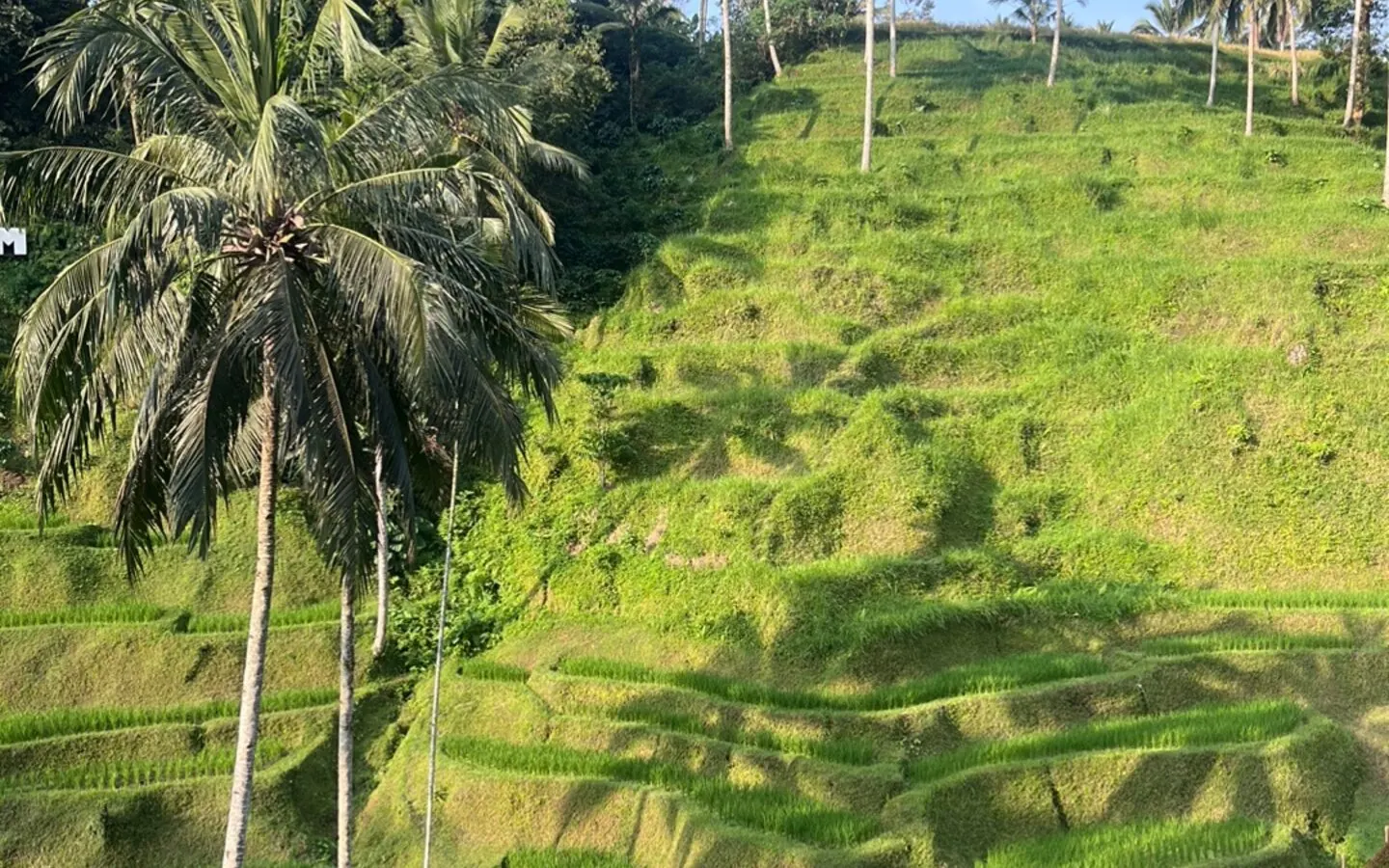
Retiring in Bali: Visa and Residency Options
Bali is an Indonesian province, so Indonesian Immigration controls every visa and stay permit. A visa on arrival is for a short visit, not retirement. Repeated extensions or border runs are a fragile foundation for a permanent life and can create scrutiny if the visitor’s activities do not match the permission granted.
E33F retirement limited-stay visa
Indonesia’s current E33F category is the core retirement route for many foreigners. Official Immigration material describes it as a limited-stay visa for older foreign tourists or retirees, generally age 55 or above. It can support a one-year limited stay and multiple entry, subject to the exact approval. Requirements commonly include a sufficiently valid passport, proof of funds or pension income, a recent photograph, a curriculum vitae, travel or medical insurance, accommodation commitments and an eligible sponsor or guarantor.
The figures and documentary details have changed across reforms. Older websites may use the former C319 label or quote obsolete ages and income numbers. Before paying an agent, compare its list line by line with the official Indonesian eVisa portal. Ask whether government fees, biometrics, extensions, multiple re-entry, address changes and sponsor transfer are included.
E33E Silver Hair and Second Home routes
Indonesia has introduced longer-stay categories for financially established older foreigners, often described in the market as Silver Hair or Second Home options. These can involve a five-year stay, a significant deposit in an Indonesian state-owned bank, proof of qualifying funds or property and different sponsorship mechanics. They are alternatives for people comfortable committing capital; they should not be presented as identical to the annual E33F route.
Dependants, address reporting and compliance
Spouses and dependants need appropriate status. Civil documents may require an apostille or legalization and sworn translation. Your sponsor and accommodation provider can have reporting duties, and Immigration expects the registered address and actual activity to be accurate. Notify the responsible office before changing sponsor, passport or address.
Retirement status does not confer general work rights. Paid coaching, villa management, tour sales, photography, influencer content and local consulting can be treated as work. Enforcement in Bali is active. If you still work for a foreign company, compare the E33G remote-worker route and obtain immigration and tax advice rather than assuming retirement permission covers it.
Bali Cost of Living for Retirees
Online claims that a couple can live luxuriously for very little usually omit international insurance, premium rent, annual flights, imported food, visa services and medical evacuation. Bali can be good value when a retiree embraces Indonesian products and avoids the most fashionable districts. It can be expensive when recreating California, Sydney or London in Canggu.
| Monthly category for two | Locally oriented | Comfortable | Premium |
|---|---|---|---|
| Home or villa rent | US$600–$1,000 | $1,000–$2,000 | $2,000–$4,500+ |
| Utilities, internet and phones | $100–$180 | $180–$320 | $320–$600 |
| Food and household | $350–$600 | $600–$1,000 | $1,000–$1,800 |
| Transport and driver | $150–$300 | $300–$650 | $650–$1,200 |
| Healthcare and insurance | $250–$550 | $500–$1,000 | $1,000–$2,000+ |
| Help, leisure and travel reserve | $300–$600 | $600–$1,100 | $1,100–$2,000 |
| Illustrative total | $2,000–$3,200 | $3,200–$5,000 | $5,000–$9,000+ |
Planning scenarios, not quotations. Exchange rates, insurance age, season and neighborhood can materially change costs.
Annual leases often require payment in advance, making cash flow very different from a monthly rental. Budget for a security deposit, furniture, visa services, medical screening, legal review, pest control, water filtration, air-conditioner maintenance and generator or battery backup. Imported wine, cheese, supplements and electronics can be surprisingly costly.
Best Places to Retire in Bali
Sanur: the strongest all-around retiree base
Sanur is the first place many retirees should test. Its beachfront path, calmer water, established restaurants, international residents and access to Denpasar hospitals make it more practical than many resort areas. Parts are walkable by Bali standards. Prices have risen, traffic is growing and construction around new developments must be checked street by street.
Ubud: culture, greenery and wellness
Ubud offers galleries, performances, yoga, vegetarian food and beautiful countryside. Central Ubud can be gridlocked, while outer villages require a vehicle. Humidity, mold, stairs and distance from southern hospitals matter for retirees. Areas such as Nyuh Kuning, Sayan, Penestanan and Mas each have distinct access and noise patterns.
Nusa Dua and Tanjung Benoa: polished and convenient
Nusa Dua is manicured, secure and close to resorts and beaches. Tanjung Benoa offers more residential life and watersports. Both provide relatively easy airport access and proximity to southern medical facilities. They can feel less culturally immersive and cost more than inland or northern communities.
Jimbaran and the Bukit Peninsula
Jimbaran has seafood, airport access and established neighborhoods. Uluwatu, Pecatu and other Bukit areas appeal for cliffs and surf, but roads are congested, water supply can be challenging and construction is intense. Steep villas and remote beaches can be unsuitable with reduced mobility.
Seminyak and Kerobokan
Seminyak provides restaurants, shopping and nightlife, with Kerobokan offering more residential pockets. Noise, traffic, flooding and tourist turnover are major tradeoffs. This area works best for retirees who want energy and services rather than tranquility.
Canggu and Pererenan
Canggu attracts younger remote workers and entrepreneurs. It has exceptional dining and social options but severe traffic, rapid construction and premium rents. Pererenan may feel calmer, though development is spreading. Most traditional retirees will find Sanur more practical unless the Canggu social scene is the main attraction.
East Bali: Candidasa and Amed
Candidasa and Amed offer diving, sea views and a slower rhythm. Amed is dry and scenic; Candidasa is closer to some regional services. Both are far from the island’s most advanced hospitals and airport. They suit healthy, independent retirees who accept evacuation planning and fewer shopping choices.
North Bali: Lovina and Singaraja
Lovina offers lower rents, calm water and a relaxed international community. Singaraja provides a working city and regional services. The north is separated from southern hospitals and the airport by mountain roads. A planned north-Bali airport has been discussed repeatedly; do not buy based on a promised infrastructure date.
Tabanan and quieter rice-country communities
Tabanan attracts people seeking land, agriculture and a less touristy environment. Access roads, zoning, flooding, internet and medical response become more important. Remote scenic property should be evaluated during rain and after dark, not only at midday in dry season.
Healthcare, Insurance and Aging in Bali
Bali has private hospitals, urgent-care clinics, dental practices, laboratories and pharmacies used to international patients. The strongest concentration is around Denpasar, Sanur, Kuta and Nusa Dua. BIMC and Siloam are familiar names, while newer facilities continue to change the landscape. A brand name does not guarantee that every specialty or emergency service is available at every branch.
Complex cancer treatment, neurosurgery, advanced cardiac care and difficult trauma may require Jakarta, Singapore or Australia. Your insurance should cover stabilization and medically necessary evacuation. Confirm whether it pays providers directly or reimburses later, and whether evacuation is to the nearest adequate center or your preferred country.
Insurance becomes harder and more expensive with age. Examine renewal guarantees, geographical coverage, deductibles, medication benefits, chronic-condition limits and exclusions. Original Medicare generally does not pay for routine Indonesian care. Keep accessible funds for deposits because hospitals may require payment before nonemergency treatment.
For aging in place, look beyond a villa’s photographs. Check steps, bathroom grips, lighting, backup power, staff quarters, driveway access and ambulance navigation. Bali has home nurses and caregivers, but training and supervision vary. Identify who can make medical decisions, manage medication and communicate with family overseas.
Taxes, Banking and Currency
Indonesia can treat a foreigner as tax resident when present for more than 183 days within a twelve-month period or when other facts demonstrate an intention to reside. A KITAS does not automatically answer every tax question, and a person may become tax resident before reaching a calendar-year milestone.
Tax residents can have Indonesian filing and worldwide-income implications, subject to treaties and special provisions. U.S. citizens generally continue U.S. filing and foreign-account reporting. Social Security, pensions, Roth accounts, capital gains and rental income can be treated differently. Plan major withdrawals and property sales before the move with coordinated advisers.
The Indonesian rupiah is freely used for domestic transactions, and prices for Indonesian property transactions are generally expected in rupiah. Residents with the correct identification may open local accounts, though bank policies vary. Maintain at least two international cards and an emergency account abroad. Use regulated transfer services and keep source-of-funds records.
Scams often involve fake payment links, impersonated villa owners, compromised WhatsApp accounts and requests to transfer deposits to a different name. Confirm bank details through a second channel. Never allow an agent to control every password, tax account and immigration login.
Renting, Leasing and Buying Property
Foreigners generally cannot personally own Indonesian freehold land, known as Hak Milik. Lawful alternatives can include Hak Pakai use rights for qualifying foreigners, certain apartment rights, or ownership through a properly capitalized foreign-investment company when the property genuinely supports its permitted business. Each route has eligibility, minimum-value, tax, use and renewal rules.
Nominee arrangements—putting title in an Indonesian person’s name while side agreements claim the foreigner is the true owner—are dangerous. A court may not protect an arrangement designed to bypass ownership law. The nominee is the registered owner and personal events such as death, divorce, debt or dispute can threaten the asset.
Due diligence checklist
- Use an independent Indonesian advocate and notary/PPAT.
- Confirm title type, registered owner, boundaries and encumbrances.
- Check zoning, land-use designation and protected rice-field status.
- Verify the building approval and certificate appropriate to the property.
- Confirm legal road access, utilities, water source and drainage.
- Review taxes, leases, staff obligations and community contributions.
- Inspect termites, roof, wiring, septic system, mold and retaining walls.
- Put extension price formulas and dispute jurisdiction in writing.
- Confirm what happens on death, sale, insolvency or compulsory acquisition.
A lease advertised as “30 years plus guaranteed extension” needs precise drafting. Who grants the extension if the owner dies? At what price? Is it registered? Does a mortgage lender consent? Can you sublease or sell the remaining term? Answer these before transferring funds.
Climate, Wet Season and Natural Hazards
Bali is tropical, warm and humid. The wetter months generally bring intense rain, flooding, mosquitoes, mold and slower travel. Microclimates matter: Ubud and mountain areas are wetter and cooler than the Bukit Peninsula or Amed. Air conditioning may be essential for sleep and mold control even when a villa is open-air.
Indonesia is earthquake and volcano country. Mount Agung activity can disrupt flights, and distant eruptions can also affect air travel. Coastal communities face tsunami risk. Know evacuation routes, keep shoes and a flashlight beside the bed, store documents in a grab bag and maintain medication beyond the next refill.
Water quality and supply vary. Many homes rely on wells, tanks or delivered water. Ask about salinity, filtration, septic placement and dry-season reliability. Drink sealed or properly filtered water and maintain filters on schedule.
Daily Life, Transportation and Balinese Culture
Bali’s roads are its greatest day-to-day frustration. A short map distance can take an hour, and rainy-season flooding or ceremonies can close routes. Choose a home by realistic travel time to groceries, hospital and friends. Ride-hailing works widely but may face pickup restrictions in some local zones. A driver can be safer than buying a car.
Scooters are convenient and dangerous. Do not learn in dense traffic. Correct licensing, motorcycle endorsement, international permit, helmet and insurance matter. Many travel and health policies exclude unlicensed motorcycle use or larger engines.
Balinese Hindu life is visible everywhere through offerings, temple anniversaries, processions and household ceremonies. Do not step on offerings, dress respectfully at temples, wear a sash when required and never enter sacred areas marked off to visitors. During Nyepi, remain at home or in the hotel and follow the island-wide restrictions.
Bahasa Indonesia is approachable and widely appreciated. Even basic greetings, numbers and household vocabulary reduce misunderstandings with staff and neighbors. Balinese is distinct and layered by social register; simple polite phrases are welcome, but Indonesian is the practical first language.
Safety, Laws and Common Scams
Bali is not generally experienced as a high-violence destination, but opportunistic theft, bag snatching, villa burglary, card fraud and online rental scams occur. Traffic crashes are a larger everyday threat. Use a safe, lock doors, avoid displaying a phone beside the road and verify rental ownership before paying long-term deposits.
Indonesia applies severe penalties to illegal drugs, including the possibility of capital punishment for serious trafficking offenses. Do not carry packages for anyone. Prescription medicines that are ordinary elsewhere may be controlled; travel with the prescription, original packaging and any required authorization.
Alcohol poisoning, drink tampering and methanol-contaminated spirits are risks. Choose reputable venues and sealed products. Ocean conditions can be dangerous, and not every beach has lifeguards. Rabies exists; seek urgent professional advice after any dog, monkey or bat bite or scratch rather than waiting for symptoms.
Foreigners should avoid demonstrations and political activity. Respect rules on religious speech, online posts and public conduct. Immigration enforcement can target people conducting paid activities on visitor or retirement status.
A 12-Month Bali Retirement Plan
- Months 12–10: Compare Sanur, Ubud and one quieter region against medical and mobility needs.
- Month 9: Verify the current E33F, E33E, E33G and Second Home rules on the official portal.
- Month 8: Obtain Indonesian and home-country tax advice before large pension withdrawals.
- Month 7: Price international medical and evacuation coverage at your current age.
- Month 6: Scout during ordinary life, including rush hour and rain; tour hospitals.
- Month 5: Select a licensed agent or direct application route; verify government fees.
- Month 4: Apostille civil documents and prepare financial, insurance and accommodation evidence.
- Month 3: Arrange a six- to twelve-month rental, not a multi-decade lease.
- Month 2: Build medication, pet, banking and emergency plans.
- Month 1: Recheck entry forms, passport validity and visa approval before flying.
- First 30 days: Complete permit, address, bank, phone and tax-registration steps as applicable.
- Months 2–6: Establish doctors, language lessons, transport and community connections.
- Months 7–12: Review whether Bali still fits after wet season before any property commitment.
Who Will Love Bali—and Who May Not?
Bali can be outstanding for an adaptable retiree who values culture, warm weather, dining, wellness and community more than perfect infrastructure. It works especially well for someone comfortable hiring help, using a driver and planning occasional regional medical travel.
It may disappoint a retiree who needs quiet everywhere, dislikes humidity, expects reliable sidewalks, wants foreign freehold land or must remain within minutes of a world-leading specialist center. A successful plan is reversible: rent, keep capital liquid, live through contrasting seasons and treat property as a later decision.
Frequently Asked Questions
Can foreigners retire in Bali?
Yes. Bali follows Indonesian immigration law, and qualifying foreigners can obtain a limited-stay permit appropriate for retirement. The current E33F retirement category is designed for older foreign nationals and must be obtained under the conditions published by Indonesian Immigration. Bali is not a separate country and does not issue its own visa.
What is the E33F retirement visa?
E33F is Indonesia’s limited-stay visa category for older foreign retirees. It generally provides a one-year limited stay and multiple entry, subject to the current approval and extension rules. Applicants must satisfy age, financial, insurance, accommodation and sponsorship requirements shown by Immigration. Requirements can change, so use the official eVisa portal or a licensed, verifiable agent.
What is the minimum age for the Bali retirement visa?
Official Indonesian Immigration pages currently describe the E33F category for foreigners age 55 or older. Do not rely on an older article that states a different age or still calls the category C319. Confirm the rule in force on the application date because visa indexes and requirements have changed before.
How much income is required?
Current official and professional checklists may express the financial requirement through monthly income, pension evidence and other proof of means. Published amounts have changed during visa reforms, and some agents still quote obsolete figures. Treat the official eVisa checklist displayed for your nationality and application as controlling, and ask how pension, Social Security and investment withdrawals will be documented.
Do I need a sponsor?
The standard E33F route commonly involves an eligible Indonesian sponsor or immigration guarantor. The sponsor has legal responsibilities and should be chosen carefully. The Second Home route operates differently and can rely on significant proof of funds or qualifying property rather than the same sponsorship model. Never buy a sponsor letter from an unverified social-media contact.
Can my spouse come with me?
A spouse and qualifying dependants may be able to obtain dependent status tied to the principal holder, but each person needs the correct visa or stay permit and civil-status proof. Marriage and birth certificates may need legalization or apostille and translation. A spouse who independently qualifies may prefer a separate status for greater flexibility.
Can I work or run a business on a retirement permit?
A retirement permit is not a general work permit. Local employment, operating a business, providing paid services, selling to Indonesian customers or doing paid promotional content can violate immigration and labor rules. Ownership of an approved foreign-investment company and active work are also different issues. Get written legal advice before conducting any income-producing activity.
Can I work remotely for a foreign company?
Indonesia has a separate E33G remote-worker category, and Immigration increasingly checks whether a foreigner’s actual activity matches the visa. A retiree who continues foreign employment should not assume E33F covers it. Compare the current E33G rules with retirement status and obtain tax advice because remote work performed from Bali can have Indonesian consequences.
What is the Second Home visa?
Indonesia’s Second Home framework is a longer-stay route aimed at financially established foreigners. Official Immigration materials have described five- or ten-year stays supported by substantial funds deposited in an Indonesian state-owned bank or qualifying Indonesian property evidence. The amounts and implementation must be verified before applying; it is not simply a cheaper retirement visa.
Will I become an Indonesian tax resident?
A foreigner can become Indonesian tax resident through presence exceeding 183 days in a twelve-month period or through facts showing an intention to reside. Visa status and tax residence are related but not identical. Tax residents may face reporting and taxation on a broader income base, subject to exemptions, transition rules and tax treaties. Obtain advice before crossing the threshold.
Does Indonesia tax Social Security and foreign pensions?
Treatment depends on the type of payment, Indonesian tax residence, the source country and any applicable treaty. U.S. Social Security, private pensions, IRAs and annuities should not be assumed to receive identical treatment. Americans generally continue filing U.S. returns. A coordinated U.S.-Indonesia adviser should review withdrawals before the move year.
Can a foreigner buy a villa in Bali?
Foreigners generally cannot hold Indonesian freehold title, called Hak Milik, in their own name. Limited structures such as Hak Pakai, strata rights or ownership through a properly established foreign-investment company may be available when legal conditions are met. Using an Indonesian nominee to conceal beneficial ownership creates serious enforceability and tax risk.
Is a long lease safer than buying?
A registered, professionally reviewed lease can be simpler than a title structure, but it is not risk-free. Verify the owner and title, land use, building approval, access road, zoning, taxes, mortgage consent, subleasing, extension formula, inheritance and what happens if the owner dies or sells. A 25- or 30-year marketing promise is only as good as the contract and title behind it.
How much does a retired couple need monthly?
A couple can plan roughly US$2,000–$3,200 for a comfortable but locally oriented lifestyle, US$3,200–$5,000 for a modern villa, regular dining and substantial insurance, and more than US$5,000 in premium south-coast neighborhoods. Rent, air conditioning, imported goods, vehicles, staff, insurance and international travel cause the largest differences.
Where is the best place for retirees in Bali?
Sanur is the most balanced choice for many retirees because it is relatively walkable, has a calmer beach and good access to hospitals and the airport. Ubud suits culture and greenery but brings traffic, humidity and distance from some medical care. Nusa Dua is polished and expensive. North and east Bali are quieter and cheaper but farther from tertiary hospitals.
How good is healthcare?
Bali has useful private hospitals, clinics, dentists and pharmacies, with the greatest choice around Denpasar, Sanur, Kuta and Nusa Dua. Capabilities have improved, but complex cardiac, neurological, cancer or trauma cases may still require Jakarta, Singapore or Australia. Insurance should cover evacuation, and retirees with chronic conditions should live within realistic travel time of an appropriate hospital.
Does Medicare cover Bali?
Original U.S. Medicare generally does not cover routine care in Indonesia. Some Medicare Advantage or Medigap products provide limited emergency benefits abroad, but they are not long-term international health plans. Compare international insurance, local coverage eligibility and self-pay reserves, including age limits and pre-existing-condition exclusions.
Is Bali safe?
Bali is generally manageable for retirees, but traffic injuries, scooter crashes, petty theft, drink spiking, scams, drowning, animal bites and natural hazards are meaningful risks. Indonesia’s laws on drugs are extremely severe. Use licensed transport, avoid driving a scooter without the correct license and skill, secure valuables and monitor volcano, earthquake and tsunami information.
Do I need an international driving permit?
Visitors should carry the license class required for the vehicle plus an international driving permit recognized in Indonesia. Long-term residents should confirm whether a local license is required. An insurer can reject a crash claim if the driver lacks the correct motorcycle category, helmet or permit. Hiring a driver is often safer and less stressful.
Can I bring a dog or cat to Bali?
Bali has strict animal-movement controls because rabies remains a concern. Importing a pet directly to the island may be prohibited or heavily restricted depending on current quarantine rules, origin and disease status. Do not fly with an animal until Indonesia’s quarantine authority and a specialist pet shipper confirm the legal route in writing.
What is Nyepi?
Nyepi is the Balinese Day of Silence. The airport closes, roads empty and people remain at home or in their accommodation, with light and noise restricted. Emergency services remain available. Retirees should buy food and medicine in advance, respect local rules and view the day as an important religious observance rather than an inconvenience.
Is Bali suitable for someone with mobility limitations?
Suitability varies sharply. Sanur has some flatter, more walkable areas, but broken sidewalks, open drains, stairs, uneven temple surfaces and heavy traffic can be difficult. Many villas lack accessible bathrooms and backup power. Inspect the actual route to shops and medical care, not just the interior of the home.
Can LGBTQ+ retirees live openly in Bali?
Bali is socially more accustomed to international visitors than many parts of Indonesia, but national and local laws and social attitudes remain conservative. Legal protections are limited, and public behavior or online content can attract risk. LGBTQ+ retirees should review current government and human-rights guidance and make a personal privacy and safety assessment.
Should I rent before signing a long lease?
Absolutely. Rent for at least six to twelve months and include part of the wet season. Traffic, construction, temple and rooster noise, flooding, mold, internet, water pressure and neighborhood access are intensely local. A reversible rental is the best defense against an expensive long lease in the wrong village.
Official and Practical Resources
- Indonesian Directorate General of Immigration
- Official Indonesian eVisa portal
- Directorate General of Taxes
- Indonesian Customs
- U.S. State Department: Indonesia
- U.S. Mission Indonesia
Explore More Retirement Guides
Continue comparing destinations in the Investing Travels retirement series:
Asia
- Bali, Indonesia — you are here
Additional Asian retirement guides will be added here.
Africa
Americas
- Retiring in Argentina
- Retiring in Belize
- Retiring in Bolivia
- Retiring in Brazil
- Retiring in Chile
- Retiring in Colombia
- Retiring in Costa Rica
- Retiring in Dominican Republic
- Retiring in Ecuador
- Retiring in El Salvador
- Retiring in Guatemala
- Retiring in Honduras
- Retiring in Mexico
- Retiring in Nicaragua
- Retiring in Panama
- Retiring in Peru
- Retiring in Uruguay
Europe
Retirement Guides by CountryTags: Bali retirement, retire in Bali, retiring in Bali, moving to Bali, Bali expat guide, Indonesia retirement visa, E33F retirement visa, Bali cost of living, Sanur retirement, Ubud retirement, Bali healthcare, Bali property, retirement in Asia, retirement abroad