Retiring in Australia promises world-class healthcare, safe cities, beaches, national parks and a familiar English-speaking environment. Yet for a foreign retiree who does not already hold citizenship or permanent residence, the decisive issue is immigration: Australia has no open general retirement visa.
The former Investor Retirement and Retirement visas are closed to new applicants. Buying property or proving a large pension does not solve this. Most new retirees need a genuine partner, parent, skilled, business or other legal pathway. Parent categories can involve very high charges and waits measured in many years.
Why Retire in Australia?
Australia offers strong public institutions, excellent hospitals, diverse communities and outdoor living. Cities are clean and highly livable, while regional centers such as Adelaide, Newcastle, Geelong and the Sunshine Coast can provide quality services without central Sydney prices.
The tradeoffs are high housing costs, long distances, expensive private care for ineligible visitors, climate hazards and strict migration screening. Retirees moving to join children must understand that family affection does not shorten statutory queues.
Australia’s strengths
- Excellent public and private medicine
- Safe, stable institutions
- English-speaking daily life
- Strong aged-care sector
- Diverse climates and communities
- Clean cities and outdoor recreation
- Robust consumer and property law
- High-quality infrastructure
Major obstacles
- No new general retirement visa
- Parent visas have long queues
- Contributory pathways are expensive
- Strict health and character tests
- High property and living costs
- Foreign-buyer restrictions and surcharges
- Medicare not automatic for visitors
- Bushfire, heat, floods and long distances
The Immigration Reality
No open retirement category
Subclass 405 Investor Retirement and subclass 410 Retirement visas are legacy categories closed to new applicants. Existing holders may have transitional arrangements, but agents cannot lawfully create new eligibility by renaming a visitor or investor plan.
Parent visas
Parents of settled Australian citizens, permanent residents or eligible New Zealand citizens may qualify for parent categories if sponsorship, balance-of-family, health and character rules are met. Ordinary parent visas have exceptionally long queues. Contributory categories demand much higher charges and still involve delay.
Applicants should examine first and second instalments, assurance of support, bond requirements, dependants, health waivers, queue estimates and refund rules. Costs can change between application and final processing.
Aged parent onshore strategy
An applicant who meets the statutory aged-parent definition and holds a visa permitting onshore application may receive a bridging visa while waiting. This is not a shortcut to permanent residence. Travel can require Bridging Visa B, work rights may be limited, Medicare access requires separate verification and final health assessment remains a risk.
Partner and independent pathways
A genuine partner of an Australian citizen, permanent resident or eligible New Zealand citizen may use partner migration. Some younger prospective retirees may qualify through skilled, employer, business or distinguished routes, but these are not pension visas. Points, age caps, occupation lists and investment programs change.
Visitor and sponsored-parent temporary stays
Visitor visas permit temporary stays subject to conditions and genuine-temporary-intent assessment. The Sponsored Parent (Temporary) visa can allow eligible parents longer temporary periods but does not provide permanent residence and requires sponsorship. Health insurance and maximum cumulative stay rules matter.
Cost of Living
Australia’s wages and services are high-quality, but housing, insurance, electricity, cars and aged care are expensive. Regional locations can reduce rent yet increase driving and medical travel.
| Monthly expense for two | Regional/smaller city | Comfortable major city | Premium Sydney |
|---|---|---|---|
| Housing | A$1,800–$2,800 | A$2,800–$4,500 | A$4,500–$7,500+ |
| Utilities, internet, phones | $350–$550 | $450–$650 | $550–$800 |
| Food and dining | $1,000–$1,500 | $1,300–$1,900 | $1,700–$2,600 |
| Transport | $600–$1,000 | $400–$900 | $450–$1,000 |
| Healthcare and insurance | $500–$1,200 | $700–$1,500 | $1,000–$2,000+ |
| Leisure and travel | $500–$900 | $700–$1,200 | $1,000–$1,800 |
| Planning total | A$4,750–$7,950 | A$6,350–$10,650 | A$9,200–$15,700+ |
Best Places to Retire
Sydney and New South Wales
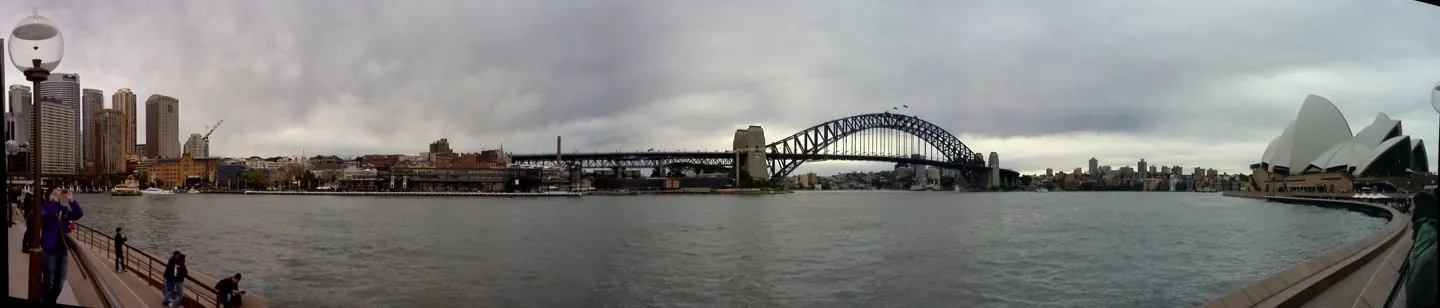
Sydney has outstanding hospitals, international flights, beaches and public transport but Australia’s highest housing costs. Newcastle, Wollongong and Central Coast communities offer access to major services with varying value. Bushfire and flood zones need review.
Melbourne and Victoria
Melbourne excels in specialist medicine, culture and transit. Winters are cool and weather changeable. Geelong offers a smaller coastal city with rail access; regional Victoria can be affordable but bushfire-prone and medically thinner.
Brisbane, Gold Coast and Sunshine Coast
South-east Queensland offers warm weather, airports and major hospitals. Brisbane is the service hub; the Gold Coast is urban and tourism-oriented; the Sunshine Coast is relaxed but increasingly expensive. Heat, humidity, floods and storms matter.
Adelaide
Adelaide is one of the strongest retirement choices: manageable scale, respected hospitals, wine regions, beaches and housing below Sydney levels. Summers can be extremely hot and surrounding hills face bushfire risk.
Perth
Perth delivers sunshine, beaches, modern medicine and spacious suburbs. It is geographically isolated from eastern Australia and overseas family routes can be long. Housing pressure, heat and bushfire risk are growing concerns.
Hobart and Tasmania
Tasmania offers cooler weather, scenery and a slower pace. Hobart housing is no longer cheap, specialist care can require mainland travel, and winter heating matters. Launceston is smaller with useful regional services.
Canberra and regional centers
Canberra is orderly, educated and medically well served but costly and cold in winter. Ballarat, Bendigo, Toowoomba and other inland centers provide services at lower prices, though cars and specialist travel become important.
Medicare, Private Insurance and Health Tests
Medicare eligibility depends on citizenship, permanent residence, specific visa applications and reciprocal-healthcare arrangements. A parent-visa applicant or bridging-visa holder should obtain an individual eligibility decision rather than relying on anecdotes.
Visitors require private health insurance. Older-age policies can be expensive, with waiting periods and exclusions. Ambulance is not automatically free nationwide; arrangements vary by state, residency and membership.
Migration health requirements assess costs and demand on Australian services. A serious condition can affect visa approval even when the applicant can privately fund care, although waivers exist in some categories. Parent applicants face the risk that health changes during a long queue alter the outcome.
Australian hospitals are excellent, but remote medicine depends on retrieval and long travel. Retirees should live within realistic access to tertiary care as needs increase.
Tax Residence, Pensions and Superannuation
Australia uses multiple residence tests rather than one simple 183-day rule. A person can become tax resident through ordinary residence, domicile and related facts. Residents generally report worldwide income; temporary-resident concessions may apply to qualifying visa holders but need advice.
Foreign pensions, U.S. Social Security, government-service pensions, annuities and withdrawals are treaty-sensitive. Currency conversion and deductible undeducted purchase price calculations can matter. U.S. citizens continue U.S. returns.
Australian superannuation is tax-advantaged domestically but foreign countries may classify it differently. Conversely, foreign IRAs and trusts may not retain their home-country treatment. Advice is essential before rolling over or withdrawing funds.
Property and Foreign-Buyer Rules
Foreign persons generally need approval before acquiring residential real estate. Policy favors new dwellings and development; established-dwelling purchases are restricted and depend on visa and use. Temporary residents may face sale obligations when leaving.
Application fees are significant, and states impose foreign-purchaser duty surcharges and land-tax surcharges. Permanent residents and citizens are treated differently. Approval is not a residence pathway.
Due diligence
- Confirm foreign-investment eligibility before signing.
- Make contracts conditional on required approval.
- Use an independent conveyancer or solicitor.
- Order building, pest and strata inspections.
- Review flood, bushfire, cyclone and coastal risks.
- Check strata minutes, defects and special levies.
- Model stamp duty, land tax, council rates and insurance.
- Coordinate ownership with estate and tax plans.
Aged Care and Aging in Place
Australia offers home-care packages, retirement villages, supported living and residential aged care. Government subsidies depend on eligibility and means testing. Temporary residents and visitors may face limited access or full private cost.
Retirement villages are not ordinary freehold purchases. Contracts can include entry prices, ongoing fees, deferred management fees, refurbishment obligations and exit delays. Obtain specialist legal and financial advice before signing.
Choose a step-free home near hospitals, public transport and family. Rural beauty can become isolating after driving stops. Powers of attorney, guardianship documents and advance-care directives are state-specific.
Banking, Driving and Daily Life
Banks request passport, visa, Australian address, tax numbers and source-of-funds information. Opening an account is easier after arrival, but products depend on status. Large property transfers require rigorous verification because conveyancing fraud occurs.
License transfer is state-based. Overseas licenses are valid only under each jurisdiction’s rules and for limited periods after permanent residence. Road distances, wildlife at dusk and fatigue make regional driving risky.
Australia is multicultural, informal and direct. Community connection often grows through volunteering, sports, libraries and clubs. Retirees joining children should intentionally build independent friendships rather than relying entirely on family.
Climate and Natural Hazards
Australia faces heat waves, bushfires, floods, cyclones and coastal erosion. Hazards vary dramatically by postcode. Insurance availability and premiums can reveal risks not obvious during inspection.
Check official flood and bushfire overlays, evacuation routes, building standards, cooling costs and smoke exposure. Northern areas face cyclones and humidity; southern cities face heat and fire; inland locations face extreme temperatures and distance.
A 12-Month Planning Sequence
- Months 12–10: Obtain a registered migration-law assessment before budgeting.
- Month 9: Confirm partner, parent, skilled or temporary pathway.
- Month 8: Model all visa charges, assurance of support and wait time.
- Month 7: Obtain Australian and home-country tax advice.
- Month 6: Price private health, ambulance and aged-care exposure.
- Month 5: Scout two cities during difficult weather.
- Month 4: Collect health, police, civil and family documents.
- Month 3: Build a bridging-visa and refusal contingency if relevant.
- Month 2: Arrange pets, medicines and banking evidence.
- Month 1: Recheck visa conditions before travel.
- First year: Rent, establish care and confirm tax residence.
- Before buying: Obtain foreign-investment approval and inspections.
- Long term: Review aged care, estate documents and family capacity.
Common Mistakes
- Searching for a retirement visa that is closed.
- Assuming a wealthy retiree can simply buy residency.
- Underestimating parent-visa queues and charges.
- Treating a bridging visa as permanent residence.
- Assuming Medicare begins automatically.
- Buying property before foreign-investment approval.
- Ignoring the migration health requirement.
- Moving rurally without specialist-care access.
- Transferring pensions without tax advice.
- Signing a retirement-village contract without exit-fee review.
Is Australia Right for You?
Australia is outstanding for retirees who already have citizenship, permanent residence or a credible partner or family pathway. Its healthcare, safety and aged-care infrastructure are among the best in the retirement-guide series.
It is not a practical choice for a pension-only retiree seeking an easy visa. Determine eligibility first. If no durable pathway exists, Australia may be better as a long seasonal visit within lawful visitor conditions.
Frequently Asked Questions
Does Australia have a retirement visa?
No general retirement visa is open to new applicants. The former Investor Retirement subclass 405 and Retirement subclass 410 are closed to new applications. Most prospective retirees need family, partner, skilled or another independent visa basis.
Can I retire in Australia by proving pension income?
Pension income and savings alone do not create visa eligibility. Australia does not offer a standard pensionado route. Financial capacity may help with health, assurance-of-support or family-visa requirements, but an eligible visa category is still required.
Can property purchase provide residency?
No. Buying Australian real estate does not grant a visa, permanent residence or citizenship. Foreign buyers also face federal approval rules, fees, taxes and restrictions that vary with visa status and property type.
What happened to the Investor Retirement visa?
Subclass 405 was closed to new applications. Existing legacy holders may have transitional pathways or renewal arrangements, but a new foreign retiree cannot simply apply under the old program. Never rely on an article describing it as currently open.
Can my adult child sponsor me?
Australian citizens, permanent residents or eligible New Zealand citizens who are settled may sponsor parents through qualifying parent-visa categories. Balance-of-family, health, character and assurance-of-support rules can apply. Queues are extremely long for many categories.
What is the contributory parent visa?
Contributory parent visas require much higher government charges than ordinary parent categories and can have shorter—but still substantial—queues. They are not fast or guaranteed. Medical costs, assurance of support and changing estimates require current professional advice.
What is the aged parent visa?
Certain parent categories can be applied for onshore only when the applicant meets the Australian aged-pension age definition and other conditions. A bridging visa may allow lawful stay during processing, but travel, Medicare, work and final-outcome risks require careful advice.
Is applying onshore for an aged parent visa safe?
It can create decades of uncertainty. A bridging visa is not permanent residence, travel may require a separate bridging visa, and health changes can affect the eventual decision. Applicants should understand visa conditions and what happens after refusal before choosing this strategy.
What is the balance-of-family test?
Many parent visas require at least half of the applicant’s eligible children to live permanently in Australia, or more eligible children in Australia than in any single other country. The test is technical and generally cannot be waived merely for hardship.
Can a partner visa provide residence?
A genuine spouse or de facto partner of an Australian citizen, permanent resident or eligible New Zealand citizen may qualify. Evidence must establish a continuing genuine relationship. Partner processing is expensive and scrutinized.
Can New Zealand citizens retire in Australia?
New Zealand citizens have special entry and residence arrangements, and reforms have improved citizenship pathways for many. Eligibility depends on citizenship, entry and character. New Zealand permanent residents who are not citizens do not automatically receive the same rights.
Can I spend retirement on visitor visas?
Visitors can make extended or repeated stays only within visa conditions. A visitor visa is temporary, may include no-further-stay conditions and does not guarantee repeated entry. It is unsuitable as a permanent-residence promise.
Can I work while retired?
Work rights depend entirely on visa conditions. Visitor and some bridging arrangements restrict work. Permanent residents generally have broad rights. Check the online visa record rather than assuming age or pension status decides.
When do I become an Australian tax resident?
Australia uses several tax-residence tests, including ordinary concepts of residence, domicile and day-count rules. Spending 183 days is not the only test. Immigration residence and tax residence are separate.
Does Australia tax foreign pensions?
Australian tax residents generally report worldwide income. Foreign Social Security, government pensions, private pensions, annuities and retirement-account withdrawals can receive different domestic and treaty treatment. U.S. Roth and superannuation interactions require specialist advice.
How is superannuation taxed for newcomers?
Australian superannuation has contribution, earnings, access and tax rules that differ from foreign retirement systems. Transferring foreign pension money can trigger tax and reporting issues in both countries. Do not transfer a retirement account without cross-border advice.
Does Australia have inheritance tax?
Australia has no general inheritance or estate tax, but death can trigger capital-gains, superannuation, trust and foreign-country consequences. Beneficiary status and tax residence matter. Estate planning remains essential.
Can foreign retirees access Medicare?
Australian citizens, permanent residents, certain applicants and people from reciprocal-healthcare countries may qualify under specific rules. Temporary visitors and bridging-visa holders should not assume access. Verify eligibility with Services Australia.
Does U.S. Medicare cover Australia?
Original U.S. Medicare generally does not cover routine care in Australia. Australia and the United States do not have a broad reciprocal healthcare agreement. U.S. retirees need private coverage until Australian eligibility is confirmed.
What is the Medicare levy?
Australian taxpayers may pay a Medicare levy and, at higher incomes without appropriate private hospital insurance, a Medicare Levy Surcharge. Entitlement exemptions and private coverage rules are separate. Tax advice is needed.
How much does retirement cost?
A couple may need roughly A$4,500–A$6,500 monthly in a smaller city, A$6,000–A$9,000 in a comfortable major-city lifestyle and much more in premium Sydney locations or with substantial private health and travel costs.
Which city is best for retirees?
Adelaide offers value and healthcare; Brisbane and the Sunshine Coast offer warmth; Melbourne has culture and medicine; Sydney provides unmatched services at high cost; Perth offers sunshine and space but isolation; Hobart is cooler and smaller.
Can foreigners buy homes?
Foreign persons generally need approval and face restrictions favoring new dwellings over established homes, with rules depending on residence status. Temporary residents may have limited established-dwelling options. States add stamp-duty surcharges and land taxes.
What is FIRB?
The Foreign Investment Review Board advises on foreign-investment applications administered under federal law. Buyers may need approval before acquisition and pay significant application fees. Penalties for unauthorized purchases can be severe.
How good is healthcare?
Australia has excellent public hospitals and specialists, but rural and remote access can be limited and waits exist for nonurgent public care. Private insurance can improve choice and timing. Ambulance coverage differs by state and is not universally free.
Can I bring prescription medicines?
Australia has strict border controls. Personal medicines generally need original packaging, prescription or doctor letter and quantity limits. Controlled drugs may need permits. Check the Therapeutic Goods Administration before travel.
Can I bring pets?
Australia has some of the world’s strictest biosecurity rules. Dogs and cats may require approved-country origin, microchip, rabies testing, import permit, treatments and quarantine at Mickleham. Planning can take many months.
Is Australia safe?
Violent crime is relatively low, but heat, bushfire, floods, surf, wildlife, road distances and scams require preparation. Climate hazards are location-specific. Follow state emergency services and local warnings.
Is Australia welcoming to LGBTQ+ retirees?
Same-sex marriage is legal and broad protections exist, with visible communities in major cities. Attitudes vary in smaller areas, but Australia is generally welcoming. Partner visas apply to qualifying same-sex relationships.
Can I age in place?
Australia has sophisticated home-care and residential aged-care systems, but access, means testing, fees, wait times and visa eligibility matter. Nonresidents may face full private cost. Choose an accessible community near hospitals before health declines.
Official and Practical Resources
- Department of Home Affairs
- Services Australia Medicare
- Australian Taxation Office
- Australian foreign-investment guidance
- Australian aged care
- Smartraveller
Explore More Retirement Guides
Compare Australia with other Investing Travels destinations:
Oceania
- Australia — you are here
Asia
Europe
Tags: Australia retirement, retire in Australia, retiring in Australia, moving to Australia, Australia expat guide, Australia retirement visa, parent visa Australia, Australian healthcare, Medicare Australia, Australia cost of living, Sydney retirement, Adelaide retirement, Australian property, retirement in Oceania, retirement abroad